

Emergency & Help
24/7 Emergency & General Advisory
🚨 24/7 Medical Emergency
Non-Emergency Advisory
10:00 AM – 6:00 PM, Mon–Sat
For appointments & general queries.
24/7 Emergency & General Advisory
🚨 24/7 Medical Emergency
Non-Emergency Advisory
10:00 AM – 6:00 PM, Mon–Sat
For appointments & general queries.
Explore diabetes reversal programs in Begusarai. Learn about proven strategies, lifestyle changes, and expert care to manage and potentially reverse type 2 diabetes.
The metabolic situation, particularly type 2, impacts millions across India. For managing this chronic ailment, many individuals in Begusarai seek effective strategies. Some are even looking for a path toward achieving remission from the concern.
In practical terms, this signifies attaining normal circulatory glucose concentrations without medication, often through substantial lifestyle adjustments. It represents a journey demanding dedication and expert guidance.
Living with this metabolic disorder can feel like a constant struggle. Exhausting can be the daily regimen involving diet, physical activity, and prescribed medicines. One might ponder why some individuals appear to navigate this better than others. Often, the key is found in a structured, evidence-based approach.
Achieving remission from the metabolic issue isn't magic; it's rooted in scientific principles. Type 2 of the issue develops when the body fails to use insulin effectively (a state known as insulin resistance, where cells do not respond properly to the hormone) or generates insufficient amounts of this hormone. This leads to high circulatory glucose concentrations.
The numbers don't lie.
This process focuses on improving the body's sensitivity to insulin and reducing its fat stores, particularly those surrounding the liver and pancreas. Naturally, with improved function in these organs, better regulation of glucose occurs.
Consider this analogy: imagine your body's cells as houses, and insulin as the key that permits glucose (energy) entry. With type 2 of the concern, either the cellular 'locks' become 'rusty' (signifying insulin resistance) or an inadequate supply of 'keys' exists (indicating insufficient insulin).
The process of remission aims to 'clean' those locks or ensure enough 'keys' are available.
For success, identifying appropriate support proves crucial. Several healthcare providers and wellness centres in Begusarai offer programs designed to assist people affected by this metabolic problem. These programs typically combine medical supervision with personalized lifestyle coaching.
A well-structured program aimed at achieving remission in Begusarai will usually include:
It is important to acknowledge that the commitment required is significant. It’s not a quick fix, but a sustainable lifestyle transformation.
Diet plays a vital role in managing and potentially achieving remission from type 2 of the situation. To reduce the intake of refined carbohydrates and processed foods, while simultaneously increasing the consumption of nutrient-dense, whole foods, is the objective.
Here's where it gets interesting.
Reducing carbohydrate consumption decreases circulatory glucose concentrations and the body's need for insulin. Forcing the body to use fat for energy, this approach proves reliable. The impact of carbohydrate restriction is highlighted by numerous studies, including research from the Indian Council of Medical Research (ICMR).
An emphasis should be placed on non-starchy vegetables, lean proteins, beneficial fats, and certain fruits. Envision meals rich in leafy greens, dal, lean meats or fish, nuts, and seeds. Sweetened beverages, white bread, and packaged snacks common in many Indian households should be avoided.
In appropriate portions, even wholesome foods require consumption. Regulation of glucose levels can also be aided by consistent meal timing. Intermittent fasting, when performed under medical guidance, is another strategy some individuals explore.
Physical activity is indispensable for improving metabolic health. More efficiently, the body uses glucose with exercise, which also lessens its resistance to insulin.
Excellent for cardiovascular health and glycemic management are activities such as brisk walking, cycling, or swimming. Aim for at least 150 minutes of moderate-intensity activity weekly.
Building muscle mass boosts metabolism. Incorporate weightlifting or bodyweight exercises a couple of times each week. This approach supports overall physical function.
Improved flexibility and reduced stress can be achieved through yoga and stretching, indirectly benefiting the management of the disorder. These practices are often integrated into holistic wellness programs.
It sounds simple. It rarely is.
Successfully achieving remission from this metabolic disorder involves more than just food and fitness. It requires a holistic shift in one's daily habits and mindset.
Elevated cortisol values, which can in turn raise glucose concentrations, are a result of chronic stress. Practices like mindfulness meditation, deep breathing exercises, or spending time in nature can be profoundly helpful. meaningful boosts to progress are often reported by successful individuals who find calm.
Aim for 7-9 hours of quality sleep per night. Disrupted hormone balance and worsened resistance to insulin can result from inadequate sleep. Establishing a regular sleep schedule is vital.
A supportive network of family, friends, or a support group makes the journey easier. Sharing experiences and challenges can provide motivation and accountability.
Living with this situation is truly challenging, and the path to remission requires immense personal effort. However, with the right program and unwavering commitment, achieving meaningful improvements is possible.
Consideration of the medical team's qualifications and the program's methodology is essential when choosing a program focused on achieving remission from the metabolic disorder. Look for programs that emphasize sustainable lifestyle changes rather than quick fixes.
In many cases, a program with a strong track record and positive patient testimonials will be a reliable choice. It is key to remember, the most impactful approach is one that one can sustain long-term.
Most people overlook this completely.
Though complete remission is not attainable for all, a considerable improvement in health markers and a reduced dependence on medication can be realized by many individuals with type 2 of the problem through dedicated lifestyle adjustments. Enhancing overall well-being and preventing complications constitutes the primary focus.
Achieving remission from the ailment is a testament to the power of informed choices and consistent effort.
Healthcare professionals often encounter individuals who were told the ailment was a life sentence, only to discover they could regain control. It’s a journey of empowerment and reclaiming one's health. One's commitment today builds a healthier tomorrow.
High in carbohydrates, rice, particularly white rice, can significantly elevate circulatory glucose concentrations. While small, controlled portions of brown or unpolished rice might be manageable for some, it's generally best to limit intake. Consulting a dietitian for personalized advice is crucial.
When glucose concentrations return to normal without medication, achieving remission from the concern is realized. However, it requires continuous effort in maintaining a healthy lifestyle. Should unhealthy habits recur, the concern may re-emerge. Therefore, long-term commitment is vital.
Most people overlook this completely.
Consistently lower circulatory glucose measurements (both fasting and post-meal), improved HbA1c values, increased energy, and weight loss are among the signs of potential remission from the problem. A reduced need for medicines for the metabolic disorder is also a key indicator. Always confirm these changes with your doctor.
Always consult a qualified physician before making medical decisions.Visit Hospital
Near You
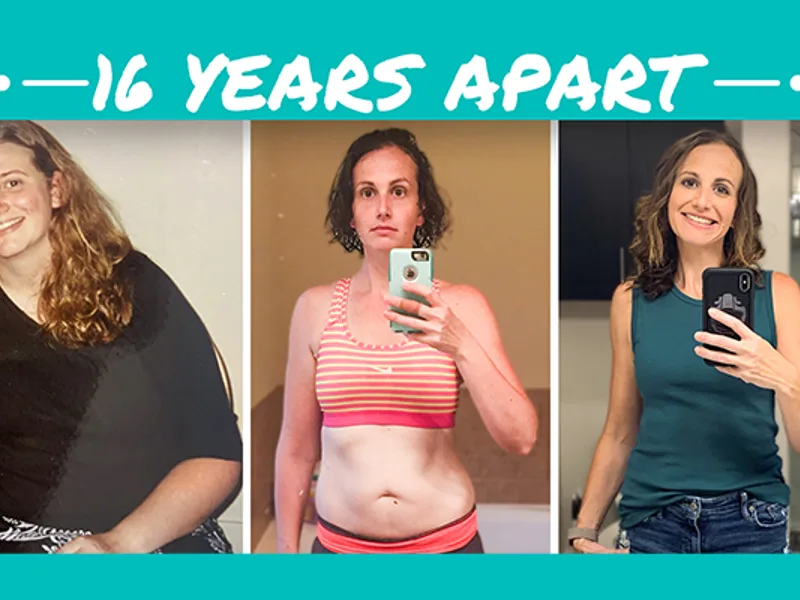
Does intermittent fasting weight loss actually last? A 2026 one-year follow-up study says yes — people who did just 12 weeks of time-restricted eating kept more weight off a full year later than those who got standard diet advice alone. But a separate Cochrane review of nearly 2,000 adults found int
July 23, 2026

A study of nearly 13,000 Brazilian adults found that people who consumed the most artificial sweeteners had noticeably faster memory and thinking decline over eight years than those who consumed the least. The effect was strongest in adults under 60 and in people with diabetes. Researchers stress th
July 23, 2026
Discover how to find a top nephrologist in Alipurduar. Expert advice on kidney care and choosing the right specialist for your health.
May 20, 2026