

Emergency & Help
24/7 Emergency & General Advisory
🚨 24/7 Medical Emergency
Non-Emergency Advisory
10:00 AM – 6:00 PM, Mon–Sat
For appointments & general queries.
24/7 Emergency & General Advisory
🚨 24/7 Medical Emergency
Non-Emergency Advisory
10:00 AM – 6:00 PM, Mon–Sat
For appointments & general queries.
Learn about Extracorporeal Shock Wave Lithotripsy (ESWL) for kidney stones in Supaul. Understand the procedure, benefits, and what to expect.
Kidney stones are a common yet painful condition affecting millions. These hard deposits form in your kidneys. They can cause severe discomfort when they move through your urinary tract.
Honestly, living with kidney stones can be debilitating. Thankfully, advanced medical solutions are available right here in Supaul. Extracorporporeal Shock Wave Lithotripsy, or ESWL, is a leading non-invasive therapy for breaking down these stones.
ESWL uses focused high-energy sound waves to shatter kidney stones into tiny fragments. These fragments are then small enough to pass out of the body naturally through urine. The reality is, this procedure avoids the need for invasive surgery.
Physicians often recommend ESWL for stones that are a certain size and location within the urinary system. It's a proven approach for many people affected by this situation.
ESWL offers several key advantages over traditional surgical methods. Practically speaking, its minimally invasive nature means less pain and a quicker recovery time. People often return to their daily activities within a few days.
This therapy is highly effective for stones up to 2 cm in diameter located in the kidney or upper ureter. The success rates are encouraging, often exceeding 80% in suitable candidates, according to various clinical studies.
Here's where it gets interesting.
Before the procedure, your physician will conduct a thorough evaluation. This includes imaging tests like X-rays or CT scans to pinpoint the stone's exact location and size. You will likely receive medication to manage pain and anxiety. During the treatment, you lie on a special table. A device called a lithotripter directs shock waves precisely to the stone.
You may feel a tapping sensation. The entire session usually lasts about 45 to 60 minutes. So what does this mean for you? It means a relatively comfortable experience designed for maximum stone-breaking impact.
Following ESWL, you'll be monitored for a short period. You can typically go home the same day. It's vital to drink plenty of fluids – at least 2-3 liters daily. This helps flush out the stone fragments.
You might experience some discomfort or see blood in your urine, which is normal. Your doctor will prescribe pain relievers if needed. They will also schedule follow-up appointments and imaging to ensure complete stone clearance. In many cases, passing the fragments can take a few days to a few weeks.
The numbers don't lie.
ESWL is not suitable for everyone with kidney stones. Ideal candidates usually have stones that are relatively small (less than 2 cm) and located in the kidney or the upper part of the ureter. The stones should also be visible on X-ray.
People with certain medical conditions, like bleeding disorders or severe obesity, may not be candidates. Pregnant women are also generally advised against ESWL. A specialist will determine if this approach is the best fit for your specific situation.
While ESWL is generally safe, some risks exist. These can include bleeding around the kidney, infection, or incomplete stone fragmentation. Sometimes, a stone fragment may block the urinary tract, requiring further intervention. But why does this happen?
It's usually due to the body's natural process of expelling these fragments. These complications are rare, and your medical team will take precautions to minimize them. The American Urological Association (AUA) provides guidelines for managing these potential issues.
That's the part worth remembering.
Supaul is equipped with modern healthcare facilities offering advanced treatments like ESWL. Several reputable hospitals and clinics in the region provide this service. These centers employ experienced urologists and use state-of-the-art lithotripsy machines.
Accessing this crucial therapy locally means less travel and more convenient care for residents. We often see patients benefit immensely from having these services readily available nearby.
Preventing kidney stones involves lifestyle changes. Maintaining adequate hydration is paramount. Drinking water throughout the day helps dilute urine, making stone formation less likely. Dietary adjustments can also play a role, depending on the type of stone.
For example, reducing sodium intake is often recommended. Your physician might suggest specific dietary guidelines based on your stone analysis. We understand that managing chronic conditions like kidney stones can be challenging. Early detection and appropriate management, like ESWL, can significantly improve your quality of life.
Selecting the right urologist is a vital step in your approach journey. Look for specialists with extensive experience in performing ESWL and managing kidney stone disease. Institutions like the All India Institute of Medical Sciences (AIIMS) set high standards for such specialized care.
That's the part worth remembering.
Don't hesitate to ask potential physicians about their success rates and their approach to patient care. A good doctor will explain all options clearly, empowering you to make informed decisions.
Research continues to refine lithotripsy techniques. Newer generations of machines offer greater precision and patient comfort. The World Health Organization (WHO) continuously monitors advancements in urological treatments globally.
This ensures that sufferers receive the most up-to-date and proven care available. The focus remains on providing safe, efficient, and minimally invasive solutions for people affected by kidney stones.
Disclaimer: This information is for educational purposes only and does not substitute professional medical advice. Always consult a qualified physician before making medical decisions.
The ESWL procedure itself takes about 45-60 minutes. However, the complete elimination of stone fragments from your body can take several days to a few weeks. Consistent hydration is key to aiding this process.
Most people experience minimal discomfort during ESWL, often described as a tapping sensation. Pain medication and sedation are typically used to ensure your comfort throughout the procedure.
Yes, you can usually resume your normal diet shortly after ESWL, but it's crucial to increase your fluid intake significantly. Your doctor might suggest specific dietary changes to help prevent future stone formation.
Most people overlook this completely.
ESWL is highly impactful, with success rates often exceeding 80% for suitable candidates, particularly for stones less than 2 cm. Factors like stone size, composition, and location influence the outcome.
Visit Hospital
Near You
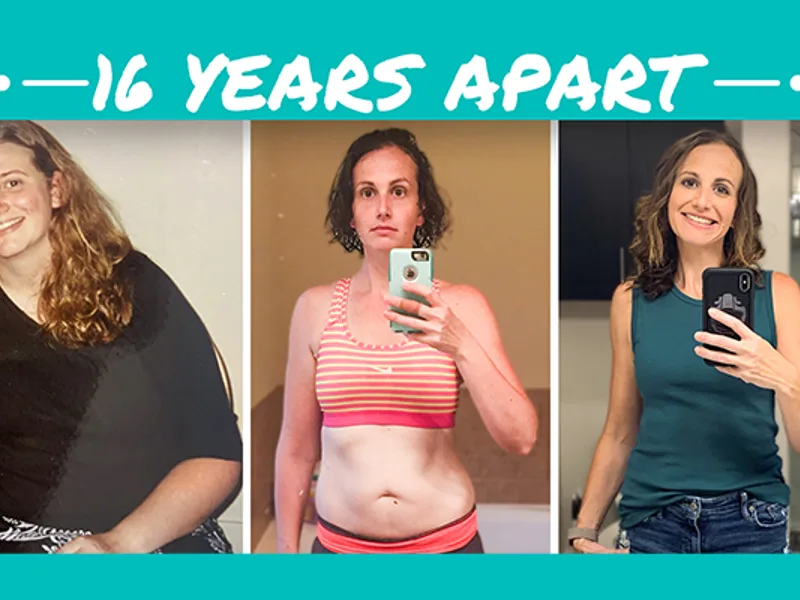
Does intermittent fasting weight loss actually last? A 2026 one-year follow-up study says yes — people who did just 12 weeks of time-restricted eating kept more weight off a full year later than those who got standard diet advice alone. But a separate Cochrane review of nearly 2,000 adults found int
July 23, 2026
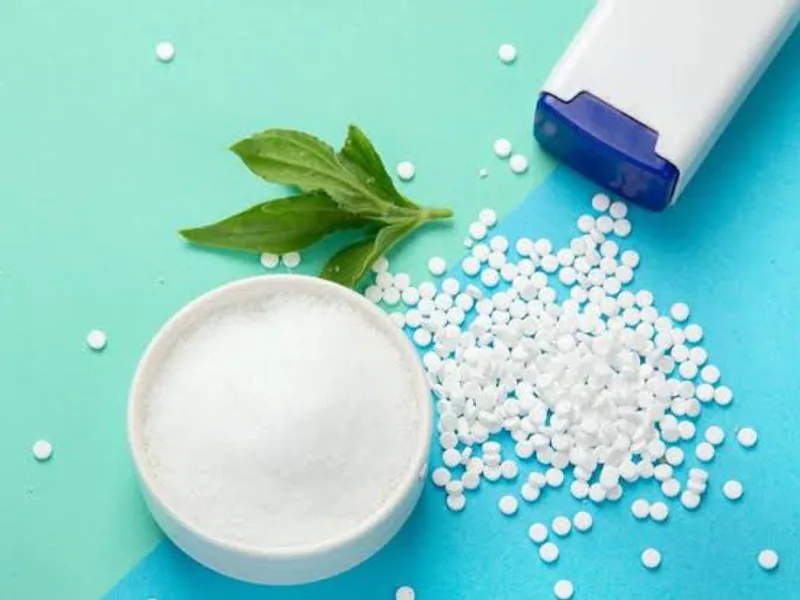
A study of nearly 13,000 Brazilian adults found that people who consumed the most artificial sweeteners had noticeably faster memory and thinking decline over eight years than those who consumed the least. The effect was strongest in adults under 60 and in people with diabetes. Researchers stress th
July 23, 2026
Discover how to find a top nephrologist in Alipurduar. Expert advice on kidney care and choosing the right specialist for your health.
May 20, 2026