

Emergency & Help
24/7 Emergency & General Advisory
🚨 24/7 Medical Emergency
Non-Emergency Advisory
10:00 AM – 6:00 PM, Mon–Sat
For appointments & general queries.
24/7 Emergency & General Advisory
🚨 24/7 Medical Emergency
Non-Emergency Advisory
10:00 AM – 6:00 PM, Mon–Sat
For appointments & general queries.
Discover how nutrition specialists in Gumla can guide you towards better health through personalized dietary plans and expert advice.
In our pursuit of holistic well-being, the role of a nutrition specialist has become increasingly vital. These healthcare professionals offer expert guidance on dietary choices, helping individuals achieve specific health goals or manage chronic conditions.
In Gumla, finding such a specialist means taking a significant step towards enhancing your health through informed eating habits.
What exactly does a nutrition specialist do? They assess your current dietary intake, lifestyle, and health status. Based on this evaluation, they create personalized nutrition plans.
These plans are designed to be practical and sustainable, aligning with your unique needs and preferences. Honestly, navigating the world of nutrition can be overwhelming with so much conflicting information available.
In real-world terms, a good nutrition specialist acts as your personal health architect. They don't just tell you what to eat; they educate you on the 'why' behind their recommendations.
This empowers you to make better food choices independently. For example, understanding the impact of glycemic index on blood sugar levels can fundamentally change how someone with diabetes approaches their meals.
Several indicators suggest that consulting a nutrition specialist is a wise decision. These range from general wellness goals to specific medical requirements.
Whether you aim for weight loss or gain, a specialist provides a structured and healthy approach. They focus on sustainable lifestyle changes rather than quick fixes. This ensures long-term success and improved overall health markers. What most people miss is that healthy weight management is a marathon, not a sprint.
Recovery is rarely linear.
For individuals dealing with conditions like diabetes (high blood sugar), hypertension (high blood pressure), or cardiovascular diseases, dietary management is crucial. The Indian Council of Medical Research (ICMR) emphasizes the marked impact of diet on managing these non-communicable diseases.
A specialist helps tailor a diet that complements medical therapy, potentially reducing medication reliance.
For instance, for someone with hypertension, a specialist might recommend a DASH (Dietary Approaches to Stop Hypertension) diet. This approach emphasizes fruits, vegetables, whole grains, and lean proteins while limiting sodium and saturated fats.
Such dietary adjustments are proven to lower blood pressure effectively. In many cases, dietary changes can significantly boost the effectiveness of prescribed medications.
Issues like Irritable Bowel Syndrome (IBS), bloating, or constipation can often be addressed through targeted nutritional therapy. Specialists can identify trigger foods and recommend gut-friendly alternatives. This is vital for improving nutrient absorption and overall gut function. Living with persistent digestive discomfort is genuinely hard.
Pregnancy, breastfeeding, childhood growth spurts, or athletic performance all require specific nutritional considerations. A specialist can ensure adequate intake of essential nutrients during these critical life stages. For athletes in Gumla, optimizing nutrition can directly translate to enhanced performance and faster recovery times.
Recovery is rarely linear.
Even without specific health issues, many people feel sluggish or lack energy. A nutrient-dense diet can significantly boost vitality. Specialists help identify potential deficiencies and recommend dietary improvements to enhance energy levels and mood.
Your initial consultation is a key step in your health journey. It's a collaborative process designed to understand you fully.
Identifying a qualified professional is paramount. Look for credentials that signify formal training and expertise.
A truly reliable nutrition plan must consider the local culinary landscape. In Gumla, traditional diets often include staples like rice, lentils (dal), various seasonal vegetables, and sometimes local fish or meat preparations. Understanding these familiar foods allows specialists to integrate them into a healthy eating framework.
For example, instead of completely eliminating rice, a specialist might advise on portion control and pairing it with high-fiber vegetables and lean protein sources. This makes the dietary changes feel less drastic and more adaptable to daily life. Mimicking the structure of a typical Indian meal – dal, sabzi, roti/rice – but optimizing the components is a common strategy.
What should you actually do? Integrate healthier versions of your favorite local dishes.
The World Health Organization (WHO) consistently highlights the importance of culturally appropriate dietary interventions. A plan that clashes with local food availability or preparation methods is unlikely to succeed.
The numbers don't lie.
A Gumla-based specialist will likely be adept at suggesting modifications to popular dishes like 'dhuska' or 'chhilka roti' to enhance their nutritional profile – perhaps by using whole grains or adding more vegetable fillings.
Different age groups and life stages have unique nutritional requirements.
Proper nutrition during childhood is fundamental for growth and development. Specialists can guide parents on ensuring adequate intake of proteins, vitamins, and minerals.
This is crucial for cognitive function and physical development. India faces marked challenges with malnutrition, with data from the National Family Health Survey (NFHS-5) indicating persistent issues with stunting and wasting among children.
Adolescence is a period of rapid growth, requiring increased energy and nutrient intake. Specialists aid address frequent concerns like iron deficiency anemia, particularly prevalent among adolescent girls. Ensuring adequate calcium intake is also vital for bone health during this phase.
As people age, their nutritional needs change. Metabolism slows down, and the risk of certain conditions increases. Geriatric nutrition focuses on maintaining muscle mass, bone density, and overall vitality. Specialists can enable older adults in Gumla manage dietary needs related to conditions like osteoporosis or decreased appetite.
That alone changes everything.
Nutrition and physical activity are two sides of the same coin for optimal health. A well-rounded approach combines a balanced diet with regular exercise.
For individuals aiming to build muscle, protein intake is crucial. For endurance athletes, carbohydrate replenishment is key.
A nutrition specialist can support fine-tune your diet to support your specific fitness goals. For example, post-workout nutrition is vital for muscle repair and glycogen replenishment, often involving a combination of protein and carbohydrates within a specific timeframe after exercise.
Exercise recommendations vary based on age and health status, aligning with guidelines from organizations like the American Heart Association (AHA). A specialist can aid you know how to fuel your body effectively before, during, and after workouts. This synergy ensures that your efforts in the gym yield the best possible results.
As awareness about preventive healthcare grows, the demand for expert nutrition services in Gumla is set to increase. Telehealth platforms are also making expert advice more accessible, bridging geographical gaps. This allows individuals to connect with specialists regardless of their location within Gumla or even beyond.
The focus is shifting towards personalized nutrition – using genetic information or gut microbiome analysis to tailor diets even further. While these advanced techniques may not be mainstream yet, the underlying principle of individualized care is paramount.
It sounds simple. It rarely is.
A skilled nutrition specialist provides this personalized touch, making health goals achievable and sustainable.
Embracing professional nutritional guidance is an investment in your long-term health. It empowers you with knowledge and practical strategies to live a healthier, more vibrant life. Remember, small, consistent changes often lead to the most notable transformations. You have the power to shape your health narrative.
Yes, people with diabetes can eat rice, but portion control and the type of rice are crucial. Opt for brown rice or other whole grains more often, as they have a lower glycemic index and more fiber. Pairing rice with protein and non-starchy vegetables helps manage blood sugar spikes.
A nutritionist helps create a sustainable calorie deficit through a balanced meal plan tailored to your preferences and lifestyle. They provide education on portion control, healthy food choices, and strategies to overcome cravings, ensuring gradual and healthy weight loss rather than rapid, unsustainable loss.
A dietitian (RD/RDN) is a legally recognized and regulated healthcare professional who has completed specific academic and practical training, often holding a degree in nutrition and dietetics. A nutritionist may have varying levels of education and is not always regulated; the term 'nutritionist' can be used more broadly.
It sounds simple. It rarely is.
The frequency of visits depends on your individual goals and health status. Initially, weekly or bi-weekly appointments might be beneficial for establishing habits and making adjustments. As you progress, monthly or quarterly check-ins can benefit maintain consistency and address any new challenges.
Visit Hospital
Near You
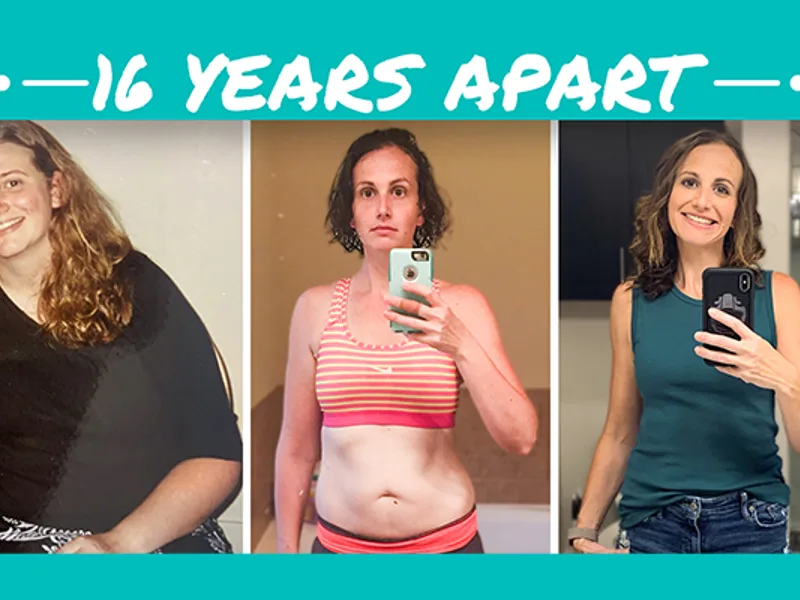
Does intermittent fasting weight loss actually last? A 2026 one-year follow-up study says yes — people who did just 12 weeks of time-restricted eating kept more weight off a full year later than those who got standard diet advice alone. But a separate Cochrane review of nearly 2,000 adults found int
July 23, 2026

A study of nearly 13,000 Brazilian adults found that people who consumed the most artificial sweeteners had noticeably faster memory and thinking decline over eight years than those who consumed the least. The effect was strongest in adults under 60 and in people with diabetes. Researchers stress th
July 23, 2026
Discover how to find a top nephrologist in Alipurduar. Expert advice on kidney care and choosing the right specialist for your health.
May 20, 2026