

Emergency & Help
24/7 Emergency & General Advisory
🚨 24/7 Medical Emergency
Non-Emergency Advisory
10:00 AM – 6:00 PM, Mon–Sat
For appointments & general queries.
24/7 Emergency & General Advisory
🚨 24/7 Medical Emergency
Non-Emergency Advisory
10:00 AM – 6:00 PM, Mon–Sat
For appointments & general queries.
Discover top eye care services in Lohardaga. Learn about advanced treatments, experienced specialists, and choosing the right clinic for optimal eye health.
Maintaining clear and healthy vision is crucial for overall well-being. In Lohardaga, finding the right eye clinic can seem challenging, but understanding what to look for makes the decision simpler. This guide aims to equip you with the knowledge to select a facility that offers excellent care, advanced treatments, and experienced specialists.
We often see people delaying essential eye check-ups. This is unfortunate, as early detection of eye conditions can prevent vision loss.
India faces a significant burden of visual impairment; the National Programme for Control of Blindness and Visual Impairment (NPCBVI) highlights the need for accessible and quality eye care services across the nation. Lohardaga, like many districts, requires dedicated centres offering comprehensive eye solutions.
The 'best' eye clinic is subjective, but certain factors consistently indicate high-quality care. These include the expertise of the ophthalmologists, the range of services offered, the technology available, and patient feedback. A reliable clinic prioritizes patient comfort and clear communication throughout the diagnostic and treatment process.
Is there a better way to ensure you're choosing wisely? Absolutely.
The cornerstone of any excellent medical facility is its team of physicians. For eye care, this means experienced ophthalmologists and optometrists.
These specialists possess the knowledge to diagnose and manage a wide spectrum of eye conditions, from common refractive errors to complex diseases like glaucoma and diabetic retinopathy. You'll notice that clinics with a strong team often have sub-specialists, such as retina specialists or paediatric ophthalmologists, allowing for highly focused care.
And yet, so many people miss it.
State-of-the-art diagnostic equipment is vital for accurate assessments. This includes advanced retinal cameras, optical coherence tomography (OCT) machines, and visual field analyzers.
These tools enable specialists to detect subtle changes in the eye that might indicate early-stage diseases. Worth knowing: The World Health Organization (WHO) emphasizes the role of technology in enhancing diagnostic accuracy and care outcomes globally.
A top-tier clinic provides a full spectrum of eye care. This typically includes routine eye examinations, prescription of glasses and contact lenses, diagnosis and management of eye diseases, and surgical procedures.
In many cases, clinics offering services like cataract surgery, LASIK, and therapy for retinal disorders are preferred for their ability to handle diverse patient needs under one roof.
Exceptional clinics focus on the patient's experience. This involves clear communication from staff, comfortable waiting areas, and follow-up care that ensures patients feel supported.
Living with vision issues is genuinely hard, and a compassionate approach makes a notable difference. Patient testimonials and reviews can offer valuable insights into a clinic's commitment to its people.
Understanding frequent eye ailments helps in recognizing when to seek professional help. Here's a look at prevalent conditions and the types of treatments you can expect to find at a leading eye clinic in Lohardaga:
That alone changes everything.
These are the most frequent vision problems. Myopia (nearsightedness) makes distant objects blurry. Hyperopia (farsightedness) causes near objects to appear fuzzy. Astigmatism results in distorted vision at all distances due to an irregularly shaped cornea. What should you actually do? Get regular eye exams.
intervention: The primary approach involves corrective lenses—eyeglasses or contact lenses. For those seeking a more permanent solution, refractive surgeries like LASIK (Laser-Assisted In Situ Keratomileusis) or PRK (Photorefractive Keratectomy) are often available. These procedures reshape the cornea to correct vision, offering a reliable way to reduce or eliminate dependence on glasses. The Indian Journal of Ophthalmology frequently publishes research on the efficacy and safety of these surgical techniques.
A cataract is a clouding of the eye's natural lens, leading to progressively blurred vision. It's a leading cause of reversible blindness worldwide. In India, cataracts affect a considerable portion of the elderly population. The Indian Council of Medical Research (ICMR) supports initiatives for cataract detection and intervention.
care: The only effective therapy for cataracts is surgery. This involves removing the clouded lens and replacing it with an artificial intraocular lens (IOL). Modern cataract surgery is a minimally invasive procedure, often performed on an outpatient basis. The success rates are exceptionally high, with most individuals experiencing meaningful vision improvement. Many clinics in Lohardaga offer advanced phacoemulsification techniques, which use ultrasound to break up the cataract.
Glaucoma is a group of eye diseases that damage the optic nerve, often associated with high intraocular pressure (IOP). This damage can lead to irreversible vision loss and blindness if left untreated. Early detection is key, as symptoms may not appear until notable optic nerve damage has occurred.
approach: While glaucoma cannot be cured, its progression can be managed. Therapy typically involves prescription eye drops to lower IOP. Laser therapy and minimally invasive glaucoma surgery (MIGS) are also advanced options. Specialists focus on preserving existing vision and preventing further damage. Adherence to the prescribed approach plan is vital for long-term eye health.
This is a complication of diabetes that affects the blood vessels in the retina. High blood sugar levels over time can damage these vessels, leading to leakage, swelling, and abnormal blood vessel growth.
Most people overlook this completely.
Diabetic retinopathy is a major cause of blindness among working-age adults in India. According to the International Diabetes Federation (IDF), India has 77 million diabetics (2023), highlighting the immense need for screening and care.
approach: Management involves strict control of blood sugar, blood pressure, and cholesterol levels. For more advanced cases, treatments like laser photocoagulation (to seal leaking blood vessels) or intravitreal injections (medication injected into the eye) are employed. Regular retinal screenings are crucial for all individuals with diabetes.
This condition occurs when the eyes do not produce enough tears or the tears evaporate too quickly, leading to discomfort, burning, and blurred vision. Environmental factors, age, and certain medical conditions can contribute. You'll notice that this is a frequent complaint, especially in urban or dry climates.
therapy: Approaches include artificial tears (lubricating eye drops), prescription eye drops, punctal plugs (to block tear drainage), and lifestyle modifications. Specialists may recommend specific formulations or procedures based on the severity.
When you visit or call prospective eye clinics in Lohardaga, consider asking these questions:
Here's the thing — transparency about services and qualifications builds trust. Don't hesitate to inquire about costs, insurance coverage, and appointment scheduling flexibility.
Personal accounts can be incredibly revealing. Many those affected share their positive experiences with clinics that offered clear explanations, gentle care, and successful outcomes. For instance, a patient undergoing cataract surgery might share how the surgeon’s reassurance and the clinic’s efficient process significantly eased their anxiety.
Conversely, negative feedback often points to issues like long waiting times, poor communication, or inadequate follow-up. We encourage you to look for reviews that detail the specific journey of those affected with similar eye concerns to yours.
That's the part worth remembering.
Regular eye examinations are not just for those experiencing vision problems. They are a vital part of preventive healthcare. Many serious eye diseases, such as glaucoma and age-related macular degeneration (AMD), develop gradually without noticeable warning signs in their early stages.
Early detection, often during a routine screening, can mean the difference between preserving sight and experiencing permanent vision loss. The American Academy of Ophthalmology recommends comprehensive eye exams at regular intervals, tailored to age and risk factors.
For adults without known eye problems, a baseline eye exam around age 40 is recommended. After that, frequency depends on danger factors like family history, diabetes, or high blood pressure. For children, regular checks are crucial for development.
Vision issues can impact learning and development significantly. India's Ranganathan Committee recommendations also underscore the need for periodic eye screening for school children.
Finding the best eye clinic in Lohardaga involves looking beyond just proximity. Prioritize expertise, technology, and a commitment to patient well-being. Your vision is precious; invest in its care wisely.
That alone changes everything.
Yes, in many cases. Several types of contact lenses are designed specifically for dry eyes, such as daily disposable lenses or those made with advanced silicone hydrogel materials. Your eye specialist can recommend the best option after an examination.
If you have no known eye problems, adults typically need an eye exam every 1-2 years. Individuals with diabetes, a family history of eye disease, or those taking certain medications may require more frequent check-ups, as advised by their doctor.
Sudden vision loss, flashes of light, floaters, severe eye pain, redness, or discharge can indicate a serious issue requiring immediate medical attention. Do not delay seeking benefit if you experience any of these alarming manifestations.
Modern cataract surgery is performed under local anaesthesia and is generally painless. You might feel some pressure, but marked discomfort is rare. Post-operative care focuses on managing minor irritation and ensuring proper healing.
This is where most those affected struggle.
Always consult a qualified physician before making medical decisions.
Visit Hospital
Near You
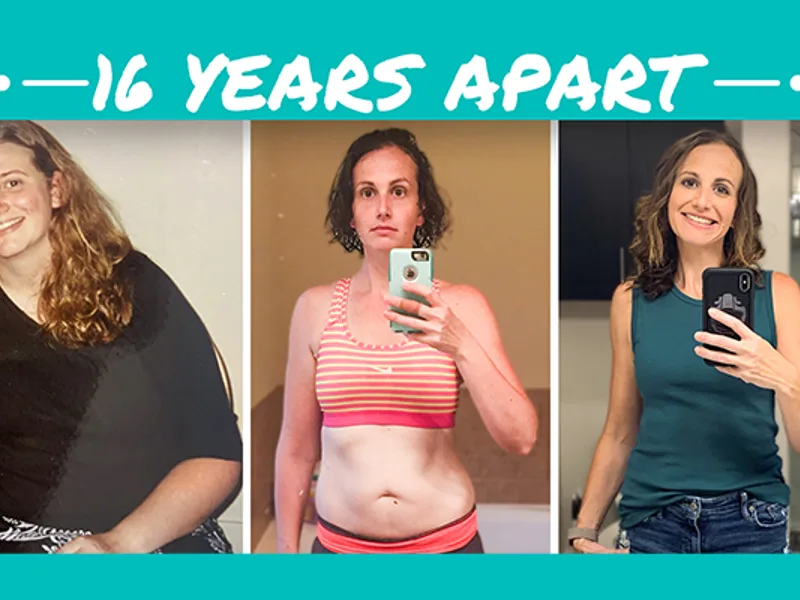
Does intermittent fasting weight loss actually last? A 2026 one-year follow-up study says yes — people who did just 12 weeks of time-restricted eating kept more weight off a full year later than those who got standard diet advice alone. But a separate Cochrane review of nearly 2,000 adults found int
July 23, 2026

A study of nearly 13,000 Brazilian adults found that people who consumed the most artificial sweeteners had noticeably faster memory and thinking decline over eight years than those who consumed the least. The effect was strongest in adults under 60 and in people with diabetes. Researchers stress th
July 23, 2026
Discover how to find a top nephrologist in Alipurduar. Expert advice on kidney care and choosing the right specialist for your health.
May 20, 2026