

Emergency & Help
24/7 Emergency & General Advisory
🚨 24/7 Medical Emergency
Non-Emergency Advisory
10:00 AM – 6:00 PM, Mon–Sat
For appointments & general queries.
24/7 Emergency & General Advisory
🚨 24/7 Medical Emergency
Non-Emergency Advisory
10:00 AM – 6:00 PM, Mon–Sat
For appointments & general queries.
Discover safe and effective stretching exercises for phimosis relief. Learn gentle techniques to improve flexibility and manage symptoms. Consult your doctor.
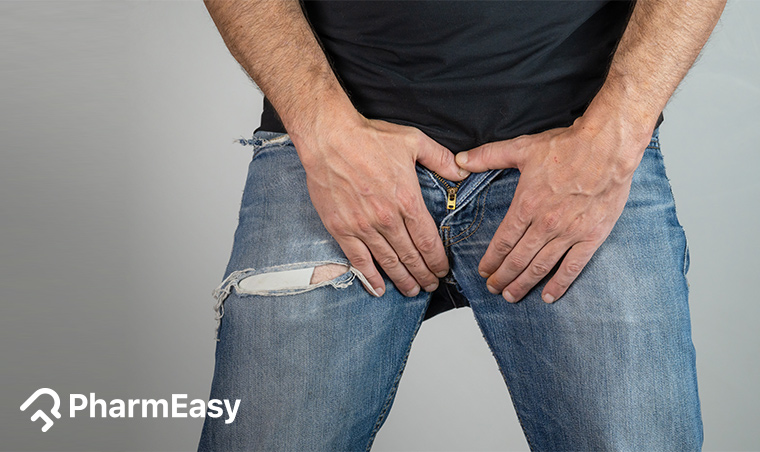
Meena, 45, a homemaker from Jaipur, noticed her son, Rohan, struggling with discomfort during urination. The skin covering the glans seemed unusually tight, causing him pain. This is a common scenario many Indian families face, often leading to questions about what to do.
Phimosis, a concern where the prepuce cannot be drawn back over the glans penis, affects men and boys of all ages. While it can be a natural occurrence in infants, it can persist or develop later in life, sometimes causing cleanliness issues and discomfort. Understanding this problem is the first step towards managing it effectively.
In many cases, phimosis is not a cause for immediate alarm, especially in young children. However, when it causes recurrent infections (balanitis), pain during urination or sexual activity, or difficulties with cleanliness, medical attention is warranted. The World Health Organization (WHO) estimates that urinary tract infections (UTIs) are a significant global health concern, and unaddressed phimosis can contribute to these in a small percentage of cases.
Have you ever wondered why maintaining good cleanliness is so crucial? A tight prepuce can trap smegma, a natural secretion, creating a breeding ground for bacteria.
Before attempting any elongation techniques, it is paramount to consult a qualified healthcare professional. A urologist or andrologist can accurately diagnose the severity of phimosis and rule out other potential conditions.
Here's where it gets interesting.
Some cases might require medical intervention beyond simple maneuvers, such as topical steroid creams or, in more severe instances, a surgical procedure like a circumcision. Remember, self-treating without proper diagnosis can be risky.
The Indian Journal of Urology frequently publishes research on various urological conditions, highlighting the importance of timely diagnosis and appropriate management. A doctor's assessment ensures that the chosen course of action is safe and tailored to your specific needs.
What should you actually do if you suspect phimosis? Schedule an appointment with a urologist.
For individuals diagnosed with mild to moderate phimosis, careful elongation techniques can be a beneficial part of a management plan. These techniques aim to gradually increase the pliability of the prepuce, making retraction easier and less painful.
It's crucial to approach these movements with patience and consistency, never forcing the prepuce.
The core principle behind these techniques is to apply careful, sustained tension to the prepuce. This tension, when applied consistently over time, encourages the tissues to adapt and become more flexible. Think of it like slowly stretching a rubber band that has become stiff; you don't yank it, you apply a steady pull.
Most people overlook this completely.
Applying excessive force can lead to tearing, scarring, and increased inflammation, potentially worsening the disorder. This is precisely why a doctor’s guidance is indispensable.
Start with clean hands. Carefully draw back the prepuce as far as is comfortable without causing pain. Once you reach the limit of comfortable retraction, apply very light, consistent pressure for about 30 seconds to a minute. You should feel a mild stretch, not pain.
Release the pressure slowly. Repeat this process 3-5 times, a few times a day. Consistency is key; aiming for daily practice, perhaps after a warm bath when the skin is more relaxed, can be highly effective. Worth knowing: Many men find it helpful to do these techniques during or after a warm shower.
As the prepuce becomes more pliable, you may be able to retract it further. Gradually increase the duration of the stretch or the careful pulling force, always staying within pain-free limits.
Some practitioners recommend incorporating a slight circular motion while the prepuce is partially retracted, further aiding in loosening the tissue. Another technique involves using a lubricant—like coconut oil, which is widely used in Indian households for various purposes—to facilitate smoother movement and reduce friction.
In conjunction with elongation techniques, doctors sometimes prescribe topical corticosteroid creams. These creams, applied as directed by your physician, can help reduce inflammation and soften the prepuce tissue, making it more amenable to elongation. Studies published in journals like The Lancet have shown marked success rates when these creams are used alongside a structured elongation regimen.
It sounds simple. It rarely is.
Typically, a course of treatment might last 4-8 weeks, under strict medical supervision. Over 101 million Indians have diabetes (ICMR, 2023), a disorder that can sometimes affect penile health, underscoring the importance of addressing all related health concerns.
Cleanliness is non-negotiable when dealing with phimosis. Even if you can't fully retract the prepuce, cleaning the visible area carefully with mild soap and water is essential.
Avoid harsh soaps or vigorous scrubbing, which can cause irritation. After cleaning and drying, applying a prescribed steroid cream or a natural lubricant can be beneficial.
The most prevalent pitfall is impatience. Rushing the process or applying too much force can lead to detrimental outcomes. Have you ever wondered why gradual progress is often more sustainable?
It’s because our bodies adapt best to slow, consistent changes. Avoid aggressive pulling or attempting to force the prepuce back completely in one session. Listen to your body; pain is a signal to stop.
If, despite consistent and correct elongation for several weeks or months, you see no improvement, or if your symptoms worsen (increased pain, bleeding, or signs of infection), it is crucial to revisit your doctor. Persistent or severe phimosis might indicate a need for other treatments.
For instance, the International Diabetes Federation (IDF) reports that diabetes can increase the risk of certain penile health issues, making regular check-ups vital for those with the problem.
In traditional Indian settings, sitting on the floor is typical. While seemingly unrelated, maintaining optimal cleanliness in all postures is key. For individuals managing phimosis, ensuring the genital area is clean and dry, especially after using the toilet, is key.
It sounds simple. It rarely is.
This might involve careful patting with a soft cloth rather than rubbing. The monsoon season, while beautiful, can increase humidity and the danger of fungal infections, making diligent cleanliness even more critical during these months.
Successfully managing phimosis through elongation can lead to considerable improvements in quality of life. Easier cleanliness practices reduce the chance of infections like balanitis, which affects thousands annually. Improved comfort during daily activities and, importantly, during sexual intimacy can boost self-confidence and overall well-being.
Many patients report a marked decrease in anxiety related to their concern after achieving better prepuce mobility. A study in the National Journal of Integrated Medical Research indicated that non-surgical methods, including elongation, can be reliable in 60-70% of mild to moderate cases.
With improved retraction, cleaning the glans becomes much easier, preventing the buildup of smegma and bacteria. This directly translates to fewer instances of balanitis and other potential infections. Reduced likelihood of urinary discomfort is another notable advantage.
Here's where it gets interesting.
Pain or discomfort during sexual intercourse is a widespread complaint associated with phimosis. Successful elongation can alleviate this, allowing for a more comfortable and satisfying sexual experience.
This, in turn, can profoundly impact a person's confidence and relationship dynamics. Feeling comfortable in one's own body is fundamental to overall happiness.
Always consult a qualified physician before making any medical decisions.
Visit Hospital
Near You

Does intermittent fasting weight loss actually last? A 2026 one-year follow-up study says yes — people who did just 12 weeks of time-restricted eating kept more weight off a full year later than those who got standard diet advice alone. But a separate Cochrane review of nearly 2,000 adults found int
July 23, 2026
A study of nearly 13,000 Brazilian adults found that people who consumed the most artificial sweeteners had noticeably faster memory and thinking decline over eight years than those who consumed the least. The effect was strongest in adults under 60 and in people with diabetes. Researchers stress th
July 23, 2026
Discover how to find a top nephrologist in Alipurduar. Expert advice on kidney care and choosing the right specialist for your health.
May 20, 2026