

Emergency & Help
24/7 Emergency & General Advisory
🚨 24/7 Medical Emergency
Non-Emergency Advisory
10:00 AM – 6:00 PM, Mon–Sat
For appointments & general queries.
24/7 Emergency & General Advisory
🚨 24/7 Medical Emergency
Non-Emergency Advisory
10:00 AM – 6:00 PM, Mon–Sat
For appointments & general queries.
Learn about hernia surgery options, costs, and recovery in Saharsa. Find experienced surgeons and hospitals for your treatment.
A hernia occurs when an organ pushes through an opening in the muscle or tissue that holds it in place. This can cause a bulge and discomfort. For people in Saharsa experiencing this condition, understanding the available surgical options is vital. We often see patients who have lived with the discomfort for too long.
Honestly, the decision for surgery can feel daunting. Many of us have questions about the procedure, recovery, and cost. This guide aims to provide clear, reliable information about hernia surgery options available right here in Saharsa, drawing on established medical practices.
Hernias can develop in various parts of the body, most commonly in the abdomen. Common types include inguinal (groin), umbilical (belly button), and incisional (at a surgical scar site) hernias. These occur due to a weakness in the abdominal wall, often exacerbated by straining, heavy lifting, or chronic coughing.
Signs and symptoms can range from a visible bulge to pain or a feeling of heaviness. In some cases, hernias might not cause significant issues initially. However, the risk of complications like strangulation (where blood supply to the trapped organ is cut off) or incarceration (where the bulge cannot be pushed back in) makes surgical repair crucial. In real-world terms, ignoring a hernia can lead to serious health emergencies.
So what does that mean for you? It means timely intervention is key to preventing worse outcomes and restoring quality of life.
Hernia repair surgery aims to push the protruding tissue back into place and strengthen the weakened abdominal wall. Two primary surgical approaches are widely used:
This traditional method involves a single, larger incision directly over the hernia. The surgeon repairs the defect, often using sutures or a mesh to reinforce the weakened area. Open surgery is a proven technique, especially for certain complex hernias or when a patient has had previous abdominal surgeries.
This is where most people struggle.
Practically speaking, this approach uses smaller incisions. Thin, lighted tubes with a camera (laparoscope) are inserted through these tiny cuts.
The surgeon uses specialized instruments and a video monitor to perform the repair from the inside. Laparoscopic surgery often leads to less post-operative pain and a quicker return to daily activities for many people.
You'll notice that the choice between open and laparoscopic surgery depends on several factors. These include the type and size of the hernia, the patient's overall health, and the surgeon's expertise. Your specialist in Saharsa will discuss the best option for your specific situation.
Choosing the right physician is paramount for successful hernia repair. Saharsa has skilled general surgeons and specialists experienced in various hernia repair techniques. Look for surgeons affiliated with reputable hospitals or clinics. Key qualifications include:
When consulting with a potential surgeon, don't hesitate to ask questions. Discuss the risks, benefits, expected recovery time, and the specific technique they recommend. A good doctor will explain everything clearly, ensuring you feel informed and comfortable.
And yet, so many people miss it.
Before surgery, you'll undergo a pre-operative assessment. This typically includes blood tests, an ECG, and a physical examination. It's essential to inform your doctor about all medications you are taking and any allergies.
On the day of surgery, you'll receive anesthesia. The type of anesthesia (general, spinal, or local with sedation) depends on the surgical approach and your health status. The operation itself usually takes between 1 to 2 hours. Post-surgery, you'll be monitored in a recovery room until you are stable.
Is there a better way to prepare? Following your surgeon's pre-operative instructions meticulously is the best approach.
Recovery times vary, but most people can return to light activities within a week or two after laparoscopic surgery. Open surgery might require a slightly longer recovery period, perhaps 4-6 weeks before resuming strenuous activities. Living with post-surgical discomfort is genuinely hard, but manageable.
Key aspects of recovery include:
In real-world terms, adhering to these guidelines significantly boosts your chances of a smooth and complete recovery. It’s like tending to a new plant; gentle care leads to strong growth.
The cost of hernia surgery in Saharsa can vary based on several factors. These include the type of surgery (open vs. laparoscopic), the hospital or clinic chosen, the surgeon's fees, and the complexity of the hernia. Mesh implants, if used, also contribute to the overall expense.
Recovery is rarely linear.
Honestly, obtaining a clear cost estimate upfront is advisable. Discuss potential costs with the hospital's administrative or billing department. Many healthcare providers offer payment plans or accept insurance to make the treatment more accessible.
You'll notice that understanding your insurance coverage is crucial. Check with your provider about what is covered for hernia repair. This proactive step can prevent unexpected financial burdens.
When seeking care in Saharsa, select a facility known for its surgical expertise and patient care standards. Look for hospitals equipped with modern surgical technology and staffed by experienced medical professionals. Patient reviews and hospital accreditations can offer valuable insights into the quality of care provided.
A well-equipped facility ensures that all necessary resources are available for a safe procedure and effective recovery. This includes having access to post-operative care and rehabilitation services if needed.
Successfully recovering from hernia surgery is the first step towards a healthier life. Maintaining a healthy weight, eating a balanced diet, and avoiding activities that strain the abdominal muscles are vital for long-term well-being. Regular, moderate exercise, as approved by your physician, can help strengthen your core muscles.
The numbers don't lie.
Practically speaking, adopting healthy habits reinforces the surgical repair and reduces the danger of recurrence. It’s about building a stronger foundation for your health moving forward.
Always consult a qualified physician before making medical decisions.
No, you should not resume your normal diet immediately. Start with clear liquids and gradually progress to soft, easily digestible foods. Your doctor will provide specific dietary guidelines based on your recovery progress.
This depends on the type of surgery and the physical demands of your job. For laparoscopic surgery and desk jobs, you might return in 1-2 weeks. For open surgery or physically demanding work, it could be 4-6 weeks or longer.
While recurrence is possible, modern surgical techniques and mesh use have significantly reduced the possibility. Following post-operative care instructions and maintaining a healthy lifestyle further minimizes the chances of the hernia returning.
You will experience some discomfort after surgery, but it is manageable with prescribed pain medication. Laparoscopic surgery generally involves less pain compared to open surgery. Your medical team will ensure your comfort throughout the recovery process.
The numbers don't lie.
Visit Hospital
Near You
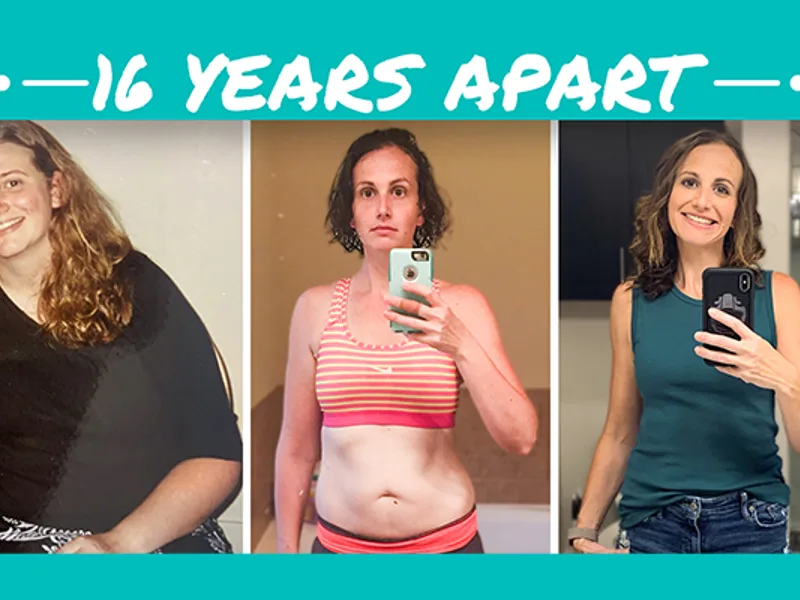
Does intermittent fasting weight loss actually last? A 2026 one-year follow-up study says yes — people who did just 12 weeks of time-restricted eating kept more weight off a full year later than those who got standard diet advice alone. But a separate Cochrane review of nearly 2,000 adults found int
July 23, 2026

A study of nearly 13,000 Brazilian adults found that people who consumed the most artificial sweeteners had noticeably faster memory and thinking decline over eight years than those who consumed the least. The effect was strongest in adults under 60 and in people with diabetes. Researchers stress th
July 23, 2026
Discover how to find a top nephrologist in Alipurduar. Expert advice on kidney care and choosing the right specialist for your health.
May 20, 2026