

Emergency & Help
24/7 Emergency & General Advisory
🚨 24/7 Medical Emergency
Non-Emergency Advisory
10:00 AM – 6:00 PM, Mon–Sat
For appointments & general queries.
24/7 Emergency & General Advisory
🚨 24/7 Medical Emergency
Non-Emergency Advisory
10:00 AM – 6:00 PM, Mon–Sat
For appointments & general queries.
Learn about hernia surgery in Simdega. Understand types, procedures, costs, and recovery with expert insights.
A hernia, characterized by an organ or fatty tissue pushing through a compromised area in a surrounding muscle or connective tissue (known as fascia), represents a common medical issue. Analogously, this condition resembles a weak point in a tire that permits the inner tube to protrude.
Across India, including Simdega, these protrusions are a frequent health concern, and an operative procedure often provides the most dependable method for correction. Healthcare providers frequently encounter individuals presenting with diverse forms of these conditions, each necessitating a tailored therapeutic strategy.
This ailment can cause significant discomfort and, if left unaddressed, may lead to serious complications. Identifying the specific type and severity of such a bulge is the crucial initial step.
Many individuals delay seeking medical attention, which can result in more complex operative needs later on. Therefore, early intervention can simplify the process and enhance recovery outcomes.
Several types of these conditions commonly necessitate operative intervention. Understanding these differences is vital for patients seeking appropriate care in the region.
These are the most frequent type, occurring when tissue bulges through a weak spot in the abdominal muscles within the groin area. Inguinal defects affect men more often than women.
Symptoms typically include a visible lump in the groin that may disappear when lying down, accompanied by pain or discomfort, especially when coughing, straining, or lifting heavy objects.
Less widespread than inguinal defects, femoral protrusions also occur in the groin but are more prevalent in women. They arise from a weakness in the femoral canal, a passageway for the femoral artery and vein. A bulge may be present, and strangulation (where blood supply is cut off) poses a serious risk.
These present as a bulge near the belly button (navel). They are typical in infants but can also affect adults, often due to increased abdominal pressure from obesity, pregnancy, or persistent coughing. While small umbilical defects in infants may close on their own, adult umbilical protrusions usually require a corrective procedure.
It sounds simple. It rarely is.
An incisional defect can develop at the site of a previous operative incision. Weakness in the abdominal wall at the incision site allows tissue to protrude. This is a frequent complication after abdominal operations, and the possibility increases with factors like infection at the incision site or obesity.
Unlike other bulges that cause external lumps, a hiatal defect occurs when the upper part of the stomach pushes through the diaphragm (the muscle separating the abdomen and chest) into the chest cavity. This can lead to heartburn and regurgitation, and sometimes requires an operative correction.
Physicians in Simdega offer several operative techniques to address these conditions. The choice of approach depends on the defect's type, size, location, and the patient's overall health. The goal is always to achieve a durable correction and minimize recovery time.
This traditional method involves a single, larger incision directly over the affected area. The surgeon pushes the protruding tissue back into place and then mends the weakened muscle wall. Often, a synthetic mesh is used to reinforce the compromised area, providing a strong foundation.
Most people overlook this completely.
Open intervention is a proven and reliable approach, particularly for larger or more complex defects. Successful outcomes using this method have been observed for decades.
Also known as keyhole intervention, this minimally invasive technique uses small incisions and a laparoscope (a thin tube with a camera). The surgeon inserts instruments through these small cuts. A camera guides the surgeon, allowing for precise correction, often with mesh reinforcement.
Laparoscopic intervention typically results in less pain, smaller scars, and a quicker return to daily activities compared to open methods. The smaller incisions and less disruption to surrounding tissues contribute to faster healing.
Benefits of Laparoscopic Approach:
Selecting the appropriate surgeon is a crucial step in ensuring a successful protrusion correction. Specialists in the region with experience in general operations and specifically in abdominal wall reconstruction are best equipped to handle these procedures.
Look for physicians who are affiliated with reputable hospitals and have a good track record. Patient testimonials and consultations can provide valuable insights into a specialist's expertise and approach.
The numbers don't lie.
In practical terms, a skilled surgeon can significantly impact the success of the operation and the speed of recovery. people should not hesitate to ask potential surgeons about their experience with their specific type of defect and their preferred operative techniques. Understanding qualifications and approach fosters trust.
Before any intervention, people undergo a thorough medical evaluation. This includes discussing medical history, current medications, and any allergies with their physician. Blood tests, an electrocardiogram (ECG), and possibly other diagnostic imaging might be ordered to assess fitness for the procedure.
On the day of the operation, anaesthesia (general, spinal, or local, depending on the procedure and patient health) will be administered. The surgeon will then perform the correction using either the open or laparoscopic method. The duration of the operation varies but typically ranges from 30 minutes to 2 hours.
After the procedure, individuals will be monitored in a recovery room as the anaesthesia wears off. Most such procedures, especially laparoscopic ones, allow for same-day discharge, though some individuals may require an overnight hospital stay.
That alone changes everything.
Recovering from a protrusion correction is a gradual process. Following the surgeon's post-operative instructions is vital for optimal healing and preventing complications. Pain medication will be prescribed to manage discomfort.
those affected will be advised to rest and avoid strenuous activities, heavy lifting, and excessive bending or straining for several weeks. The exact duration depends on the type of intervention and individual healing capacity.
Light activities like walking are encouraged soon after the procedure to promote circulation and prevent blood clots. people typically have a follow-up appointment with their surgeon within a week or two to check on healing progress.
The recovery period requires patience and adherence to medical advice. Many find that incorporating gentle exercises, as recommended by the physician, speeds up the return to normal life.
Tips for a Smooth Recovery:
The cost of a protrusion correction in Simdega can vary significantly based on several factors. These include the type of defect, the operative approach (open vs.
laparoscopic), the hospital or clinic chosen, the surgeon's fees, and whether a mesh is used. Generally, laparoscopic procedures might have a higher initial cost due to specialized equipment, but they can sometimes lead to lower overall costs due to shorter hospital stays and quicker recovery.
It sounds simple. It rarely is.
5 lakh or more. In this region, specific costs will be detailed during consultation.
Many health insurance plans cover protrusion procedures, especially when deemed medically necessary. It is advisable to check with your insurance provider and the hospital's billing department regarding coverage details and any potential out-of-pocket expenses.
India has seen a rise in protrusion cases, with estimates suggesting that millions undergo a correction annually. This statistic underscores the importance of accessible and quality operative care within regions like Simdega. Understanding the financial aspect helps individuals plan effectively for their treatment.
While not all protrusions can be prevented, certain lifestyle modifications can reduce the likelihood or prevent recurrence after an operative procedure. Maintaining a healthy weight is crucial, as obesity puts extra strain on the abdominal muscles.
Avoiding heavy lifting or using proper lifting techniques (lifting with your legs, not your back) is also important. Quitting smoking can help reduce chronic coughing, which is a typical trigger for these conditions.
And yet, so many people miss it.
For those who have undergone a procedure, following post-operative care instructions diligently is key to preventing recurrence. Strengthening abdominal muscles through appropriate exercises, once cleared by your physician, can also provide support. Consistency in healthy habits plays a vital role in long-term abdominal wall integrity.
While protrusions can often be managed electively, certain signs indicate a medical emergency requiring immediate attention. If you experience sudden, severe pain at the site of the defect, nausea, vomiting, or if the bulge becomes firm, tender, and cannot be pushed back in, you may have a strangulated hernia.
This is a life-threatening problem that requires urgent operative intervention. Prompt recognition and therapy are paramount.
Visit Hospital
Near You
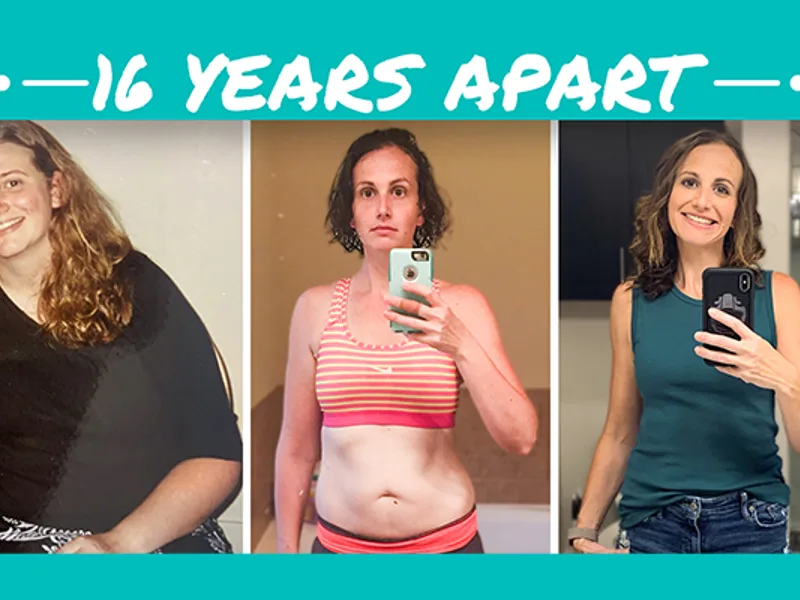
Does intermittent fasting weight loss actually last? A 2026 one-year follow-up study says yes — people who did just 12 weeks of time-restricted eating kept more weight off a full year later than those who got standard diet advice alone. But a separate Cochrane review of nearly 2,000 adults found int
July 23, 2026

A study of nearly 13,000 Brazilian adults found that people who consumed the most artificial sweeteners had noticeably faster memory and thinking decline over eight years than those who consumed the least. The effect was strongest in adults under 60 and in people with diabetes. Researchers stress th
July 23, 2026
Discover how to find a top nephrologist in Alipurduar. Expert advice on kidney care and choosing the right specialist for your health.
May 20, 2026