

Emergency & Help
24/7 Emergency & General Advisory
🚨 24/7 Medical Emergency
Non-Emergency Advisory
10:00 AM – 6:00 PM, Mon–Sat
For appointments & general queries.
24/7 Emergency & General Advisory
🚨 24/7 Medical Emergency
Non-Emergency Advisory
10:00 AM – 6:00 PM, Mon–Sat
For appointments & general queries.
Understand insulin treatment for diabetes in Araria. Learn about types, administration, and expert care from leading physicians.
Diabetes affects millions across India, and Araria is no exception. For many, managing blood sugar levels requires insulin therapy. We often see people confused or apprehensive about starting insulin.
Honestly, it's a vital tool for maintaining health when the body can't produce enough insulin itself. This guide aims to demystify insulin approach, providing clear, actionable information for residents of Araria and surrounding areas.
Insulin is a hormone produced by the pancreas. Its primary role is to help glucose (sugar) from your bloodstream enter your cells for energy. In conditions like diabetes, either the pancreas doesn't produce enough insulin (Type 1 diabetes) or the body becomes resistant to its effects (Type 2 diabetes).
Without adequate insulin action, glucose builds up in the blood, leading to hyperglycemia. This is where insulin approach becomes crucial.
People with Type 1 diabetes must take insulin daily. Their bodies produce very little or no insulin. This autoimmune condition requires lifelong insulin replacement therapy.
In Type 2 diabetes, the body doesn't use insulin effectively. Initially, lifestyle changes and oral medications might suffice.
However, as the disease progresses, many individuals require insulin injections to achieve optimal blood sugar control. What most people miss is that insulin isn't a last resort; it's a powerful, often necessary, component of care.
It sounds simple. It rarely is.
Insulin comes in various forms, categorized by how quickly they work and how long their effects last. Choosing the right type is a key part of personalized diabetes management.
These insulins start working within 15 minutes. They peak in about 1-2 hours and last for 2-4 hours. Examples include Lispro (Humalog) and Aspart (NovoLog). They are typically taken just before or with meals.
Regular insulin starts working in about 30 minutes. It peaks in 2-3 hours and lasts 3-6 hours. It's usually taken 30-60 minutes before eating.
These insulins begin to work in 2-4 hours. They peak between 4-12 hours and last 12-18 hours. NPH insulin is a common example. It often requires twice-daily injections.
Long-acting insulins start working gradually. They provide a steady insulin level for up to 24 hours or even longer. Examples include Glargine (Lantus) and Detemir (Levemir). These are typically taken once daily.
These contain a combination of intermediate-acting and short-acting or rapid-acting insulin. They offer convenience but less flexibility in dosing.
Proper administration is vital for insulin's effectiveness. Patients in Araria have access to several tools.
Pens are popular for their ease of use and portability. They contain a cartridge of insulin and a dialing mechanism for precise dosing. A fine needle attaches to the pen for injection.
Traditional syringes are still widely used. They are cost-effective and allow for accurate measurement, especially when mixing different insulin types. Selecting the correct needle length is important to avoid injecting into muscle tissue.
For some individuals, an insulin pump offers continuous subcutaneous insulin infusion. A small device delivers a basal (background) rate of insulin and boluses (extra doses) for meals. This approach can provide more flexibility and tighter glycemic control.
It sounds simple. It rarely is.
widespread injection sites include the abdomen, thighs, buttocks, and upper arms. Rotating sites helps prevent lipodystrophy — a issue where fatty tissue builds up or depletes, affecting insulin absorption. Here's the thing: consistent rotation is key.
Access to knowledgeable physicians is paramount for successful insulin management. Araria benefits from dedicated healthcare professionals.
Many general physicians in Araria are well-equipped to manage prevalent diabetes cases. For complex situations or those requiring intensive insulin management, consulting an endocrinologist—a specialist in hormone disorders—is recommended. Institutions like AIIMS Patna, while not in Araria, serve as referral centers for advanced care.
Your family doctor is often the first point of contact. They can initiate insulin therapy, monitor your progress, and adjust your regimen as needed. They play a crucial role in your diabetes care team.
While insulin is generally safe and proven, potential side effects need awareness.
This is the most widespread side effect. Symptoms include shakiness, sweating, confusion, and dizziness. What should you actually do? If you experience these, consume a fast-acting carbohydrate source like glucose tablets, fruit juice, or sugar. Is there a better way? Prompt approach prevents severe complications.
This is where most sufferers struggle.
Some people experience weight gain when starting insulin. This is often due to improved glucose control and reduced glucose loss in urine. A balanced diet and regular physical activity can benefit manage this.
Redness, swelling, or itching at the injection site can occur. Using proper technique and rotating sites usually resolves this.
Insulin therapy is most impactful when combined with healthy lifestyle choices. This holistic approach helps individuals in Araria thrive.
A diabetes-friendly diet focuses on whole grains, lean proteins, fruits, and vegetables. Monitoring carbohydrate intake is vital, especially when using rapid- or short-acting insulin. Consulting a registered dietitian can provide personalized meal plans.
Regular exercise improves insulin sensitivity and helps manage weight. Aim for at least 150 minutes of moderate-intensity aerobic activity per week, as recommended by the WHO. Always check blood sugar before and after exercise, especially if using insulin.
Regularly checking your blood sugar levels with a glucometer is essential. This provides real-time data to enable you and your doctor make informed decisions about your insulin doses and lifestyle. Many those affected find this empowering.
And yet, so many people miss it.
Diabetes management is an ongoing journey. Consistent follow-up appointments with your healthcare provider are non-negotiable.
These visits allow for monitoring your A1C levels, checking for complications like diabetic neuropathy or retinopathy, and making necessary adjustments to your care plan. In many cases, early detection of any issues can prevent serious long-term problems.
Living with a chronic concern like diabetes is genuinely hard. However, with the right tools, expert guidance, and a supportive community, managing insulin therapy effectively is absolutely achievable.
Think of insulin not as a burden, but as a partner enabling you to live a fuller, healthier life. Your commitment to managing your diabetes is the most vital ingredient for success.
Yes, you can generally eat rice, but portion control is key. Opt for brown rice over white rice when possible, as it has more fiber. Monitor your blood sugar levels after eating rice to understand how it affects you personally.
The frequency of blood sugar monitoring depends on your individual diabetes management plan. Your doctor will advise you on how often to check, which might range from several times a day to a few times a week.
And yet, so many people miss it.
Not necessarily. Starting insulin therapy means your body needs assist regulating blood sugar levels effectively. It's a sign that your healthcare team is taking proactive steps to ensure your well-being and prevent complications.
Insulin therapy does not cure diabetes; it helps manage the concern. It replaces or supplements the insulin your body is unable to produce or use effectively, allowing for better blood sugar control and a healthier life.
Always consult a qualified physician before making medical decisions.
Visit Hospital
Near You
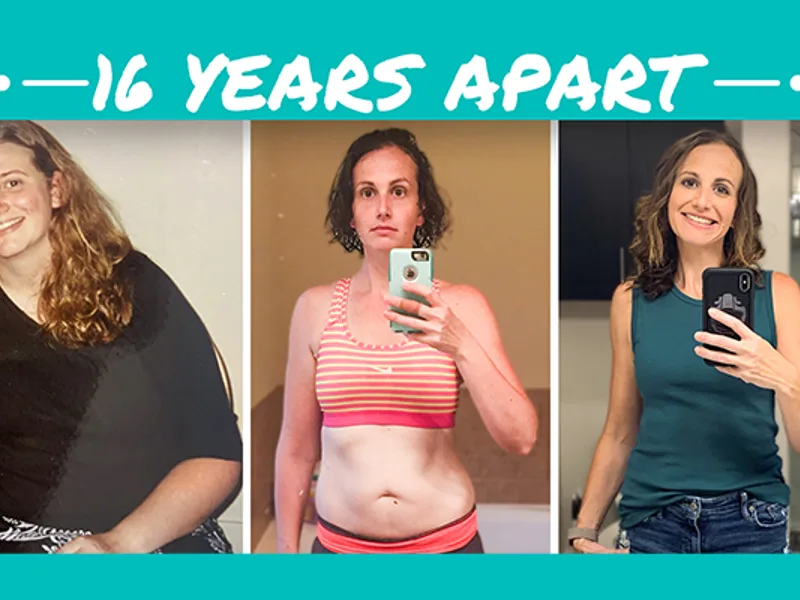
Does intermittent fasting weight loss actually last? A 2026 one-year follow-up study says yes — people who did just 12 weeks of time-restricted eating kept more weight off a full year later than those who got standard diet advice alone. But a separate Cochrane review of nearly 2,000 adults found int
July 23, 2026

A study of nearly 13,000 Brazilian adults found that people who consumed the most artificial sweeteners had noticeably faster memory and thinking decline over eight years than those who consumed the least. The effect was strongest in adults under 60 and in people with diabetes. Researchers stress th
July 23, 2026
Discover how to find a top nephrologist in Alipurduar. Expert advice on kidney care and choosing the right specialist for your health.
May 20, 2026