

Emergency & Help
24/7 Emergency & General Advisory
🚨 24/7 Medical Emergency
Non-Emergency Advisory
10:00 AM – 6:00 PM, Mon–Sat
For appointments & general queries.
24/7 Emergency & General Advisory
🚨 24/7 Medical Emergency
Non-Emergency Advisory
10:00 AM – 6:00 PM, Mon–Sat
For appointments & general queries.
Understand insulin treatment for diabetes in Jehanabad. Learn about types, administration, and expert care available locally.
Diabetes is a chronic condition affecting millions across India, and Jehanabad is no exception. Managing blood sugar levels is crucial for long-term health. For many, particularly those with Type 1 diabetes and some with Type 2, insulin therapy is a vital component of their care plan.
We often see patients in Jehanabad seeking clarity on insulin approach. This guide aims to provide that clarity, explaining what insulin is, why it’s used, and the resources available locally.
Insulin is a hormone naturally produced by the pancreas. Its primary role is to regulate blood glucose (sugar) levels. Think of it as a key that unlocks your body’s cells, allowing glucose from your bloodstream to enter and be used for energy.
When the pancreas doesn't produce enough insulin, or the body can't use it effectively, glucose builds up in the blood, leading to hyperglycemia. This is the hallmark of diabetes.
In Type 1 diabetes, the immune system mistakenly attacks and destroys the insulin-producing beta cells in the pancreas. This results in little to no insulin production. People with Type 1 diabetes *require* insulin therapy for survival. Without it, blood glucose levels become dangerously high.
Type 2 diabetes is more common. Initially, the pancreas may still produce insulin, but the body's cells become resistant to its effects (insulin resistance). Over time, the pancreas may also lose its ability to produce sufficient insulin.
Most people overlook this completely.
For many individuals with Type 2 diabetes, lifestyle changes (diet, exercise) are the first line of therapy. However, as the disorder progresses, oral medications and, eventually, insulin therapy may become necessary to maintain target blood glucose levels. What most people miss: insulin is not a sign of 'failure' in Type 2 diabetes; it's a necessary tool for better health outcomes.
Insulin preparations vary based on how quickly they start working, when they peak, and how long their effects last. Understanding these differences is key to effective management. Specialists in Jehanabad tailor these therapies to individual needs.
The way insulin is administered is as important as the type used. Physicians in Jehanabad employ various methods to suit patient lifestyles and preferences.
This is a traditional method. A vial of insulin is drawn into a syringe and injected subcutaneously (under the skin). While powerful, it requires careful measurement and disposal.
Pens offer convenience and portability. They come pre-filled with insulin or with cartridges that are inserted. A dial is used to select the dose, making it easier for many people to use compared to syringes.
Insulin pumps are small, computerized devices. They deliver a continuous basal rate of rapid-acting insulin throughout the day and night. Users can also program bolus doses for meals. This method offers precise control but requires significant training and commitment.
Most people overlook this completely.
Technology is constantly evolving. Newer smart pens and connected devices can track doses, estimate carbohydrate intake, and even communicate with glucose monitoring systems. These tools empower people with more data for better decision-making.
Living with diabetes and managing insulin can be genuinely hard. Many of us have seen sufferers in Jehanabad initially feel overwhelmed by the prospect of injections or the need for constant monitoring. However, with proper education and support, people adapt remarkably.
Think about it this way: insulin therapy is not a burden, but a tool that enables a fuller, healthier life. We've observed individuals who, after understanding their regimen and finding the right approach, regain energy, control their blood sugar effectively, and enjoy their daily activities without constant worry.
One usual concern is diet. Can you enjoy local favourites? Yes, with careful planning.
For example, if you have diabetes, managing rice intake involves portion control and understanding its glycemic impact, perhaps pairing it with more fiber-rich vegetables or protein sources. It’s about balance, not deprivation. Local dietitians and diabetes educators can provide specific guidance tailored to Jehanabad's cuisine.
Most people overlook this completely.
Access to qualified healthcare professionals is paramount. Fortunately, Jehanabad has a growing number of specialists dedicated to diabetes management.
You'll notice that building a strong relationship with your healthcare team is vital. Regular check-ups allow physicians to monitor your progress, adjust your therapy as needed, and address any emerging complications promptly.
Institutions like the All India Institute of Medical Sciences (AIIMS) and guidelines from the World Health Organization (WHO) emphasize personalized care plans, which your local specialists strive to provide.
Regularly checking your blood glucose levels is non-negotiable. This can be done using a glucometer or a Continuous Glucose Monitor (CGM). This data is vital for making informed decisions about insulin doses, food intake, and physical activity.
A potential side effect of insulin therapy is hypoglycemia. This occurs when blood sugar drops too low. Symptoms can include shakiness, sweating, dizziness, and confusion.
It's crucial to know how to recognize and treat hypoglycemia promptly, usually by consuming fast-acting carbohydrates (like glucose tablets or juice). Your doctor will advise you on the best approach.
Recovery is rarely linear.
To prevent lipodystrophy (changes in fat tissue under the skin), it's vital to rotate injection sites. typical areas include the abdomen, thighs, buttocks, and upper arms. Consistent use of the same spot can affect insulin absorption.
Unused insulin should be refrigerated. Once a vial or pen is in use, it can typically be kept at room temperature for about 28 days (check specific product instructions). Avoid exposing insulin to extreme heat or cold.
Insulin therapy works best when integrated into a healthy lifestyle. This includes a balanced diet, regular physical activity as advised by your doctor, and stress management. What most people miss: consistency in these areas significantly impacts insulin's effectiveness.
The landscape of diabetes management is continually evolving. Advances in insulin formulations, delivery devices, and monitoring technologies are making life easier and improving outcomes for people with diabetes.
The numbers don't lie.
We anticipate that these innovations will become increasingly accessible in regions like Jehanabad, further strengthening the support system for those affected.
Is there a better way? Continuous research and technological integration promise even more personalized and less burdensome approaches to diabetes care. The dedication of local healthcare providers, combined with patient commitment, is paving the way for a healthier future for the community in Jehanabad.
Remember, managing diabetes is a journey, not a destination. With the right knowledge, support, and approach plan, you can live a long, healthy, and fulfilling life. Always consult a qualified physician before making medical decisions.
Yes, people with diabetes can eat rice, but portion control is vital. Rice, especially white rice, can significantly raise blood sugar levels. Opt for smaller portions, pair it with fiber-rich foods like vegetables, and consider brown rice which has a lower glycemic index.
The frequency of blood sugar checks depends on your specific diabetes type, management plan, and your doctor's recommendations. Generally, those on insulin therapy may need to check multiple times a day, especially before meals and bedtime, while others might check less frequently.
It sounds simple. It rarely is.
typical signs include shakiness, sweating, rapid heartbeat, dizziness, hunger, and confusion. If you experience these, it's crucial to check your blood sugar immediately and consume a fast-acting carbohydrate source as advised by your physician.
While injections involve a needle prick, modern insulin pens and ultra-fine needles are designed to minimize discomfort. Many sufferers report that the sensation is minimal and becomes much less noticeable with practice. The benefits of stable blood sugar control often outweigh the momentary discomfort.
Visit Hospital
Near You
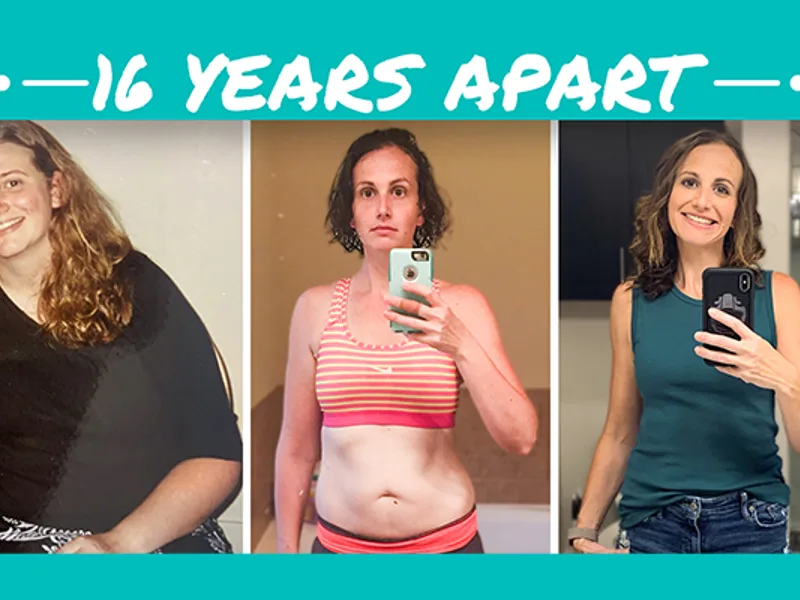
Does intermittent fasting weight loss actually last? A 2026 one-year follow-up study says yes — people who did just 12 weeks of time-restricted eating kept more weight off a full year later than those who got standard diet advice alone. But a separate Cochrane review of nearly 2,000 adults found int
July 23, 2026
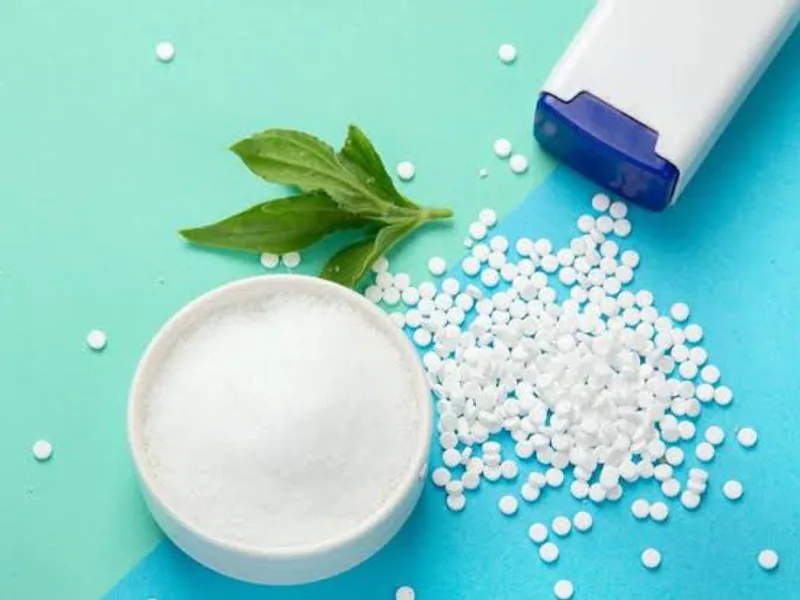
A study of nearly 13,000 Brazilian adults found that people who consumed the most artificial sweeteners had noticeably faster memory and thinking decline over eight years than those who consumed the least. The effect was strongest in adults under 60 and in people with diabetes. Researchers stress th
July 23, 2026
Discover how to find a top nephrologist in Alipurduar. Expert advice on kidney care and choosing the right specialist for your health.
May 20, 2026