

Emergency & Help
24/7 Emergency & General Advisory
🚨 24/7 Medical Emergency
Non-Emergency Advisory
10:00 AM – 6:00 PM, Mon–Sat
For appointments & general queries.
24/7 Emergency & General Advisory
🚨 24/7 Medical Emergency
Non-Emergency Advisory
10:00 AM – 6:00 PM, Mon–Sat
For appointments & general queries.
Explore the benefits of Jalneti, a traditional Indian nasal cleansing technique. Learn how to perform it safely with guidance from Dr. Ankit Sankhe.

Meena, 45, a homemaker from Jaipur, experienced constant nasal congestion, particularly during the damp monsoon months. Her seasonal sensitivities seemed to intensify, making breathing difficult and interfering with her rest.
Having heard of traditional Indian wellness methods, she decided to explore nasal irrigation, a ritual frequently suggested for respiratory comfort.
What is this cleansing method, you might wonder? It’s an ancient yogic and Ayurvedic technique for purifying the nasal passages, often referred to as nasal rinsing.
The process involves gently flushing the nasal passages with a salt-and-water mixture using a specialized vessel known as a neti pot. This straightforward yet impactful ritual has been a cornerstone of Indian wellness for centuries, passed down through generations.
In our hurried existence, we frequently overlook the most straightforward remedies for common discomforts. Nasal irrigation provides a natural, non-medicinal approach to managing a variety of breathing difficulties.
Over 101 million Indians have diabetes (ICMR, 2023), illustrating the widespread physical challenges many encounter, and while nasal irrigation doesn't address diabetes, it reflects the value of integrated approaches in enhancing overall physical condition and vitality, which is vital for managing long-term ailments.
It sounds simple. It rarely is.
The inner lining of the nasal passages is covered by a thin layer of fluid that captures airborne particles like dust, allergens, and germs. When this natural defense mechanism becomes overloaded or blocked, it can result in blockage, infections, and aggravated sensitivities.
Nasal irrigation functions by physically washing away this excess fluid and irritants.
The saline solution itself plays a critical part. It replicates the body's natural salt balance, preventing irritation to the sensitive tissues within the nose. Research published in respected publications like The Lancet has examined the effectiveness of nasal saline flushing for various sinus conditions. The World Health Organization (WHO) also recognizes the significance of clean air and respiratory hygiene within public health initiatives.
The advantages of integrating nasal irrigation into your daily regimen are extensive and significant. For individuals like Meena, who contend with seasonal sensitivities, the alleviation can be substantial. Irritants such as pollen, dust mites, and airborne pollutants are effectively flushed away, reducing swelling and congestion.
Consider this: the positive effects go beyond simply clearing congestion. A study by the Indian Council of Medical Research (ICMR) suggested that improved breathing capacity can positively influence cardiovascular performance, highlighting the interconnectedness of bodily functions.
On top of that,, individuals who often sit on the ground, a widespread practice in many Indian homes, may sometimes encounter increased exposure to dust, making regular nasal cleansing a practical physical maintenance measure.
Most people overlook this completely.
Executing nasal irrigation requires accuracy and attention. It is vital to employ the correct method to achieve optimal benefits and avoid any discomfort. Dr. Ankit Sankhe, a proponent of traditional healing modalities, stresses the importance of proper execution.
What you will need:
The Process:
What should you do if you experience any irritation? If you feel a stinging or burning sensation, the fluid might be too warm or too cool, or the salt concentration might be incorrect. Adjust as needed and try again.
It is crucial to use the appropriate type of water; tap water can contain microorganisms that are hazardous if they enter the nasal passages or sinuses. Therefore, using distilled, sterile, or previously boiled and cooled water is paramount for safety. The International Diabetes Federation (IDF) also emphasizes preventative physical care, and while seemingly unrelated, maintaining good breathing tract hygiene can contribute to overall systemic physical problem, potentially aiding in managing conditions like diabetes.
While nasal irrigation is generally safe, certain precautions are necessary. In many instances, individuals with a history of nosebleeds or recent nasal surgery should consult their doctor before commencing.
Recovery is rarely linear.
The method is typically recommended once daily, though some may find twice daily beneficial, particularly during periods of elevated allergen exposure or illness. However, excessive use is generally not advised without expert guidance.
So what does this mean for you? It signifies approaching this technique with mindfulness and respect for your body. If you are new to nasal irrigation, consider seeking instruction from a qualified yoga instructor or Ayurvedic practitioner.
They can demonstrate the method and ensure you are performing it correctly. Remember, the objective is gentle cleansing, not forceful flushing.
The International Diabetes Federation (IDF) has underscored the importance of lifestyle adjustments in managing diabetes, and while nasal irrigation isn't directly linked, it exemplifies the power of integrating simple, natural methods into daily life for improved physical situation. A sound respiratory system supports overall vitality, which is a key component in managing long-term diseases.
A statistic from the National Health Profile (NHP) indicated that breathing tract ailments are a meaningful source of illness in India, further highlighting the importance of methods like nasal irrigation.
This is where most patients struggle.
Nasal irrigation is deeply woven into the fabric of Indian culture, particularly within yoga and Ayurveda. It transcends mere physical cleansing; it is often regarded as a spiritual exercise that purifies the mind and body, preparing one for meditation and other yogic disciplines. This resonates with the holistic philosophy prevalent in Indian traditions, where physical concern is viewed as integral to mental and spiritual vitality.
During festivals, dietary habits frequently shift, leading to digestive and sometimes breathing discomforts for some, making such cleansing techniques even more pertinent. The method serves as a tangible connection to ancient knowledge, offering enduring remedies for contemporary physical concerns.
What most individuals overlook: the profound link between simple, everyday actions and robust physical issue. Nasal irrigation, when performed consistently, can significantly elevate life quality, especially for those residing in environments with substantial air pollution or high pollen counts, usual in many Indian urban centers.
Its accessibility and minimal cost render it a sustainable physical care approach for a vast population.
Nasal irrigation presents a potent, natural avenue for cleansing your nasal passages, alleviating frequent breathing discomforts, and fostering overall vitality. By understanding the method and applying it diligently—always with safe, pure water and the correct salt balance—you can unlock its numerous advantages.
Here's where it gets interesting.
Similar to Meena, many have discovered substantial relief and a renewed sense of clarity through this time-honored technique.
Key Takeaways:
Always consult a qualified medical professional before making any health-related decisions.
Visit Hospital
Near You

Does intermittent fasting weight loss actually last? A 2026 one-year follow-up study says yes — people who did just 12 weeks of time-restricted eating kept more weight off a full year later than those who got standard diet advice alone. But a separate Cochrane review of nearly 2,000 adults found int
July 23, 2026
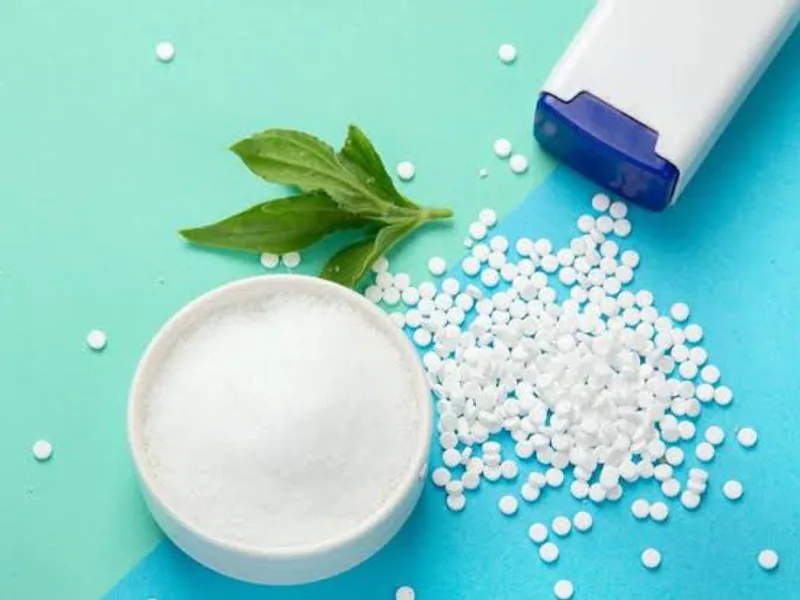
A study of nearly 13,000 Brazilian adults found that people who consumed the most artificial sweeteners had noticeably faster memory and thinking decline over eight years than those who consumed the least. The effect was strongest in adults under 60 and in people with diabetes. Researchers stress th
July 23, 2026
Discover how to find a top nephrologist in Alipurduar. Expert advice on kidney care and choosing the right specialist for your health.
May 20, 2026