

Emergency & Help
24/7 Emergency & General Advisory
🚨 24/7 Medical Emergency
Non-Emergency Advisory
10:00 AM – 6:00 PM, Mon–Sat
For appointments & general queries.
24/7 Emergency & General Advisory
🚨 24/7 Medical Emergency
Non-Emergency Advisory
10:00 AM – 6:00 PM, Mon–Sat
For appointments & general queries.
Expert insights on kidney stone laser treatment in Bettiah. Discover the procedure, benefits, and recovery with Doctar.
Kidney stones, hard deposits made of minerals and salts, can form inside your kidneys. These stones, often small and unnoticed, can cause severe pain when they move through the urinary tract. Many of us have heard stories or perhaps experienced the intense discomfort associated with passing a kidney stone.
Thankfully, modern medicine offers highly effective solutions. In Bettiah, advanced laser management is becoming a preferred approach for many individuals affected by this condition.
For years, surgical intervention was the primary option for larger or problematic kidney stones. However, laser lithotripsy has revolutionized kidney stone management.
This minimally invasive technique uses a laser to break down stones into tiny fragments, which are then easily passed out of the body. It offers a less painful and quicker recovery compared to traditional open surgeries.
The procedure, often performed under general or spinal anesthesia, is typically done via ureteroscopy. A thin, flexible tube called a ureteroscope is inserted through the urethra and bladder into the ureter or kidney.
A laser fiber is then passed through the ureteroscope to target and fragment the kidney stone. The fragmented pieces are either removed with a small basket or naturally expelled by the body.
Think about it this way: Imagine a tough rock that needs to be broken down. Instead of smashing it with a large hammer, laser lithotripsy uses a precise, high-energy beam to chip away at it, turning it into manageable sand-like particles.
Selecting the right healthcare provider is crucial for successful intervention. In Bettiah, several experienced urologists and healthcare facilities offer advanced kidney stone laser care. Look for specialists affiliated with reputable institutions like AIIMS or those with extensive experience in urological procedures.
Most people overlook this completely.
After the laser lithotripsy, some mild discomfort or blood in the urine is common. Physicians will typically prescribe pain relievers and advise on fluid intake. Staying hydrated is vital to help flush out the remaining stone fragments. Many people find that their symptoms, including pain and urinary issues, resolve quickly after the procedure.
Practically speaking, you might feel a bit tired after the anesthesia, but the absence of severe stone pain is usually noticeable quite soon. The key is following your doctor's post-care instructions diligently to ensure optimal healing.
If you experience signs such as severe back or side pain, blood in your urine, persistent nausea, fever, or chills, it's vital to consult a doctor immediately. These indicators can signify a kidney stone that requires prompt medical attention. Early diagnosis and approach can prevent complications like kidney damage or infection.
Ureteroscopy is the primary method used in conjunction with laser therapy. This technique allows specialists to directly visualize the urinary tract using a scope.
Its precision enables doctors to locate stones accurately and apply laser energy effectively. The American Urological Association (AUA) guidelines often recommend ureteroscopy for certain types of kidney stones.
Worth knowing: This endoscopic approach means the instruments go in through your natural urinary passage, avoiding the need for larger surgical cuts. It’s a testament to how far medical technology has advanced.
While laser approach effectively removes existing stones, prevention is key to long-term health. Lifestyle modifications play a vital role. Increasing fluid intake, especially water, is paramount.
Dietary changes, such as reducing salt and certain types of protein, can also support prevent stone formation. Consulting with a urologist or dietitian can provide personalized advice.
Here's the thing — if you've had stones before, you're at a higher risk of developing them again. Taking proactive steps based on medical advice can significantly reduce this chance.
Dietary recommendations vary depending on the type of kidney stone. For calcium stones, the most usual type, healthcare providers may advise limiting sodium intake and moderating animal protein. For uric acid stones, reducing purine-rich foods might be recommended. Understanding your stone type through analysis is the first step toward successful prevention.
That's the part worth remembering.
So what does that mean for you? It means that understanding your body and working with your healthcare team can make a significant difference in preventing future stone episodes.
Bettiah is increasingly becoming a hub for advanced medical treatments, including sophisticated laser procedures for kidney stones. individuals seeking this specialized care can find qualified urologists and well-equipped hospitals. These facilities adhere to high clinical standards, ensuring safe and impactful treatments.
The experience of those affected undergoing this approach is often positive, with many reporting notable relief from pain and a swift return to their daily lives. This is a stark contrast to the prolonged recovery periods associated with older surgical methods.
Laser lithotripsy boasts a very high success rate, often exceeding 95% for effectively breaking down and clearing kidney stones. The exact outcome can depend on the stone's size, location, and composition, as well as the patient's overall health.
Recovery is typically swift. Most individuals can resume their normal daily activities within 2-3 days. However, strenuous physical activity might need to be avoided for a couple of weeks as advised by your physician.
Most people overlook this completely.
Yes, kidney stones can recur. Laser care removes the existing stones, but it does not prevent new ones from forming. Following preventative measures, such as increased fluid intake and dietary adjustments recommended by your doctor, is crucial to minimize the danger of recurrence.
The procedure itself is performed under anesthesia, so you won't feel pain during the approach. Post-procedure discomfort is usually mild and manageable with prescribed pain medication. Many individuals report that the relief from the intense kidney stone pain outweighs any temporary post-operative discomfort.
Living with the pain and disruption of kidney stones is genuinely hard. The availability of advanced laser treatments in Bettiah offers a reliable path to relief and recovery.
Always consult a qualified physician before making medical decisions.
Visit Hospital
Near You

Does intermittent fasting weight loss actually last? A 2026 one-year follow-up study says yes — people who did just 12 weeks of time-restricted eating kept more weight off a full year later than those who got standard diet advice alone. But a separate Cochrane review of nearly 2,000 adults found int
July 23, 2026
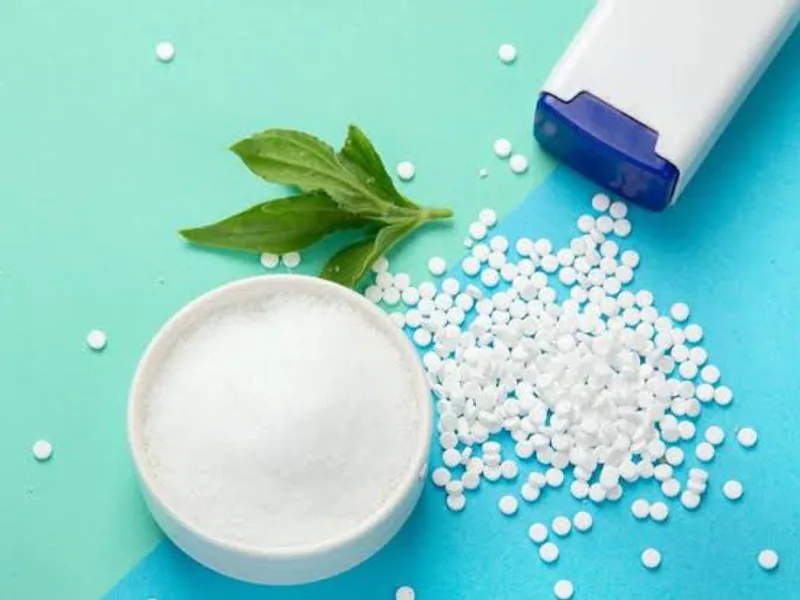
A study of nearly 13,000 Brazilian adults found that people who consumed the most artificial sweeteners had noticeably faster memory and thinking decline over eight years than those who consumed the least. The effect was strongest in adults under 60 and in people with diabetes. Researchers stress th
July 23, 2026
Discover how to find a top nephrologist in Alipurduar. Expert advice on kidney care and choosing the right specialist for your health.
May 20, 2026