

Emergency & Help
24/7 Emergency & General Advisory
🚨 24/7 Medical Emergency
Non-Emergency Advisory
10:00 AM – 6:00 PM, Mon–Sat
For appointments & general queries.
24/7 Emergency & General Advisory
🚨 24/7 Medical Emergency
Non-Emergency Advisory
10:00 AM – 6:00 PM, Mon–Sat
For appointments & general queries.
Find effective kidney stone treatment options in Maheshtala. Learn about causes, symptoms, and when to seek specialist care.
Kidney stones, medically known as renal calculi or pathri, are hard deposits made of minerals and salts that form inside your kidneys. These stones can cause severe pain as they travel through the urinary tract. What most people miss is that these stones can range in size from a grain of sand to a golf ball.
Many of us have experienced or know someone who has suffered from the intense discomfort associated with kidney stones. The pain often starts suddenly and can be excruciating, sometimes described as worse than childbirth.
Several factors contribute to the formation of kidney stones. Dehydration is a primary culprit; not drinking enough fluids means urine becomes more concentrated, allowing minerals to crystallize.
In real-world terms, a diet high in sodium can significantly increase the calcium in your urine, a key factor in stone formation.
The most frequent indicator is severe pain, often felt in the side and back below the ribs. This pain can radiate to the lower abdomen and groin. Have you ever wondered why?
Living with this is genuinely hard. The pain can be debilitating, impacting daily life significantly.
Seeking timely medical advice is crucial. Physicians in Maheshtala offer various approaches to treat kidney stones, depending on their size, type, and location.
For smaller stones, doctors often recommend increased fluid intake and pain relievers. Sometimes, medications are prescribed to help pass the stone more easily. This approach is generally successful for stones less than 5mm in diameter.
Extracorporeal Shock Wave Lithotripsy (ESWL) uses focused sound waves to break the stone into smaller fragments. These fragments can then be passed in the urine. This non-invasive procedure is a proven method for many patients.
A thin, lighted tube called a ureteroscope is inserted through the urethra and bladder into the ureter or kidney. Lasers or tiny instruments are used to break up or remove the stone. This is a reliable technique for stones lodged in the ureter.
That alone changes everything.
For larger or more complex stones, a small incision is made in the back, and a scope is inserted directly into the kidney to remove the stone. This surgical approach is highly impactful for significant stone burdens.
Here's the thing — choosing the right therapy depends heavily on individual circumstances and stone characteristics. Specialists at leading institutions like AIIMS have extensively researched these methods.
It is vital to seek immediate medical attention if you experience severe pain, fever, chills, or difficulty passing urine. These can indicate a serious complication, such as infection or blockage. Is there a better way than delaying care?
Consulting a urologist or nephrologist in Maheshtala ensures you receive an accurate diagnosis and a personalized intervention plan. They will assess your condition using imaging tests like ultrasounds or CT scans, adhering to guidelines similar to those set by the World Health Organization (WHO) for kidney health.
That's the part worth remembering.
Prevention is key to long-term well-being. Staying well-hydrated is paramount—aim for 2-3 liters of water daily, especially in warmer climates like West Bengal.
Following these lifestyle changes, as recommended by global health bodies like the Indian Council of Medical Research (ICMR), can support strengthen your urinary system's health.
Remember, understanding your body and taking proactive steps can make a marked difference. We often see sufferers who feel empowered once they grasp the factors contributing to their disorder.
Yes, rice is generally safe for individuals with kidney stones. However, moderation is advised, particularly if your diet is high in carbohydrates. It's more crucial to focus on overall hydration and reducing sodium intake.
The duration of kidney stone pain varies greatly depending on the stone's size and its journey through the urinary tract. Some episodes can resolve within a few hours with appropriate pain management, while others might persist for days or even weeks.
No, surgery is not always necessary. Many smaller stones can pass on their own with conservative management, including increased fluid intake and medication. Surgical intervention is typically reserved for larger stones, those causing considerable blockage, or persistent, severe pain.
While home remedies can offer some relief, they are not a substitute for professional medical care. Drinking plenty of water is the most reliable home measure. Some anecdotal evidence suggests lemon juice may aid, but its efficacy is not clinically proven for all stone types. Always consult a qualified physician before making medical decisions.
This is where most sufferers struggle.
Visit Hospital
Near You

Does intermittent fasting weight loss actually last? A 2026 one-year follow-up study says yes — people who did just 12 weeks of time-restricted eating kept more weight off a full year later than those who got standard diet advice alone. But a separate Cochrane review of nearly 2,000 adults found int
July 23, 2026
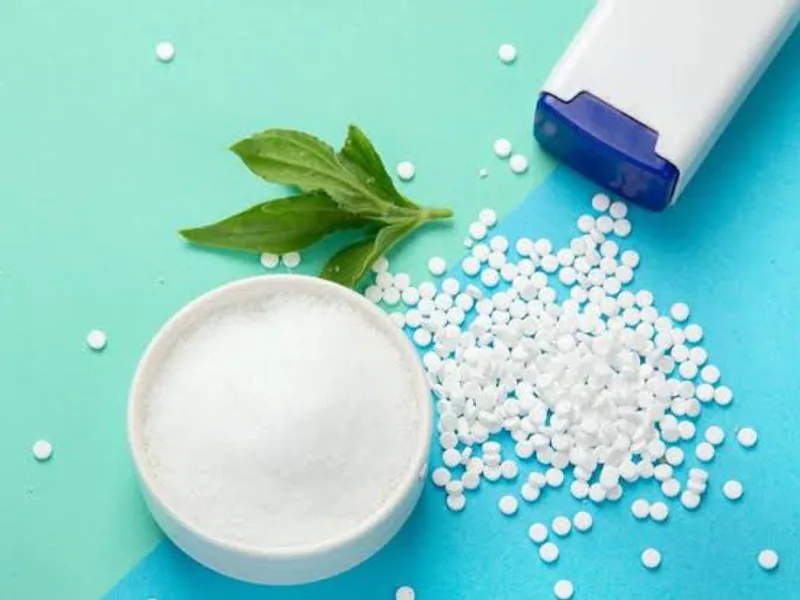
A study of nearly 13,000 Brazilian adults found that people who consumed the most artificial sweeteners had noticeably faster memory and thinking decline over eight years than those who consumed the least. The effect was strongest in adults under 60 and in people with diabetes. Researchers stress th
July 23, 2026
Discover how to find a top nephrologist in Alipurduar. Expert advice on kidney care and choosing the right specialist for your health.
May 20, 2026