

Emergency & Help
24/7 Emergency & General Advisory
🚨 24/7 Medical Emergency
Non-Emergency Advisory
10:00 AM – 6:00 PM, Mon–Sat
For appointments & general queries.
24/7 Emergency & General Advisory
🚨 24/7 Medical Emergency
Non-Emergency Advisory
10:00 AM – 6:00 PM, Mon–Sat
For appointments & general queries.
Expert advice on managing blood sugar levels in Garden Reach, covering diet, exercise, and medical approaches for a healthier life.
Managing blood sugar is vital for overall health, especially for individuals living in diverse communities like Garden Reach. Fluctuations in blood glucose can lead to serious health issues if left unaddressed. We often see patients struggling with maintaining optimal levels, and understanding the right approach is key.
High blood sugar, or hyperglycemia, occurs when your body has too much glucose circulating in the bloodstream. This can happen due to insufficient insulin production or the body's inability to use insulin effectively.
Conversely, low blood sugar, or hypoglycemia, happens when glucose levels drop too low, which can also be dangerous. Here's the thing — a balanced approach is crucial for stable blood glucose.
Dietary choices play a significant role in blood sugar control. For residents of Garden Reach, incorporating traditional Indian foods while being mindful of their glycemic impact is essential. We need to focus on foods that release glucose slowly into the bloodstream.
Sugary drinks, sweets (mithai), and refined carbohydrates like white bread and white rice should be consumed sparingly. These foods cause rapid increases in blood glucose. Worth knowing: Many popular Bengali sweets, often enjoyed in Kolkata, can be very high in sugar and should be treated as occasional indulgences rather than daily staples.
The numbers don't lie.
Practically speaking, the goal is to create a balanced plate that includes complex carbohydrates, lean protein, healthy fats, and plenty of non-starchy vegetables. This approach ensures sustained energy release and better glycemic control.
Regular exercise is a cornerstone of effective blood sugar management. Physical activity helps your body use insulin more efficiently, thereby lowering blood glucose levels. It also aids in weight management, which is crucial for many individuals affected by diabetes.
Is there a better way than just diet? Yes, combining diet with consistent exercise yields superior results for blood sugar levels.
While lifestyle changes are paramount, medical interventions are often necessary for optimal blood sugar control. Physicians in Garden Reach, like specialists across India, use various approaches tailored to individual needs.
Depending on your condition, your doctor might prescribe oral medications or insulin injections. These therapies support your body produce or use insulin more effectively. Adherence to prescribed medication is crucial.
The numbers don't lie.
Regular self-monitoring of blood glucose (SMBG) using a glucometer is vital. It provides real-time data on how diet, exercise, and medication affect your levels.
Many of us have seen people significantly improve their control once they start consistent monitoring. The World Health Organization (WHO) emphasizes SMBG as a key component of diabetes care.
Routine visits to your doctor or endocrinologist are indispensable. These appointments allow for adjustments to your treatment plan and screening for potential complications. Institutions like AIIMS (All India Institute of Medical Sciences) consistently highlight the importance of regular medical follow-ups.
Living with diabetes or prediabetes presents unique challenges. Many individuals face daily struggles with managing their issue, from dietary restrictions to the emotional burden. We understand that living with this is genuinely hard. However, numerous success stories emerge from the Garden Reach community.
For instance, Mrs. Sharma, a long-time resident, shared how incorporating daily walks and swapping her usual fried snacks for roasted chana (chickpeas) significantly improved her HbA1c levels. Her physician, Dr. Sen, noted her dedication. What's the bottom line here? Patient dedication, coupled with expert guidance, makes a profound difference.
Support groups and community health initiatives can provide invaluable emotional and practical assistance. Connecting with others facing similar challenges can foster a sense of belonging and shared learning.
And yet, so many people miss it.
Consistent blood sugar control is the most powerful strategy for preventing long-term diabetes complications. These can affect the eyes, kidneys, nerves, and heart. The Indian Council of Medical Research (ICMR) regularly publishes data underscoring the link between poor glycemic control and increased complication rates.
Practically speaking, proactive management today strengthens your health for tomorrow. A study published in The Lancet highlighted that consistent adherence to approach plans can reduce complication risks by over 50%.
Mastering blood sugar control in Garden Reach is an achievable goal. It requires a commitment to a healthy diet, regular physical activity, diligent monitoring, and regular medical consultations. Remember, small, consistent changes can lead to meaningful improvements in your health and well-being.
Your health is your most valuable asset; take charge of it with knowledge and determination. Always consult a qualified physician before making medical decisions.
Yes, you can eat rice, but portion control is crucial. Opt for brown rice or parboiled rice over white rice, as they have a lower glycemic index. Pair it with plenty of vegetables and lean protein to slow down glucose absorption.
That's the part worth remembering.
The frequency of blood sugar monitoring depends on your individual concern and intervention plan. Your doctor will advise you on the best schedule, which might range from once a day to several times a day, especially if you are on insulin.
Early indicators of high blood sugar often include increased thirst, frequent urination, fatigue, blurred vision, and headaches. If you notice these symptoms consistently, it's important to consult your doctor for a check-up.
For some individuals with prediabetes or type 2 diabetes in its early stages, considerable lifestyle changes like diet and exercise might be enough to manage blood sugar levels. However, many people require medication alongside lifestyle adjustments, as advised by their physician.
Visit Hospital
Near You
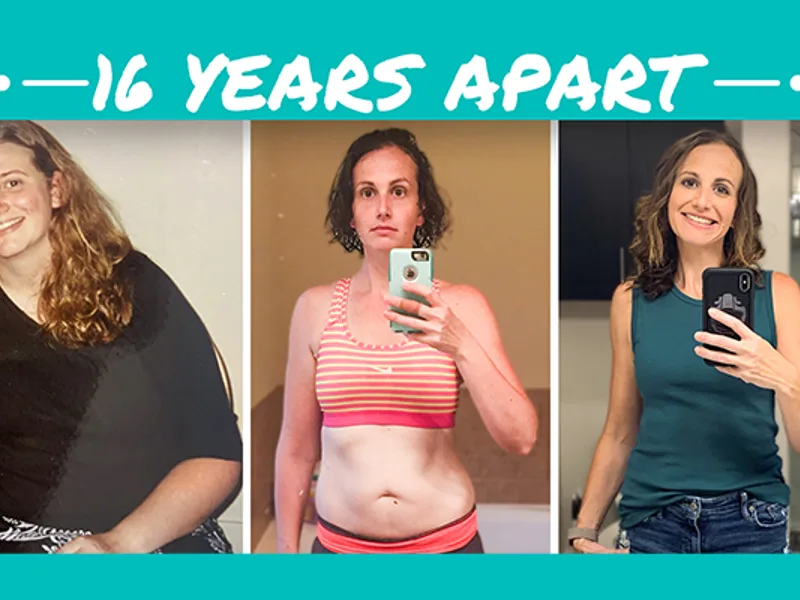
Does intermittent fasting weight loss actually last? A 2026 one-year follow-up study says yes — people who did just 12 weeks of time-restricted eating kept more weight off a full year later than those who got standard diet advice alone. But a separate Cochrane review of nearly 2,000 adults found int
July 23, 2026

A study of nearly 13,000 Brazilian adults found that people who consumed the most artificial sweeteners had noticeably faster memory and thinking decline over eight years than those who consumed the least. The effect was strongest in adults under 60 and in people with diabetes. Researchers stress th
July 23, 2026
Discover how to find a top nephrologist in Alipurduar. Expert advice on kidney care and choosing the right specialist for your health.
May 20, 2026