

Emergency & Help
24/7 Emergency & General Advisory
🚨 24/7 Medical Emergency
Non-Emergency Advisory
10:00 AM – 6:00 PM, Mon–Sat
For appointments & general queries.
24/7 Emergency & General Advisory
🚨 24/7 Medical Emergency
Non-Emergency Advisory
10:00 AM – 6:00 PM, Mon–Sat
For appointments & general queries.
Learn effective strategies for blood sugar management in Chhapra. Expert advice on diet, exercise, and medical care for better health.
Effectively regulating circulating energy levels is crucial for overall health, particularly in regions like Chhapra, where lifestyle factors can significantly influence metabolic indicators. Elevated blood glucose, also known as hyperglycemia, can lead to serious long-term health issues if not addressed.
Often, grasping the fundamental principles of how the body manages its internal energy marks the initial stride toward a healthier existence.
Healthcare providers frequently observe individuals struggling with variable energy measurements. While the path to consistent energy metrics might initially appear challenging, with the right knowledge and approach, it becomes entirely manageable.
This guide aims to provide clear, actionable advice, specifically tailored for Chhapra residents, drawing upon established medical guidelines and local context.
Your body utilizes glucose, a form of sugar derived from food, for energy. Insulin, a hormone produced by the pancreas, facilitates the movement of this glucose from your bloodstream into your cells.
When this critical process is disrupted, concentrations of circulating energy can either rise excessively (hyperglycemia) or drop too low (hypoglycemia).
Persistently elevated glycemic readings are a hallmark of diabetes mellitus. If left unaddressed, this chronic illness can damage blood vessels and nerves throughout the body.
Potential complications include heart disease, stroke, kidney failure, blindness, and nerve damage that can lead to foot problems. The World Health Organization (WHO) emphasizes the critical need for effective management of this metabolic disorder to prevent these severe outcomes.
The long-term consequences of unregulated energy metrics can profoundly affect an individual's quality of life and lifespan. Therefore, diligent oversight is not merely recommended; it is essential.
proven energy regulation rests on several interconnected pillars. These encompass dietary choices, physical activity, medication (if prescribed), and consistent monitoring. Each of these will be explored in detail.
It sounds simple. It rarely is.
Your diet makes a real difference in maintaining stable energy readings. Focusing on a balanced intake of nutrients helps prevent sharp increases and drops in circulating energy levels.
Hydration is also key. Drinking ample water throughout the day assists your kidneys in flushing out surplus energy molecules.
Regular exercise is a powerful tool for glycemic regulation. Physical activity makes your cells more sensitive to insulin, enabling them to use energy more effectively. It also aids in weight management, a vital factor in preventing and addressing type 2 of this metabolic disorder.
In practical terms, integrating physical activity does not necessitate a sophisticated gym. A daily walk, gardening, or playing with children can significantly enhance your health.
For many individuals, diet and exercise alone may not be sufficient to achieve target glycemic metrics. In such instances, physicians may prescribe oral medications or insulin therapy. Adherence to the prescribed treatment plan is crucial.
Consistent tracking of circulating energy is equally important. Home glucose meters enable you to monitor your readings throughout the day. This data provides valuable insights into how food, activity, and medication influence your energy concentrations.
It empowers both you and your doctor to make necessary adjustments to your care plan. Following guidelines similar to those recommended by the American Heart Association (AHA) for cardiovascular health is also beneficial, as heart health is closely tied to this metabolic situation.
It sounds simple. It rarely is.
Skipping medication or neglecting to track your readings can lead to dangerous fluctuations and accelerated disease progression.
Maintaining stable energy levels is a continuous process, not a one-time fix. It demands commitment and understanding. Remember, you are not alone in this journey.
Local Resources and Support: Chhapra possesses healthcare facilities and specialists who can assist you. Building a strong relationship with your doctor is paramount. Institutions like AIIMS Patna are also accessible for more complex cases, offering advanced diagnostics and intervention options. The Indian Council of Medical Research (ICMR) provides valuable research and guidelines on the management of this metabolic situation relevant to the Indian population.
Mental and Emotional Well-being: Living with a chronic metabolic concern can be genuinely challenging. Support groups, family encouragement, and maintaining social connections can make a significant difference. Do not hesitate to seek emotional support when needed.
Lifestyle Adjustments: Small, consistent changes accumulate over time. Perhaps it’s swapping your usual fried snack for a handful of roasted chana, or taking a short walk after dinner. These everyday choices build healthier habits.
The ultimate goal is not merely to stabilize glycemic readings, but to live a full, active, and healthy life despite the challenges. Embrace the changes, celebrate small victories, and stay informed.
Yes, you can eat rice, but portion control and the type of rice are crucial. Opt for brown rice or unpolished rice over white rice, as they contain more fiber and have a lower glycemic index.
It's best to consume rice in moderation as part of a balanced meal, pairing it with vegetables and lean protein to help manage abrupt rises in circulating energy.
The frequency of glycemic status measurements depends on your individual concern, approach plan, and doctor's recommendations. Generally, people with this metabolic concern may need to monitor their energy readings once or multiple times a day, especially if they are on insulin or making considerable lifestyle changes.
Your physician will guide you on the optimal monitoring schedule for your specific needs.
Early indicators of elevated glycemic status can include increased thirst, frequent urination, unexplained weight loss, fatigue, blurred vision, and slow-healing sores. If you notice these signs, it's essential to consult a healthcare provider for diagnosis and management. Prompt attention can aid prevent serious complications.
Many traditional Indian foods can be part of a healthy diet for individuals with this concern when prepared mindfully. Emphasizing whole grains, lentils, vegetables, and lean proteins is key.
Foods like dal, sabzi (vegetable dishes), idli, dosa (made with fermented batter), and certain types of roti can be beneficial. However, it's vital to be mindful of portion sizes and cooking methods, avoiding excessive oil, sweeteners, and refined carbohydrates found in some traditional preparations.
Always consult a qualified physician before making medical decisions.
Visit Hospital
Near You
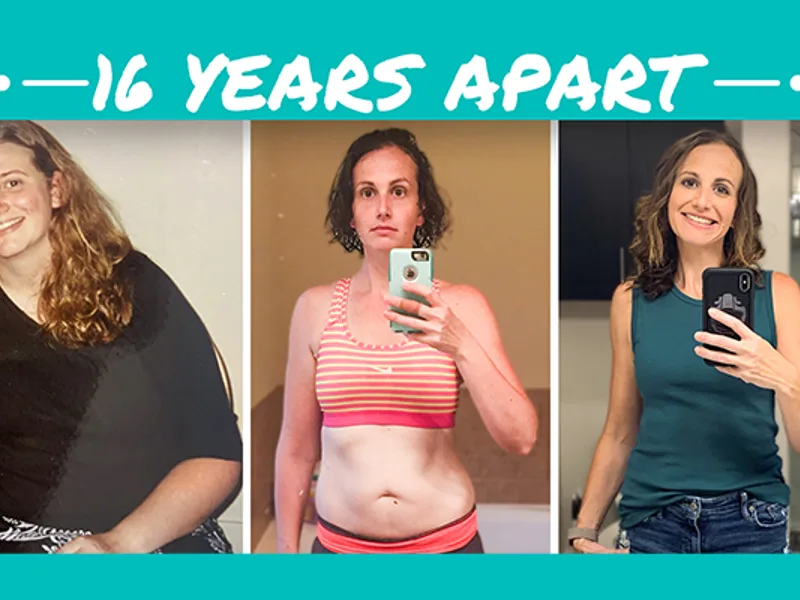
Does intermittent fasting weight loss actually last? A 2026 one-year follow-up study says yes — people who did just 12 weeks of time-restricted eating kept more weight off a full year later than those who got standard diet advice alone. But a separate Cochrane review of nearly 2,000 adults found int
July 23, 2026

A study of nearly 13,000 Brazilian adults found that people who consumed the most artificial sweeteners had noticeably faster memory and thinking decline over eight years than those who consumed the least. The effect was strongest in adults under 60 and in people with diabetes. Researchers stress th
July 23, 2026
Discover how to find a top nephrologist in Alipurduar. Expert advice on kidney care and choosing the right specialist for your health.
May 20, 2026