

Emergency & Help
24/7 Emergency & General Advisory
🚨 24/7 Medical Emergency
Non-Emergency Advisory
10:00 AM – 6:00 PM, Mon–Sat
For appointments & general queries.
24/7 Emergency & General Advisory
🚨 24/7 Medical Emergency
Non-Emergency Advisory
10:00 AM – 6:00 PM, Mon–Sat
For appointments & general queries.
Find the best endoscopy centres in Nadia for accurate diagnosis and treatment. Learn about procedures, specialist care, and what to expect.
Endoscopy is a crucial medical procedure that allows physicians to visualize the internal organs of the digestive tract. Using a thin, flexible tube with a camera attached (an endoscope), specialists can directly examine the esophagus, stomach, duodenum, and colon.
This minimally invasive approach provides invaluable insights for diagnosing many kinds of gastrointestinal conditions. Honestly, the clarity it offers is remarkable.
This diagnostic technique helps identify the root cause of persistent digestive issues. Symptoms like unexplained abdominal pain, chronic indigestion, difficulty swallowing, or persistent changes in bowel habits often warrant an endoscopic evaluation.
In many cases, endoscopy can detect abnormalities such as inflammation, ulcers, polyps, or even early signs of cancer when they are most treatable.
Many of us experience digestive discomfort occasionally. However, certain indicators suggest a more thorough investigation is necessary. These include:
What should you actually do if you experience these signs? Consulting a specialist is the first step.
Several types of endoscopy are performed, each targeting a specific part of the gastrointestinal system:
A gastroscopy examines the upper part of the digestive tract. This includes the esophagus, stomach, and the first part of the small intestine (duodenum). Physicians use this to diagnose conditions like gastritis, peptic ulcers, and esophageal reflux disease (GERD).
How serious is this really? It's vital for catching early-stage cancers in these areas.
Colonoscopy involves examining the large intestine (colon) and the rectum. It is the gold standard for detecting colorectal cancer, polyps (pre-cancerous growths), and inflammatory bowel diseases like ulcerative colitis and Crohn's disease.
Most people overlook this completely.
Routine colonoscopies are recommended for individuals over the age of 45, or sooner if there's a family history of colon cancer.
A sigmoidoscopy is similar to a colonoscopy but examines only the lower portion of the colon (sigmoid colon) and rectum. It is often used to investigate rectal bleeding or changes in bowel movements.
ERCP combines endoscopy with X-rays. It is used to diagnose and treat problems in the bile and pancreatic ducts, such as gallstones or blockages.
EUS uses sound waves from the endoscope to create detailed images of the digestive tract lining and nearby organs. This is particularly helpful for staging cancers and evaluating pancreatic conditions.
Selecting the right endoscopy centre in Nadia is paramount for ensuring accurate diagnosis and a positive patient experience. Several factors should guide your choice:
Look for centres staffed by experienced gastroenterologists and trained support staff. Specialists with extensive experience in performing a high volume of procedures often achieve better outcomes. Worth knowing: Many leading centres have physicians trained at prestigious institutions like AIIMS.
The quality of the endoscopes and associated technology significantly impacts diagnostic accuracy. Modern centres use high-definition cameras and advanced imaging capabilities, enabling clearer visualization of subtle abnormalities. Reliable equipment is key.
Ensure the centre adheres to strict sterilization protocols and safety guidelines, often following standards set by the World Health Organization (WHO) or national bodies like the Indian Council of Medical Research (ICMR). Patient safety is non-negotiable.
It sounds simple. It rarely is.
A good centre prioritizes patient comfort throughout the process. This includes clear pre-procedure instructions, compassionate care during the procedure (including sedation options), and thorough post-procedure follow-up. Living with digestive issues is genuinely hard; the care should reflect this understanding.
Conveniently located centres in Nadia make it easier for people to attend appointments and follow-up visits. Easy access is a practical consideration for many.
Undergoing an endoscopy might seem daunting, but understanding the process can alleviate anxiety. Here’s a general outline:
You will receive detailed instructions from the clinic. Typically, this involves fasting for 6-12 hours before the procedure to ensure the stomach or colon is empty. You may also be advised to stop certain medications, especially blood thinners. In real-world terms, preparation is key to a successful outcome.
You will likely be given a mild sedative to help you relax and prevent discomfort. The endoscope is then carefully inserted. For a gastroscopy, it goes down your throat; for a colonoscopy, it's inserted anally.
The procedure itself usually takes between 15 to 60 minutes, depending on the type and complexity. How serious is this really? Most patients experience minimal to no pain during the examination itself.
That alone changes everything.
After the sedation wears off, you'll be monitored for a short period. You might feel bloated or have mild cramping. It’s advisable to have someone drive you home, as the sedation can affect your coordination and judgment for several hours. What should you actually do? Rest and follow your physician’s specific aftercare instructions.
Endoscopy can reveal a variety of conditions:
In many cases, intervention can begin immediately. For instance, polyps can be removed during a colonoscopy, preventing them from becoming cancerous. Bleeding sites can be cauterized, and biopsies can be taken for further analysis. This integrated approach helps improve patient outcomes significantly.
Navigating digestive health issues can be challenging. The constant discomfort or worry about underlying conditions impacts daily life, much like worrying about the monsoon rains affecting your commute. However, with advancements in diagnostic tools like endoscopy and the dedicated care available in Nadia, proven management and management are more accessible than ever.
Staying informed and proactive is your strongest ally. We often see sufferers feel immense relief simply by understanding what's happening inside their bodies.
When searching for an endoscopy centre, consider specialists who are not only skilled but also empathetic. A doctor who takes the time to explain procedures and answer all your questions builds crucial trust.
That alone changes everything.
Look for physicians affiliated with reputable hospitals or diagnostic centres in Nadia. Many centres now offer online booking and detailed information about their services, making the process more transparent.
While endoscopy is vital for diagnosis, lifestyle choices play a key role in maintaining digestive well-being. A balanced diet rich in fibre, regular physical activity (like your daily morning walk), adequate hydration, and stress management can significantly support gut health.
Avoiding smoking and limiting alcohol intake are also proven strategies to enhance the effectiveness of any medical therapy. Remember, small changes can lead to substantial improvements over time.
Endoscopy is a powerful tool that empowers both physicians and individuals in the journey towards better digestive health. By understanding the procedure, its benefits, and how to choose a quality centre in Nadia, you take a significant step towards accurate diagnosis and successful care. Don't let persistent digestive warning signs go unaddressed.
Seek expert advice and embrace the path to a healthier you. Always consult a qualified physician before making medical decisions.
After a gastroscopy, you can usually eat normally once you feel comfortable, typically within a few hours. For a colonoscopy, your doctor will advise a specific diet, often starting with clear liquids and gradually reintroducing soft foods.
And yet, so many people miss it.
Visual results are often available immediately after the procedure. However, if biopsies were taken, it might take a few days to a week for the laboratory analysis and detailed report from the specialist.
Endoscopy is performed under sedation, which significantly minimizes discomfort and pain. Most people feel groggy afterwards but report little to no pain during the actual examination.
Endoscopy is generally a very safe procedure. However, like any medical intervention, there are minor risks such as bleeding, infection, or perforation (a tear in the organ wall), which are rare. Your physician will discuss these potential risks with you.
Visit Hospital
Near You
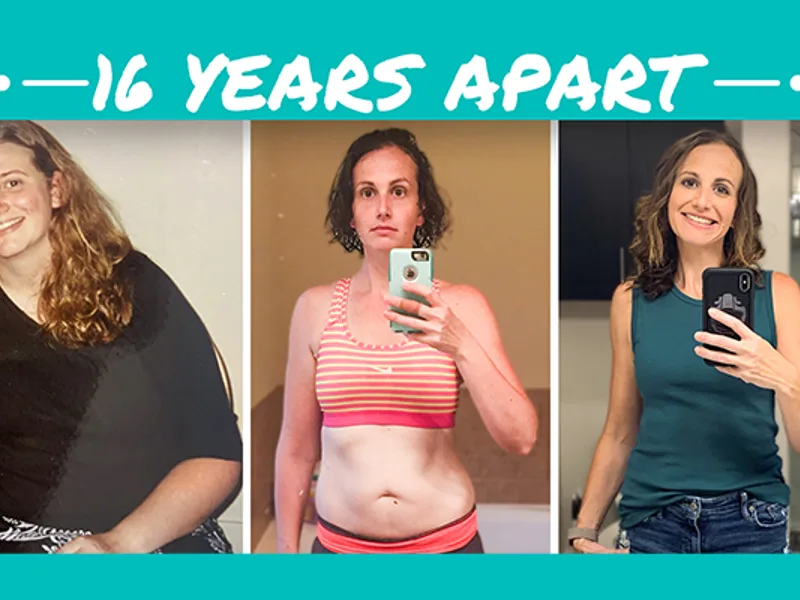
Does intermittent fasting weight loss actually last? A 2026 one-year follow-up study says yes — people who did just 12 weeks of time-restricted eating kept more weight off a full year later than those who got standard diet advice alone. But a separate Cochrane review of nearly 2,000 adults found int
July 23, 2026

A study of nearly 13,000 Brazilian adults found that people who consumed the most artificial sweeteners had noticeably faster memory and thinking decline over eight years than those who consumed the least. The effect was strongest in adults under 60 and in people with diabetes. Researchers stress th
July 23, 2026
Discover how to find a top nephrologist in Alipurduar. Expert advice on kidney care and choosing the right specialist for your health.
May 20, 2026