

Emergency & Help
24/7 Emergency & General Advisory
🚨 24/7 Medical Emergency
Non-Emergency Advisory
10:00 AM – 6:00 PM, Mon–Sat
For appointments & general queries.
24/7 Emergency & General Advisory
🚨 24/7 Medical Emergency
Non-Emergency Advisory
10:00 AM – 6:00 PM, Mon–Sat
For appointments & general queries.
Explore effective obesity treatment options available in Hazaribagh. Learn about lifestyle changes, medical interventions, and expert advice for sustainable weight management.
Obesity is a significant health concern affecting many individuals across India, including our community in Hazaribagh. It's defined as an excessive accumulation of body fat that presents a risk to health. Practically speaking, this condition increases the likelihood of developing numerous chronic diseases.
The World Health Organization (WHO) highlights obesity as a global epidemic. In India, the prevalence is rising, with recent estimates suggesting over 30% of the urban population is overweight or obese. This trend necessitates accessible and effective treatment strategies right here in Hazaribagh.
Living with obesity can be genuinely hard, impacting not just physical health but also mental well-being and social interactions. We often see people struggling with self-esteem and facing societal stigma. What's the bottom line here? Addressing obesity is crucial for improving quality of life and longevity.
Several elements contribute to the development of obesity. Understanding these helps in tailoring proven therapy plans.
Obesity is typically diagnosed using the Body Mass Index (BMI). A BMI of 30 or higher is considered obese. How serious is this really? A BMI between 25 and 29.9 is classified as overweight. It's vital to understand that BMI is a screening tool; body composition and fat distribution also matter.
That alone changes everything.
The health risks associated with obesity are extensive and serious. These include:
powerful obesity management requires a personalized and often multi-pronged approach. In Hazaribagh, various options are available, ranging from lifestyle modifications to advanced medical interventions. The goal is sustainable weight loss and improved overall health.
These are the cornerstones of any successful weight management program. They require commitment but offer the most sustainable results.
Worth knowing: These lifestyle changes not only benefit with weight loss but also significantly reduce the likelihood of associated health problems.
For individuals who haven't achieved their weight loss goals through lifestyle changes alone, medical interventions can be a valuable next step. These are typically considered when obesity poses a notable health likelihood.
In real-world terms, bariatric surgery can lead to substantial and sustained weight loss, alongside dramatic improvements in conditions like diabetes and hypertension. The Indian Association of Gastrointestinal Endosurgeons (IAGES) provides guidelines for bariatric surgery in India.
Accessing expert guidance is crucial for navigating obesity intervention successfully.
How serious is this really? Seeking professional assist ensures that your approach plan is safe, powerful, and addresses all aspects of your health.
Choosing the right dietary approach can make a major difference. While fad diets often fail, evidence-based strategies support long-term success.
The most successful diet is one that you can stick to long-term. Consulting a dietitian in Hazaribagh can assist you find a plan that fits your lifestyle and health needs.
Exercise is indispensable for weight loss and maintenance. It helps burn calories, build muscle, and enhance overall fitness.
Finding enjoyable ways to incorporate movement into your daily routine is key. Perhaps starting with a daily walk around your neighborhood or joining a local yoga studio.
Losing weight is a notable achievement, but maintaining it requires ongoing effort and commitment. This is where sustainable lifestyle changes truly shine.
What's the bottom line here? Long-term success hinges on integrating healthy habits into your everyday life, making them a natural part of who you are.
If you are struggling with obesity or its related health issues, don't hesitate to seek professional assist. Hazaribagh offers a growing number of healthcare providers dedicated to obesity management.
You can start by consulting your primary care physician. They can provide an initial assessment and guide you toward the appropriate specialists.
Many clinics and hospitals in the area have nutritionists, dietitians, and bariatric surgeons on staff or can provide referrals. Remember, taking the first step is often the hardest, but it's also the most empowering.
Recovery is rarely linear.
Always consult a qualified physician before making medical decisions.
Portion control is essential. While rice is a staple, consuming large amounts can significantly impact blood sugar levels and hinder weight loss. Opt for smaller portions, preferably brown rice, and balance your meal with protein and vegetables.
A combination of aerobic exercise and strength training is most proven. Aerobic activities burn calories, while strength training builds muscle, boosting your metabolism. Find activities you enjoy to ensure consistency.
A safe and sustainable rate of weight loss is typically 1-2 pounds (about 0.5-1 kg) per week. Rapid weight loss is often unsustainable and can be unhealthy. Focus on gradual progress and long-term lifestyle changes.
While specific formal groups may vary, many hospitals and clinics offer nutritional counseling and may have connections to informal support networks. Inquire with your healthcare provider about available resources in the Hazaribagh area.
Recovery is rarely linear.
Visit Hospital
Near You
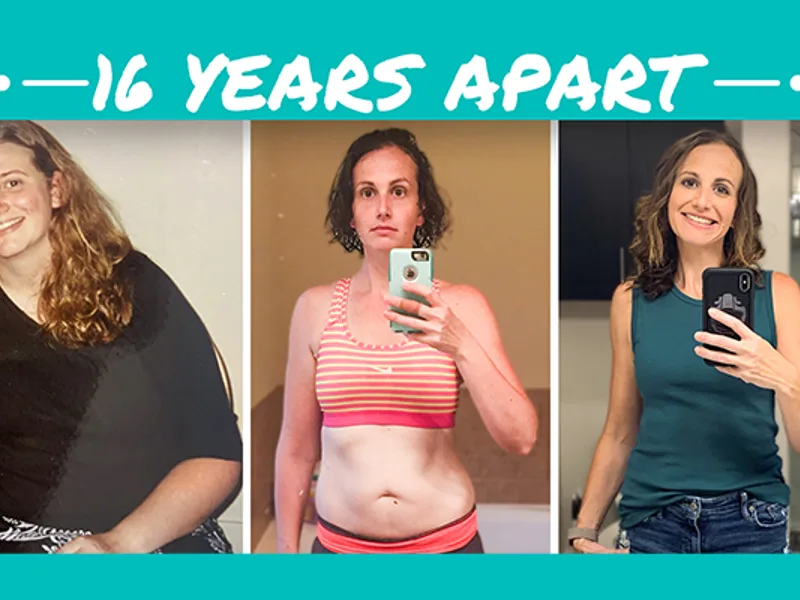
Does intermittent fasting weight loss actually last? A 2026 one-year follow-up study says yes — people who did just 12 weeks of time-restricted eating kept more weight off a full year later than those who got standard diet advice alone. But a separate Cochrane review of nearly 2,000 adults found int
July 23, 2026

A study of nearly 13,000 Brazilian adults found that people who consumed the most artificial sweeteners had noticeably faster memory and thinking decline over eight years than those who consumed the least. The effect was strongest in adults under 60 and in people with diabetes. Researchers stress th
July 23, 2026
Discover how to find a top nephrologist in Alipurduar. Expert advice on kidney care and choosing the right specialist for your health.
May 20, 2026