

Emergency & Help
24/7 Emergency & General Advisory
🚨 24/7 Medical Emergency
Non-Emergency Advisory
10:00 AM – 6:00 PM, Mon–Sat
For appointments & general queries.
24/7 Emergency & General Advisory
🚨 24/7 Medical Emergency
Non-Emergency Advisory
10:00 AM – 6:00 PM, Mon–Sat
For appointments & general queries.
Find top OPD clinics in Madhyamgram for reliable medical care. Learn about services, choosing a doctor, and essential health tips.
An Outpatient Department (OPD) clinic is a vital part of any healthcare ecosystem, offering accessible medical consultations without requiring overnight admission. In Madhyamgram, these clinics serve as the first point of contact for many individuals seeking prompt medical attention.
You'll notice that these facilities are designed to provide many kinds of services, from routine check-ups to the management of chronic conditions.
The reality is, having reliable OPD options nearby significantly boosts community health. These clinics are staffed by dedicated physicians and nurses, ensuring that people receive timely care. Whether you're experiencing a minor ailment or need a specialist's opinion, the local OPD is often the most convenient and cost-effective solution.
Madhyamgram, a bustling area, benefits immensely from its network of OPD clinics. These centers offer several key advantages:
The scope of services at an OPD clinic can vary, but most offer a core set of essential medical provisions. Many of us have experienced the need for these services at some point.
General physicians (GPs) are the backbone of OPDs. They handle a broad spectrum of common illnesses and health concerns. This includes managing infections like the widespread cold or flu, treating minor injuries, and addressing issues like indigestion or headaches.
A GP's role is crucial in initial diagnosis and referring patients to specialists when necessary. They act as the primary gatekeepers of your health journey, ensuring you get the right care pathway.
Beyond general care, many OPDs in Madhyamgram provide access to specialists. These might include:
Access to these specialists locally saves considerable time and effort, especially for ongoing conditions requiring regular follow-ups. Does this sound familiar?
Reliable diagnostics are key to accurate treatment. Most OPD clinics are equipped to perform basic diagnostic tests on-site or have tie-ups with nearby diagnostic centers. These may include:
Practically speaking, having these facilities integrated simplifies the diagnostic process immensely for people. This integrated approach allows physicians to get results quickly and initiate appropriate therapy sooner.
That's the part worth remembering.
OPDs often handle minor surgical procedures and treatments that do not require hospitalization. This could involve wound dressing, suture removal, abscess drainage, or administering injections and IV fluids. Such services are vital for immediate relief and management of conditions that would otherwise necessitate a longer hospital stay.
Preventive care is crucial for long-term well-being. OPD clinics offer various health check-up packages tailored to different age groups and risk factors.
These check-ups help in the early detection of diseases like diabetes, hypertension (high blood pressure), and certain cancers, enabling timely intervention. A proactive approach to health can significantly improve life expectancy and quality of life.
Selecting the right healthcare provider is a decision that impacts your health outcomes. Here’s how to make an informed choice:
Firstly, identify your specific health requirements. Are you looking for a general check-up, or do you need a specialist for a chronic condition? Knowing this will aid narrow down your options. For instance, if you have a persistent skin issue, seeking a dermatologist is key.
Always verify the credentials of the physicians. Look for specialists registered with the Medical Council of India (now National Medical Commission) and check their experience in the relevant field.
Many clinics display doctor profiles online or at their premises. You'll notice that experienced doctors often have a higher success rate in managing complex cases.
Word-of-mouth and online reviews can be valuable resources. Ask friends, family, or neighbors in Madhyamgram for recommendations.
Online platforms also provide patient feedback, offering insights into the clinic's environment, staff behavior, and the physician's approach. The reality is, patient testimonials often highlight aspects of care not evident from official credentials alone.
And yet, so many people miss it.
Assess the clinic's infrastructure. Is it clean and well-maintained? Are the necessary diagnostic tools available? A well-equipped clinic suggests a commitment to providing high-quality care. In many cases, the availability of on-site diagnostics can save you significant time and hassle.
Choose a doctor with whom you feel comfortable communicating. A good physician listens attentively to your concerns and explains diagnoses and care plans clearly. Is there a better way than feeling heard and understood? This rapport is vital for reliable patient-doctor collaboration.
Managing chronic diseases like diabetes, hypertension, or heart conditions requires consistent medical supervision. OPD clinics in Madhyamgram play a crucial role in this ongoing care.
Regular visits enable physicians to monitor your concern, adjust medications, and provide lifestyle advice. This consistent support helps prevent complications and maintain a good quality of life.
Living with a chronic issue is genuinely hard. The consistent support from a local OPD, coupled with adherence to medical advice, can make a major difference. Think of it like tending to a plant – consistent watering and sunlight (medical care and lifestyle) lead to healthy growth.
We often see individuals who delay seeking medical assist until a concern becomes severe. Preventive healthcare, readily available through OPD services, is the antidote. Regular screenings can catch diseases in their nascent stages, when they are most treatable. This proactive stance is far more beneficial than reactive approach.
The numbers don't lie.
For example, a simple blood sugar test during a routine check-up might reveal pre-diabetes, allowing for lifestyle changes to prevent full-blown diabetes. Such interventions are life-altering. They empower individuals to take control of their health trajectory.
While OPDs are primarily for non-emergency care, they can be a first point of contact for minor emergencies. If you experience a sudden, but not life-threatening, issue like a sprain, a minor cut requiring stitches, or a high fever, an OPD can provide immediate attention.
However, for severe emergencies like chest pain, difficulty breathing, or major trauma, immediate hospitalization via an ambulance is paramount. Knowing when to use an OPD versus an emergency room is vital.
The healthcare landscape is evolving, and OPD clinics are embracing technology. Telemedicine consultations, where available, offer a convenient way to connect with physicians remotely.
Electronic Health Records (EHRs) optimise data management and patient history tracking. You'll notice that these advancements streamline the patient experience and enhance the efficiency of care delivery.
This is where most individuals struggle.
Consider Mrs. Sharma, a homemaker in Madhyamgram, who relies on her local OPD for her family's health needs. When her son developed a persistent cough, she visited the nearby clinic.
The pediatrician diagnosed it as bronchitis and prescribed medication. The follow-up appointment confirmed his recovery. This accessible and reliable care saved her the long trip to a city hospital, reinforcing the value of local OPDs.
OPD clinics in Madhyamgram are more than just places for consultations; they are community health anchors. They provide accessible, affordable, and timely medical care, supporting both preventive health and the management of existing conditions.
By choosing wisely and engaging proactively with your healthcare providers, you can ensure a healthier future for yourself and your family.
Always consult a qualified physician before making medical decisions.
Most OPD clinics in Madhyamgram operate during standard business hours, typically from morning (around 9 or 10 AM) to evening (around 6 or 7 PM). Some may offer extended hours or be open on weekends. It is advisable to call the specific clinic beforehand to confirm their timings.
Yes, many OPD clinics offer basic diagnostic services, including typical blood tests. If the clinic has an in-house laboratory, you can usually get them done there. Alternatively, they often have tie-ups with nearby diagnostic centers and can provide a prescription for the tests.
Here's where it gets interesting.
To choose a good general physician, consider their experience, qualifications, and patient reviews. Look for someone registered with the National Medical Commission. A physician who listens well and communicates clearly is crucial. Recommendations from friends or family can also be very helpful.
The primary difference lies in the duration of stay. OPD (Out-Patient Department) services are for consultations and treatments that do not require hospitalization, meaning sufferers go home the same day. IPD (In-Patient Department) refers to hospital admission where people stay overnight or longer for more intensive care and monitoring.
Visit Hospital
Near You
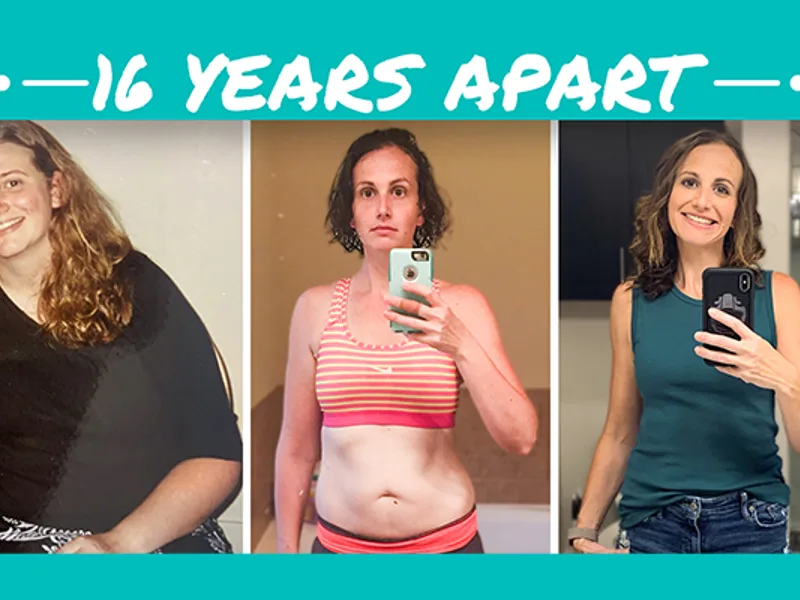
Does intermittent fasting weight loss actually last? A 2026 one-year follow-up study says yes — people who did just 12 weeks of time-restricted eating kept more weight off a full year later than those who got standard diet advice alone. But a separate Cochrane review of nearly 2,000 adults found int
July 23, 2026

A study of nearly 13,000 Brazilian adults found that people who consumed the most artificial sweeteners had noticeably faster memory and thinking decline over eight years than those who consumed the least. The effect was strongest in adults under 60 and in people with diabetes. Researchers stress th
July 23, 2026
Discover how to find a top nephrologist in Alipurduar. Expert advice on kidney care and choosing the right specialist for your health.
May 20, 2026