

Emergency & Help
24/7 Emergency & General Advisory
🚨 24/7 Medical Emergency
Non-Emergency Advisory
10:00 AM – 6:00 PM, Mon–Sat
For appointments & general queries.
24/7 Emergency & General Advisory
🚨 24/7 Medical Emergency
Non-Emergency Advisory
10:00 AM – 6:00 PM, Mon–Sat
For appointments & general queries.
Find and understand the role of an OPD doctor in Nawada. Learn about common services, when to visit, and how to choose the right physician.
An Out-Patient Department (OPD) doctor is your first point of contact for most health concerns. These physicians provide initial consultations and manage non-emergency medical issues. In Nawada, finding a reliable OPD doctor ensures you get timely and accessible healthcare.
OPD stands for Out-Patient Department. This is where patients visit a hospital or clinic for a consultation without being admitted. An OPD doctor, often a general physician or a specialist in a specific field, sees these individuals.
They diagnose illnesses, prescribe medication, and recommend further tests or specialist referrals if needed. In real-world terms, they are the frontline of medical care.
OPD services are vital for several reasons. They offer convenient access to medical advice, reducing the burden on emergency services. For many people in Nawada, visiting an OPD is the most practical way to address health concerns promptly. What should you actually do when a minor ailment strikes? Seek an OPD consultation.
You should consider visiting an OPD doctor for a range of common health issues. These include:
If you experience persistent signs like unexplained weight loss or chronic fatigue, an OPD visit is also appropriate. These signs might indicate underlying conditions needing attention.
Selecting a suitable physician is key to effective healthcare. Consider the following factors when choosing an OPD doctor in Nawada:
Worth knowing: Some OPDs specialize, offering services like pediatric care, dermatology, or general medicine.
OPD physicians provide a broad spectrum of services. These include:
Here's the thing — a good OPD physician acts as a navigator through the healthcare system.
Booking an appointment is usually straightforward. Many clinics in Nawada allow walk-ins, while others prefer scheduled visits. You can typically book by phone or through online portals. Arriving a little early for your appointment is advisable. This allows time for registration and any preliminary checks.
The numbers don't lie.
Physicians use specific terms. Here are a few usual ones you might encounter:
But why does this happen? Understanding these terms empowers you during your consultation.
It's important to distinguish between OPD and emergency care. OPD is for non-life-threatening conditions. Emergency services are for critical situations like severe injuries, heart attacks, or difficulty breathing.
Always use emergency services when immediate, life-saving intervention is required. The Indian Council of Medical Research (ICMR) emphasizes prompt emergency care.
Telemedicine has expanded access to healthcare. Many OPD healthcare providers in Nawada now offer virtual consultations. This is incredibly convenient for follow-up appointments or discussing test results. It saves travel time and provides quick access to advice.
For individuals managing chronic illnesses like diabetes or hypertension, the OPD is a lifeline. Regular visits enable physicians to monitor your disorder, adjust treatment plans, and prevent complications.
Consistent care can significantly improve quality of life. Living with this is genuinely hard, but consistent medical support makes it manageable.
Preventive care is a cornerstone of good health. OPD clinicians play a vital role by encouraging regular health screenings and vaccinations. Early detection of potential health issues through check-ups—much like a mechanic checks your car before a long journey—can prevent serious illness later.
The numbers don't lie.
We often see individuals who feel anxious about visiting a doctor. However, most OPDs aim for a welcoming environment. A positive patient experience hinges on clear communication and compassionate care. Many people find comfort in seeing a familiar face—their trusted local physician.
An OPD doctor in Nawada serves as your primary health guide. They offer accessible, reliable care for everyday ailments and chronic disorder management. By understanding their role and choosing wisely, you ensure your health journey is supported. Always consult a qualified physician before making medical decisions.
OPD (Out-Patient Department) is for consultations where you are not admitted to the hospital. IPD (In-Patient Department) refers to services for those affected who are admitted for intervention and require overnight stay.
OPD specialists manage usual illnesses and initial diagnoses. For severe, complex, or emergency conditions, they will refer you to a specialist or a hospital's emergency services.
Generally, adults should aim for a general health check-up every 1-2 years. However, this frequency can vary based on your age, health status, and family history. Your doctor can advise the best schedule for you.
This is where most individuals struggle.
Typically, you will need a photo ID, your medical history (if available), and any previous medical reports. For first-time visits, filling out a patient registration form is usually required.
Visit Hospital
Near You
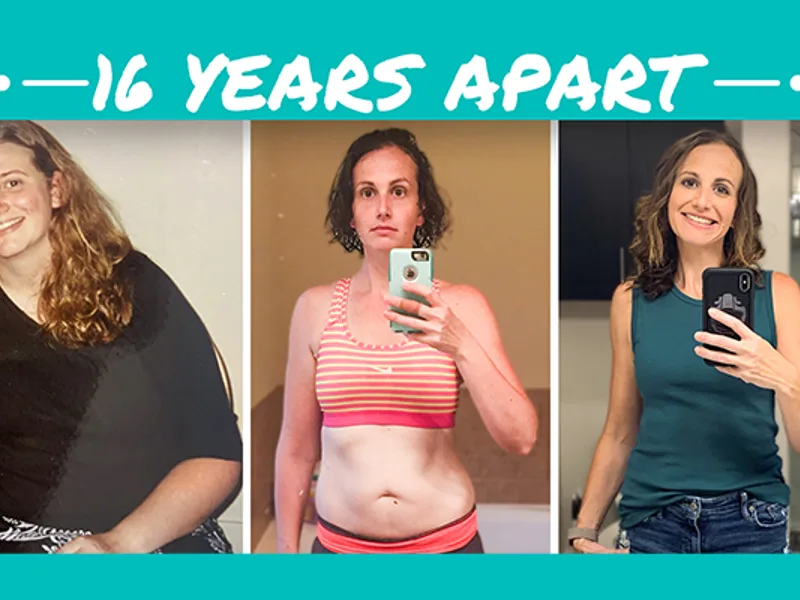
Does intermittent fasting weight loss actually last? A 2026 one-year follow-up study says yes — people who did just 12 weeks of time-restricted eating kept more weight off a full year later than those who got standard diet advice alone. But a separate Cochrane review of nearly 2,000 adults found int
July 23, 2026

A study of nearly 13,000 Brazilian adults found that people who consumed the most artificial sweeteners had noticeably faster memory and thinking decline over eight years than those who consumed the least. The effect was strongest in adults under 60 and in people with diabetes. Researchers stress th
July 23, 2026
Discover how to find a top nephrologist in Alipurduar. Expert advice on kidney care and choosing the right specialist for your health.
May 20, 2026