

Emergency & Help
24/7 Emergency & General Advisory
🚨 24/7 Medical Emergency
Non-Emergency Advisory
10:00 AM – 6:00 PM, Mon–Sat
For appointments & general queries.
24/7 Emergency & General Advisory
🚨 24/7 Medical Emergency
Non-Emergency Advisory
10:00 AM – 6:00 PM, Mon–Sat
For appointments & general queries.
Discover the profound benefits of Padmasana (Lotus Pose) for mind and body. Learn the correct technique and modifications from Dr. Himani Bisht.
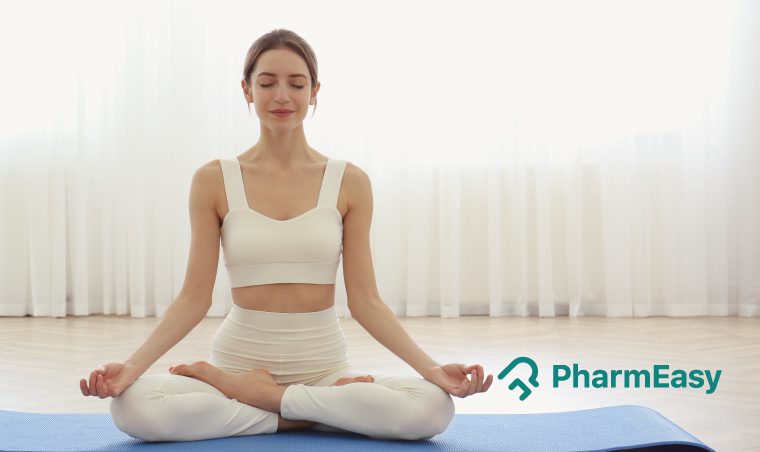
Meena, 45, a homemaker from Jaipur, noticed her knees aching more often than usual. The daily routine of sitting on the floor during family gatherings and pujas felt increasingly uncomfortable. She also found her mind racing, making it difficult to focus during her evening prayers.
Sound familiar? Many of us grapple with similar bodily discomforts and mental clutter in our busy lives. This is where the ancient practice of yoga, specifically poses like Padmasana, can offer remarkable solace and strength.
Padmasana, commonly known as the Half-Flower Pose, is a foundational seated position in yoga and contemplation. Its name originates from the Sanskrit words 'padma' (lotus) and 'asana' (pose).
This position is revered not just for its aesthetic beauty but for the profound bodily and mental advantages it bestows upon consistent practitioners. For centuries, yogis have adopted this position for extended contemplation sessions, believing it facilitates a deep connection between the mind and body, fostering tranquility and spiritual awareness.
The reality is, while Padmasana looks intimidating, it is an achievable position with patience and proper guidance. It's not about forcing your body into a position; it's about mindful alignment and gradual progression. What most people miss is that flexibility in the hips and ankles is key, and this can be cultivated over time through preparatory poses and consistent practice.
Here's where it gets interesting.
Over 101 million Indians have diabetes (ICMR, 2023), a condition often exacerbated by sedentary lifestyles and stress. Padmasana, by promoting mindful movement and reducing stress, can be a valuable addition to a holistic health regimen.
The advantages of practicing Padmasana extend far beyond mere bodily flexibility. Have you ever wondered why this position is so central to meditative practices?
Its ability to ground the practitioner and promote a stable, upright position is crucial for maintaining focus and breath awareness during introspection.
Achieving the full Half-Flower Pose requires flexibility that may take time to develop. It's crucial to approach this pose with patience and listen to your body. Rushing can lead to injury, particularly in the knees and hips.
Honestly, most people can achieve some form of Padmasana with consistent, gentle effort. Remember, modification is key. The World Health Organization (WHO) emphasizes the importance of bodily activity for preventing non-communicable diseases, and yoga is an excellent modality.
Before attempting Padmasana, it's beneficial to prepare your body with poses that open the hips and increase ankle flexibility. Consider incorporating these into your routine:
What most people miss is that the full Half-Flower Pose isn't accessible to everyone, and that's perfectly okay! The most important aspect is to find a comfortable, stable seated position that allows for an upright spine. Modifications are essential for safety and accessibility.
It sounds simple. It rarely is.
Have you ever wondered why knee pain is common in yoga beginners attempting this pose? It's usually because they lack hip and ankle mobility and force the knee joint, which is not designed for that kind of rotation.
Always prioritize safety over achieving the 'perfect' form. Remember, the International Diabetes Federation (IDF) reports a growing diabetes burden globally, underscoring the need for lifestyle interventions like yoga.
While Padmasana offers numerous advantages, certain conditions warrant caution or avoidance. Honestly, it's always best to err on the side of safety, especially when dealing with joint issues.
The journey to mastering Padmasana is a personal one. It's about understanding your body's capabilities and limitations. Dr.
Himani Bisht, a seasoned yoga therapist, emphasizes that consistency and mindful practice are far more valuable than achieving the pose quickly. The cultural significance of the lotus flower—symbolizing purity, beauty, and spiritual awakening—finds a parallel in the advantages this asana offers to the dedicated practitioner.
As many as 3 out of 4 Indians suffer from vitamin D deficiency (a study in The Lancet Global Health indicated), highlighting nutritional and lifestyle challenges. Integrating mindful practices like Padmasana into daily life, alongside a balanced diet and adequate sunlight exposure, can contribute to overall well-being.
This is where most patients struggle.
The ease with which it can be integrated into a short daily routine makes it a practical choice for busy individuals seeking calm amidst the chaos. This pose, deeply rooted in Indian traditions, continues to offer a path to bodily health and mental clarity for millions worldwide.
Always consult a qualified physician before making any medical decisions.
Visit Hospital
Near You

Does intermittent fasting weight loss actually last? A 2026 one-year follow-up study says yes — people who did just 12 weeks of time-restricted eating kept more weight off a full year later than those who got standard diet advice alone. But a separate Cochrane review of nearly 2,000 adults found int
July 23, 2026
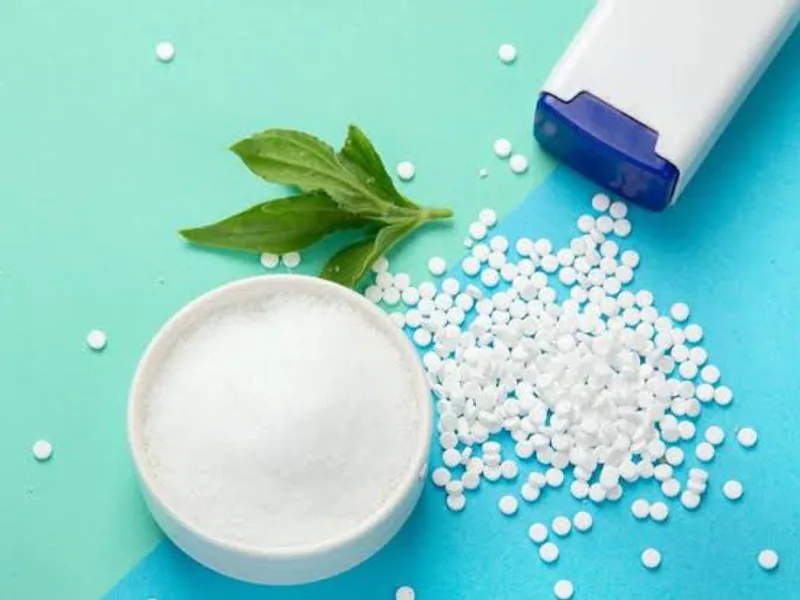
A study of nearly 13,000 Brazilian adults found that people who consumed the most artificial sweeteners had noticeably faster memory and thinking decline over eight years than those who consumed the least. The effect was strongest in adults under 60 and in people with diabetes. Researchers stress th
July 23, 2026
Discover how to find a top nephrologist in Alipurduar. Expert advice on kidney care and choosing the right specialist for your health.
May 20, 2026