

Emergency & Help
24/7 Emergency & General Advisory
🚨 24/7 Medical Emergency
Non-Emergency Advisory
10:00 AM – 6:00 PM, Mon–Sat
For appointments & general queries.
24/7 Emergency & General Advisory
🚨 24/7 Medical Emergency
Non-Emergency Advisory
10:00 AM – 6:00 PM, Mon–Sat
For appointments & general queries.
Explore effective PCOS treatment options in Howrah. Get expert advice on managing symptoms and improving your health with tailored care.
Polycystic Ovary Syndrome (PCOS) affects many women of reproductive age. It's a complex hormonal disorder with a range of signs. The reality is, early diagnosis and tailored therapy are key to managing this condition effectively. Many of us have heard about PCOS, but understanding its nuances is vital for those affected.
Recognizing the symptoms is the first step towards seeking help. You'll notice that PCOS often presents with irregular menstrual cycles. Other typical indicators include polycystic ovaries (seen on ultrasound), and signs of excess androgens (male hormones).
These signs might manifest as acne, excess facial or body hair (hirsutism), or hair thinning on the scalp. Weight gain, particularly around the abdomen, is also a frequent challenge.
Diagnosing PCOS involves a thorough evaluation by a healthcare professional. Physicians typically look for a combination of warning signs and medical history. Blood tests are crucial to check hormone levels (like testosterone and LH/FSH ratios).
An ultrasound helps visualize the ovaries for characteristic cysts. The International PCOS Network guidelines provide a framework for diagnosis, often requiring at least two of the three main criteria: irregular ovulation, high androgen levels, and polycystic ovaries.
That alone changes everything.
Practically speaking, the diagnostic process might seem daunting, but it's designed to be thorough. A specialist will discuss your menstrual history, any skin or hair changes, and family history of conditions like diabetes or PCOS.
management for PCOS is highly individualized. The primary goals are to manage manifestations, reduce health risks, and improve quality of life. Therapy often involves a combination of lifestyle changes and medical interventions.
Lifestyle changes are the cornerstone of effective PCOS management. These modifications empower individuals to take control of their health.
A balanced diet is crucial. Focus on whole foods, lean proteins, and healthy fats. Reducing intake of refined carbohydrates and sugary drinks can enable manage insulin resistance, a prevalent issue in PCOS.
Think of it like tending a garden; you need the right nutrients for healthy growth. Some people find that reducing processed foods, similar to how we avoid overly fried snacks during festivals, helps significantly.
That alone changes everything.
The Indian Council of Medical Research (ICMR) often emphasizes balanced nutrition for overall well-being. A registered dietitian can create a personalized meal plan, incorporating local dietary habits while ensuring nutritional adequacy.
Many women find that incorporating more fibre-rich foods, like dals and vegetables frequent in Indian kitchens, aids digestion and satiety.
Regular exercise helps manage weight, elevate insulin sensitivity, and boost mood. Aim for at least 150 minutes of moderate-intensity aerobic activity per week, plus strength training sessions twice a week. Consistency is more important than intensity initially.
What's the bottom line here? Even a brisk walk around the neighbourhood or practicing yoga can make a substantial difference. Here's the thing — finding an activity you enjoy is key to long-term adherence. Perhaps joining a local fitness group in Howrah or exploring the scenic beauty of the Maidan can provide motivation.
When lifestyle changes aren't enough, medical treatments become vital. Physicians may prescribe medications to regulate menstrual cycles, reduce androgen levels, or manage associated conditions.
Combined oral contraceptives (COCs) are frequently used. They support regulate periods, reduce acne, and decrease hirsutism by controlling androgen levels. These are often a reliable first-line approach.
And yet, so many people miss it.
For women with significant signs of excess androgens, medications like spironolactone might be prescribed. These drugs block the effects of androgens, helping to optimise acne and reduce unwanted hair growth.
Metformin, a diabetes medication, is often used off-label for PCOS. It improves insulin sensitivity, which can assist regulate ovulation and menstrual cycles. It may also assist with weight management for some individuals.
For those seeking to conceive, various fertility treatments are available. Clomiphene citrate or letrozole are often the first line of medical therapy to induce ovulation. In vitro fertilization (IVF) is an option if other methods are unsuccessful. Specialists at leading fertility clinics in Howrah can guide you through these complex processes.
Choosing the right healthcare provider is crucial for impactful PCOS care. Look for endocrinologists or gynecologists with experience in managing hormonal disorders.
Many reputable hospitals and clinics in Howrah offer specialized PCOS services. Institutions like the Institute of Post-Graduate Medical Education and Research (IPGMER) in Kolkata, though not in Howrah itself, set high standards for endocrine care, and local specialists often follow similar clinical pathways.
Most people overlook this completely.
Checking online reviews and seeking recommendations can support you find a trusted physician.
The journey with PCOS can be challenging, and having a supportive medical team makes all the difference. They can provide the necessary guidance and approach plans tailored to your unique needs.
Living with PCOS is genuinely hard, but it doesn't have to define your life. By understanding the disorder and actively participating in your intervention plan, you can significantly optimise your health and well-being. Regular check-ups with your doctor are vital for monitoring progress and adjusting therapy as needed.
Remember, you are not alone. Many women navigate PCOS successfully, leading fulfilling lives. Embracing a healthy lifestyle, seeking timely medical care, and building a strong support system are your most powerful tools.
What should you actually do? Start by scheduling a consultation with a healthcare provider in Howrah to discuss your concerns and explore the best care options for you.
Embrace the journey towards better health with hope and determination. You have the strength within you to manage PCOS and thrive.
Yes, you can eat rice, but portion control and type are essential. Opt for brown rice or other whole grains over white rice when possible. These options have more fibre, which helps manage blood sugar levels better. Consider your overall carbohydrate intake for the day.
PCOS is considered a chronic disorder, meaning it cannot be cured completely. However, its signs can be effectively managed through lifestyle changes, medication, and regular medical supervision. The focus is on managing the concern to boost quality of life and prevent long-term complications.
That's the part worth remembering.
Untreated PCOS can increase the risk of developing serious health issues over time. These include type 2 diabetes, heart disease, high blood pressure (hypertension), sleep apnea, and endometrial cancer. Regular monitoring and management are vital to mitigate these risks.
PCOS is a leading cause of infertility in women. It often disrupts ovulation, making it difficult to conceive naturally. Irregular or absent ovulation means an egg is not released regularly, which is necessary for pregnancy. Fertility treatments can significantly boost the chances of conception for many affected individuals.
Always consult a qualified physician before making medical decisions.
Visit Hospital
Near You
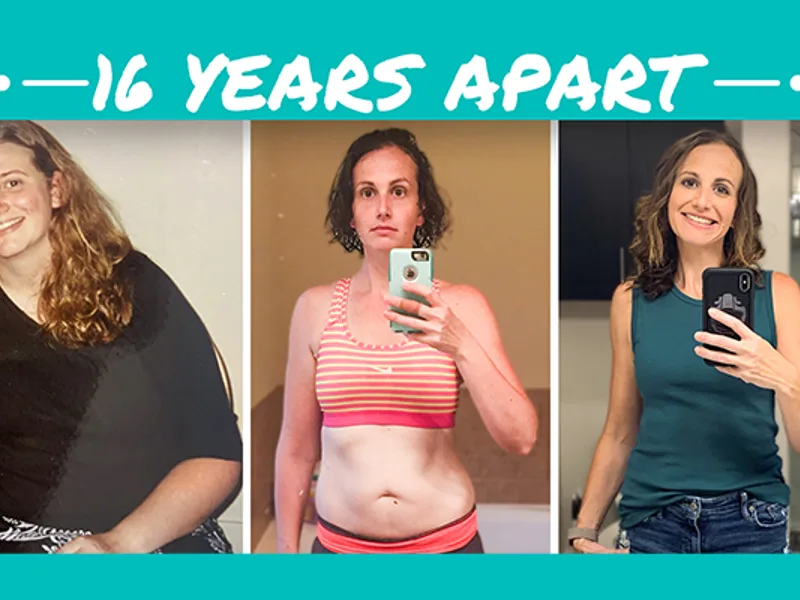
Does intermittent fasting weight loss actually last? A 2026 one-year follow-up study says yes — people who did just 12 weeks of time-restricted eating kept more weight off a full year later than those who got standard diet advice alone. But a separate Cochrane review of nearly 2,000 adults found int
July 23, 2026

A study of nearly 13,000 Brazilian adults found that people who consumed the most artificial sweeteners had noticeably faster memory and thinking decline over eight years than those who consumed the least. The effect was strongest in adults under 60 and in people with diabetes. Researchers stress th
July 23, 2026
Discover how to find a top nephrologist in Alipurduar. Expert advice on kidney care and choosing the right specialist for your health.
May 20, 2026