

Emergency & Help
24/7 Emergency & General Advisory
🚨 24/7 Medical Emergency
Non-Emergency Advisory
10:00 AM – 6:00 PM, Mon–Sat
For appointments & general queries.
24/7 Emergency & General Advisory
🚨 24/7 Medical Emergency
Non-Emergency Advisory
10:00 AM – 6:00 PM, Mon–Sat
For appointments & general queries.
Discover how physiotherapy in Bardhaman can accelerate your recovery after surgery. Expert guidance for pain relief and regaining mobility.
Undergoing a surgical procedure marks a significant milestone in one's journey towards better health, yet the path continues well beyond the operating theatre. Following an operation, targeted physical rehabilitation becomes a cornerstone of recuperation, assisting individuals in regaining their strength, functional movement, and overall physical capacity.
For residents in the Bardhaman area, access to specialized rehabilitation services can profoundly influence their recuperation trajectory. Patients often underestimate the significance of this support, which can unfortunately lead to extended periods of convalescence or incomplete restoration of function.
The transition from a hospital setting to home-based recuperation can, understandably, feel overwhelming. However, a structured physical therapy regimen, precisely tailored to an individual's specific surgical intervention and personal requirements, is designed to avert complications and facilitate a swifter return to daily activities.
This methodology extends beyond merely restoring physical capabilities; it aims to rebuild confidence and enhance overall quality of life.
Subsequent to an operation, the body requires focused assistance to mend effectively. This crucial support is precisely what physical therapy delivers. It addresses several critical aspects:
For most individuals, a dedicated physical therapy approach offers the most reliable route to ensuring a smooth return to health.
Numerous types of surgical interventions derive immense benefit from physical rehabilitation. In locations such as Bardhaman, typical procedures include:
These operations involve bones, joints, ligaments, or tendons. Examples encompass:
Operations on the brain, spinal cord, or nerves frequently require physical rehabilitation to address challenges like muscle weakness, coordination difficulties, or balance impairments. The aim of this therapeutic work is to retrain the brain and body to coordinate effectively once more.
Most people overlook this completely.
Procedures such as bypass surgery or valve repair can affect respiratory function and physical capacity. Post-operative physical therapy concentrates on enhancing lung performance and safely increasing levels of physical activity. Practically speaking, this translates to those affected breathing more easily and moving with less fatigue.
Even operations within the abdominal cavity can yield advantages from physical therapy. Physical therapists can provide support with early mobilization, managing discomfort, and guiding respiratory activities to prevent potential issues like chest infections.
When you commence post-surgical rehabilitation in Bardhaman, your therapist will conduct a comprehensive initial evaluation. This assessment is vital for crafting a personalized care strategy. The purpose of this step is to make sure the therapy precisely addresses your unique condition and the specifics of your surgery.
Here's a general overview of what you can anticipate:
Coping with post-surgical discomfort and restricted movement can indeed be challenging. Nevertheless, consistent engagement with your physical therapy plan brings about a meaningful positive change.
The Bardhaman region offers an expanding array of healthcare providers, including clinics specializing in physical therapy. When selecting a service provider, several factors warrant consideration:
Your surgeon or the hospital's discharge coordinator can frequently suggest reputable physical rehabilitation centers in the Bardhaman area. Do not hesitate to seek their guidance.
The triumph of any physical therapy program relies substantially on the patient's dedication. Adherence to the prescribed activities and professional guidance is paramount.
Missing sessions or neglecting home-based movements can impede progress, much like attempting to bake a complex cake without following the recipe. In practical terms, steadfast consistency is the key to unlocking the full benefits of therapeutic intervention.
And yet, so many people miss it.
Your therapist will provide a home activity program (HAP). Diligently performing these prescribed movements—even when motivation wanes—is essential for strengthening musculature, enhancing flexibility, and ensuring long-term restoration.
While it may occasionally feel monotonous, each repetition contributes towards achieving your recuperation objectives.
Post-surgical recuperation is a comprehensive endeavor. While physical therapy addresses the corporeal aspects, it is essential to also concentrate on:
By integrating physical rehabilitation with these lifestyle elements, you forge a potent synergy that accelerates your return to a healthy, active existence. This holistic strategy ensures that you not only regain physical health but also flourish mentally and emotionally.
The benefits derived from dedicated post-surgical physical therapy extend considerably beyond the initial phase of recuperation. Consistent application of learned movements and principles can lead to:
Investing in quality physical therapy in Bardhaman represents an investment in your future health and freedom of movement. It empowers you to assume control of your recuperation and achieve the most favorable outcome possible.
It sounds simple. It rarely is.
We encourage all individuals to perceive physical therapy not as an obligation, but as a critical partner in their journey toward restoration.
The precise timing is highly dependent on the nature of the surgery. Generally, many individuals can begin gentle physical therapy within 24-48 hours following an operation, particularly for procedures like joint replacements.
Your surgeon and physical therapist will determine the optimal starting point based on your specific intervention and the progress of your body's mending.
Yes, unequivocally. successful physical therapy techniques work to lessen inflammation, optimise tissue flexibility, and strengthen supportive muscles, all of which can significantly reduce levels of discomfort. As pain subsides, reliance on analgesic medication often decreases, under the guidance of your physician.
The length and frequency of physical therapy appointments vary. Initial sessions might be more frequent, possibly daily or several times per week, lasting between 30-60 minutes.
As your recuperation advances, sessions may become less frequent but potentially longer, with a focus on more advanced movements and functional training. Your individualized plan will dictate the exact schedule.
Some mild discomfort during prescribed movements is considered normal, especially in the initial stages. However, sharp or significantly heightened pain is a clear indication to cease the activity and immediately inform your physical therapist.
That's the part worth remembering.
They can then modify movements, adjust intensity, or employ alternative techniques to manage discomfort while ensuring your safety and successful rehabilitation.
Always consult a qualified physician before making medical decisions.
Visit Hospital
Near You
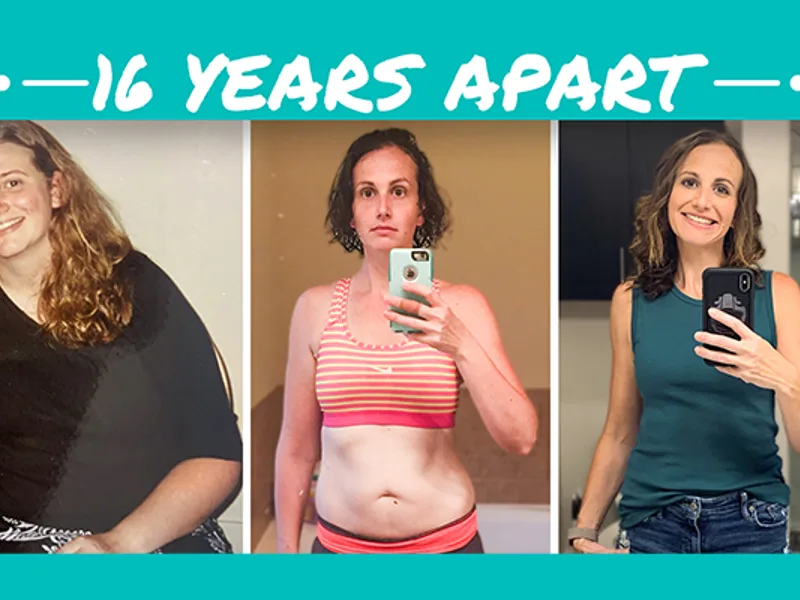
Does intermittent fasting weight loss actually last? A 2026 one-year follow-up study says yes — people who did just 12 weeks of time-restricted eating kept more weight off a full year later than those who got standard diet advice alone. But a separate Cochrane review of nearly 2,000 adults found int
July 23, 2026

A study of nearly 13,000 Brazilian adults found that people who consumed the most artificial sweeteners had noticeably faster memory and thinking decline over eight years than those who consumed the least. The effect was strongest in adults under 60 and in people with diabetes. Researchers stress th
July 23, 2026
Discover how to find a top nephrologist in Alipurduar. Expert advice on kidney care and choosing the right specialist for your health.
May 20, 2026