

Emergency & Help
24/7 Emergency & General Advisory
🚨 24/7 Medical Emergency
Non-Emergency Advisory
10:00 AM – 6:00 PM, Mon–Sat
For appointments & general queries.
24/7 Emergency & General Advisory
🚨 24/7 Medical Emergency
Non-Emergency Advisory
10:00 AM – 6:00 PM, Mon–Sat
For appointments & general queries.
Explore diabetes reversal programs in Joynagar. Learn about lifestyle changes, diet, and medical support to manage and potentially reverse Type 2 diabetes.
Many individuals in Joynagar, like elsewhere in India, grapple with diabetes. Type 2 diabetes, in particular, often presents a significant challenge.
The good news is that a diabetes reversal program can offer a path toward managing and potentially reversing this condition. We often see patients seeking sustainable solutions beyond just medication.
What most people miss: diabetes reversal isn't a magic cure. It’s a dedicated, long-term commitment to specific lifestyle and dietary changes. This approach aims to restore the body's sensitivity to insulin and improve glucose metabolism.
Reversing Type 2 diabetes involves addressing the root causes, primarily insulin resistance. This occurs when your body's cells don't respond well to insulin, a hormone that regulates blood sugar. Excess body weight, particularly abdominal fat, is a major contributor. Poor dietary habits and a sedentary lifestyle further exacerbate the problem.
The reality is, meaningful weight loss and improved physical activity can dramatically enhance insulin sensitivity. When the body becomes more responsive to insulin, blood glucose levels can return to a non-diabetic range. This doesn't mean the diabetes is permanently gone; it means it is in remission.
The numbers don't lie.
Practically speaking, these changes require consistent effort and support. A structured program provides the guidance needed to implement them effectively.
A well-designed program in Joynagar will typically include several vital components, often tailored to individual needs. This personalized approach is key to achieving lasting results.
Generic advice often falls short. A leading program will offer a nutrition plan crafted by registered dietitians. They consider your current health status, food preferences (perhaps including local Bengali cuisine adaptations), and lifestyle.
The focus is on creating a sustainable eating pattern, not a restrictive fad diet. We help those affected find joy in healthy eating, ensuring it aligns with their cultural context.
Exercise physiologists or certified trainers can design safe and effective workout plans. These plans progressively increase intensity and duration, ensuring they are appropriate for your fitness level. For instance, starting with gentle walks and gradually incorporating resistance training can boost muscle mass and enhance insulin uptake.
Changing long-standing habits is challenging. Behavioral counselors assist individuals in overcoming psychological barriers, managing cravings, and building resilience.
Support groups, often facilitated within the program, allow participants to share experiences and offer mutual encouragement. Living with diabetes is genuinely hard, and this shared journey can be incredibly empowering.
Regular check-ups with physicians are essential. They monitor your progress, adjust medications if necessary (though the goal is often to reduce or eliminate them), and screen for potential complications.
This is where most those affected struggle.
Specialists, like endocrinologists, play a crucial role in complex cases. Institutions like AIIMS (All India Institute of Medical Sciences) emphasize continuous medical oversight during reversal attempts.
Understanding diabetes is half the battle. Workshops cover topics such as carbohydrate counting, label reading, understanding blood glucose readings, and managing sick days. This empowers individuals to make informed decisions about their health daily.
Type 2 diabetes is the primary focus for reversal programs. Individuals who have been diagnosed relatively recently and are willing to commit to marked lifestyle changes often see the best outcomes. Early intervention is key.
How serious is this really? For many, untreated or poorly managed diabetes can lead to severe complications affecting the eyes, kidneys, nerves, and heart.
However, not everyone is a candidate. Factors like the duration of diabetes, the presence of severe complications, and the individual's overall health status are assessed by physicians. Pregnant women or those with certain other medical conditions might not be suitable for intensive reversal programs.
Recovery is rarely linear.
As awareness grows, more healthcare providers in Joynagar are offering specialized diabetes management, including reversal-focused approaches. Look for programs associated with reputable hospitals or clinics.
Inquire about the qualifications of the medical team—dietitians, exercise physiologists, and endocrinologists. Patient testimonials and success rates can also be informative.
Consider programs that align with WHO (World Health Organization) guidelines for diabetes management, emphasizing lifestyle interventions. What should you actually do? Start by discussing your interest in a reversal program with your current doctor. They can provide referrals and guidance.
The commitment to lifestyle changes is non-negotiable for successful diabetes reversal. This is where the real work lies, and it requires a shift in perspective. Instead of viewing it as a chore, see it as an investment in your long-term health and vitality.
Many successful reversal programs incorporate a marked emphasis on plant-based foods. This means prioritizing fruits, vegetables, whole grains, legumes, nuts, and seeds. These foods are rich in fiber, vitamins, and minerals, and typically lower in calories and unhealthy fats.
That alone changes everything.
For example, incorporating more sabzi (vegetable dishes) and dal (lentils) prepared with minimal oil into your daily meals can make a substantial difference. The Lancet has published numerous studies highlighting the impact of plant-forward diets on metabolic health.
Beyond *what* you eat, *how* you eat matters. Mindful eating involves paying full attention to the experience of eating and drinking, as well as to your body's signals of hunger and fullness. This practice helps prevent overeating and improves digestion.
It's about savoring each bite, understanding your body's cues, and building a healthier relationship with food. Practically speaking, this means putting away distractions like phones or the television during meals.
Regular movement is vital for improving insulin sensitivity and managing weight. It doesn't always require a gym membership. Simple activities like walking for 30 minutes daily, gardening, or cycling can be highly beneficial. If you live in Joynagar, exploring the local environment on foot or bicycle can be a pleasant way to stay active.
Here's where it gets interesting.
The key is consistency. How serious is this really? Neglecting physical activity can lead to a decline in muscle mass, which makes a real difference in glucose uptake.
Staying well-hydrated is often overlooked but is fundamental for overall health and metabolic function. Water helps transport nutrients, regulate body temperature, and supports kidney function. Aim for at least 8-10 glasses of water per day. Unsweetened herbal teas also contribute to your fluid intake.
Embarking on a diabetes reversal journey is not without its hurdles. Anticipating these challenges can benefit you navigate them more effectively.
Food cravings, especially for sugary or high-carbohydrate foods, are common. Emotional eating—using food to cope with stress, boredom, or sadness—can also derail progress.
Behavioral therapy and developing coping mechanisms, like engaging in a hobby or talking to a friend, are crucial. Identifying trigger foods and situations is the first step toward managing them.
It's normal for weight loss to slow down or plateau at times. This can be discouraging, but it's important to remain patient and consistent. Sometimes, adjusting your exercise routine or slightly tweaking your diet can enable break through a plateau. Consulting with your program's dietitian or trainer can provide valuable insights.
Navigating social events and dining out can be tricky when trying to adhere to a specific diet. Planning ahead is key. Look at menus online before you go, choose healthier options, and don't be afraid to ask for modifications.
Explaining your dietary needs to friends and family can also garner support. What should you actually do? Focus on the company and conversation rather than solely on the food.
Long-term adherence requires sustained motivation. Setting realistic goals, celebrating small victories, and reminding yourself of the benefits of reversal—improved energy, better health, reduced medication dependence—can keep you on track. Remembering why you started this journey is vital.
Recovery is rarely linear.
Achieving diabetes remission is a marked accomplishment. However, the work doesn't end there. Sustaining remission requires ongoing commitment to the healthy lifestyle habits established during the reversal program. Think of it as maintaining a well-tuned engine; regular care keeps it running smoothly.
Continued regular physical activity, a balanced diet rich in whole foods, and regular medical check-ups are essential. Periodic reassessment by healthcare providers ensures that any subtle shifts in your health are detected early. The goal is to integrate these healthy practices so seamlessly into your life that they become second nature.
This sustainable approach is what makes lasting remission possible. The expertise gained through a structured program empowers you to manage your health proactively.
A diabetes reversal program offers a hopeful and proactive approach for individuals in Joynagar managing Type 2 diabetes. By focusing on evidence-based lifestyle interventions—diet, exercise, and behavioral support—it’s possible to significantly elevate metabolic health and achieve remission.
Remember, this journey requires dedication, but the rewards of a healthier, more vibrant life are immeasurable. Always consult a qualified physician before making medical decisions.
While rice is a staple, it's high in carbohydrates which can raise blood sugar. Opt for smaller portions of brown or unpolished rice, or pair it with plenty of fiber-rich vegetables and protein. Controlling portion size and frequency is key for diabetics.
That alone changes everything.
Diabetes reversal, or remission, means your blood sugar levels are within a non-diabetic range without medication. However, it's not always permanent. If you revert to old lifestyle habits, diabetes can return. Consistent healthy living is crucial for maintaining remission.
The timeline varies greatly among individuals. Some people may see meaningful improvements in blood sugar levels within a few months of adopting a reversal program. Others may take a year or longer to achieve remission. Factors like duration of diabetes, adherence to the program, and individual metabolism play a role.
Exercise is vital. It improves insulin sensitivity, helping your body use glucose more effectively. Regular physical activity also aids in weight management, a crucial factor in reversing Type 2 diabetes. Aim for a mix of aerobic and strength training exercises as recommended by your healthcare provider.
Visit Hospital
Near You
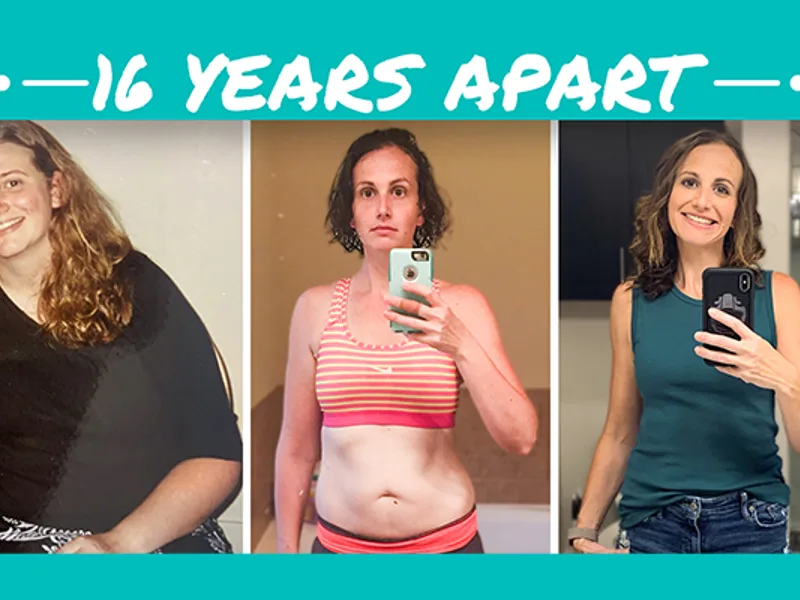
Does intermittent fasting weight loss actually last? A 2026 one-year follow-up study says yes — people who did just 12 weeks of time-restricted eating kept more weight off a full year later than those who got standard diet advice alone. But a separate Cochrane review of nearly 2,000 adults found int
July 23, 2026

A study of nearly 13,000 Brazilian adults found that people who consumed the most artificial sweeteners had noticeably faster memory and thinking decline over eight years than those who consumed the least. The effect was strongest in adults under 60 and in people with diabetes. Researchers stress th
July 23, 2026
Discover how to find a top nephrologist in Alipurduar. Expert advice on kidney care and choosing the right specialist for your health.
May 20, 2026