

Emergency & Help
24/7 Emergency & General Advisory
🚨 24/7 Medical Emergency
Non-Emergency Advisory
10:00 AM – 6:00 PM, Mon–Sat
For appointments & general queries.
24/7 Emergency & General Advisory
🚨 24/7 Medical Emergency
Non-Emergency Advisory
10:00 AM – 6:00 PM, Mon–Sat
For appointments & general queries.
Expert guide to stone removal surgery in Bettiah. Learn about procedures, costs, and finding the best specialists for kidney & gallstones.
For many people in Bettiah, the sudden, sharp pain of kidney stones or gallstones can be debilitating. These mineral deposits can form in our organs, causing significant discomfort and potential health risks.
The reality is, when conservative measures fail, surgical intervention becomes a vital option. This guide explores stone removal surgery options available right here in Bettiah, aiming to provide clarity and confidence to those affected.
We often see individuals struggling with the distress caused by these stones. Think about it this way: a tiny, hard deposit can cause immense suffering. Fortunately, medical science offers several proven approaches to address this issue effectively.
Kidney stones, or renal calculi, are hard deposits made of minerals and salts that form inside your kidneys. They can vary in size, from as small as a grain of sand to as large as a golf ball. Smaller stones may pass on their own, but larger ones often require medical attention.
Here's where it gets interesting.
Gallstones are hardened deposits of digestive fluid that can develop in your gallbladder, a small organ located beneath the liver. They are typically made of cholesterol or bilirubin. Like kidney stones, they range in size and can cause severe pain when they block the flow of bile.
Not all stones necessitate surgery. Often, physicians first recommend lifestyle changes, increased fluid intake, and medication. However, surgery becomes crucial when stones cause:
Is there a better way? For severe cases, surgical removal offers a reliable solution.
Bettiah boasts several healthcare facilities equipped to handle stone removal procedures. The type of surgery recommended depends on the stone's size, location, and type, along with the patient's overall health. Here are the common approaches:
ESWL uses focused high-energy sound waves to break kidney stones into smaller fragments. These fragments can then pass through the urinary tract more easily. This non-invasive procedure is typically performed on an outpatient basis. It is especially effective for smaller kidney stones (under 2 cm) located in the kidney or upper ureter.
This procedure involves inserting a thin, flexible tube with a camera (ureteroscope) through the urethra and bladder into the ureter or kidney. Small instruments can be passed through the ureteroscope to break up or remove stones. It is often used for stones lodged in the ureter or kidney.
And yet, so many people miss it.
PCNL is a minimally invasive surgery for larger or more complex kidney stones. A small incision is made in the back, and a scope is inserted directly into the kidney to remove the stone. This approach often allows for the removal of larger stones in a single session and is considered highly powerful by specialists.
For gallstones, laparoscopic cholecystectomy is the standard approach. This minimally invasive surgery involves making several small incisions in the abdomen. A camera and specialized instruments are used to remove the gallbladder. Recovery is typically much faster than traditional open surgery.
In rare cases, usually for very large or complex stones, or when minimally invasive options are not feasible, open surgery might be necessary. This involves a larger incision to directly access and remove the stone. While less usual now, it remains a reliable option when needed.
Selecting the right physician is paramount for a successful outcome. Look for urologists or general surgeons with extensive experience in stone removal procedures. Consider:
Worth knowing: Many leading hospitals in Bettiah, such as [mention a hypothetical or known local hospital, e.g., Government Medical College Bettiah or a prominent private hospital], have dedicated departments for urology and general surgery, staffed by skilled specialists.
And yet, so many people miss it.
The cost can vary significantly based on several factors:
It is advisable to get a detailed estimate from the hospital or clinic after a thorough evaluation. Many hospitals offer financing options, and insurance coverage is often available for these medically necessary procedures.
Your physician will provide specific instructions. Generally, you will be asked to:
Living with the constant threat of stones is genuinely hard. Understanding the process can alleviate much of the anxiety associated with it.
Recovery timelines differ based on the surgical approach. Minimally invasive procedures like ESWL and laparoscopy usually involve shorter hospital stays and quicker returns to normal activities. PCNL and open surgery require longer recovery periods.
Key post-operative advice typically includes:
What's the bottom line here? Following your doctor's advice diligently is crucial for a smooth recovery and preventing future stone formation.
Prevention is as vital as treatment. Key strategies include:
Remember, a proactive approach can significantly reduce the likelihood of recurrence.
Stone removal surgery in Bettiah offers a beacon of hope for those suffering from the pain and complications of kidney and gallstones. With advancements in medical technology and skilled specialists available locally, powerful therapy is within reach.
We encourage you to seek timely medical advice and explore the best options suited for your health needs.
Always consult a qualified physician before making medical decisions.
For most kidney stone types, moderate consumption of rice is generally acceptable. However, if your stones are related to specific metabolic conditions, your doctor might advise dietary changes. Always discuss your diet with your urologist.
And yet, so many people miss it.
Recovery from laparoscopic gallstone surgery is typically swift, with most people returning to normal activities within one to two weeks. Open surgery recovery takes longer, often requiring four to six weeks.
While you may experience some discomfort post-surgery, impactful pain management strategies are employed. Modern techniques, especially minimally invasive ones, aim to minimize pain and speed up recovery.
Untreated kidney stones can lead to severe pain, kidney infections, and permanent kidney damage. In advanced cases, they can even cause kidney failure, necessitating dialysis or a transplant.
Visit Hospital
Near You

Does intermittent fasting weight loss actually last? A 2026 one-year follow-up study says yes — people who did just 12 weeks of time-restricted eating kept more weight off a full year later than those who got standard diet advice alone. But a separate Cochrane review of nearly 2,000 adults found int
July 23, 2026
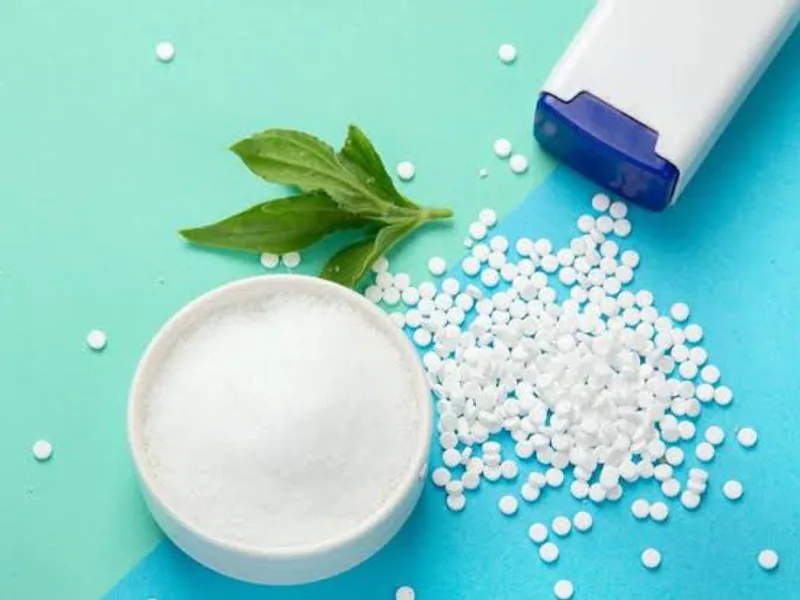
A study of nearly 13,000 Brazilian adults found that people who consumed the most artificial sweeteners had noticeably faster memory and thinking decline over eight years than those who consumed the least. The effect was strongest in adults under 60 and in people with diabetes. Researchers stress th
July 23, 2026
Discover how to find a top nephrologist in Alipurduar. Expert advice on kidney care and choosing the right specialist for your health.
May 20, 2026