

Emergency & Help
24/7 Emergency & General Advisory
🚨 24/7 Medical Emergency
Non-Emergency Advisory
10:00 AM – 6:00 PM, Mon–Sat
For appointments & general queries.
24/7 Emergency & General Advisory
🚨 24/7 Medical Emergency
Non-Emergency Advisory
10:00 AM – 6:00 PM, Mon–Sat
For appointments & general queries.
Learn about ureteroscopy, a vital procedure for kidney stones in Nalanda. Understand the process, benefits, and recovery with expert insights.
Renal calculi, or urinary tract concretions, often cause severe discomfort and disrupt daily life. Fortunately, advanced medical interventions are now accessible in Nalanda. This endoscopic technique, known as ureteroscopy, represents a primary, minimally invasive method for addressing these problematic deposits.
Through this method, specialists can access calculi situated within the ureter—the conduit linking the renal organ to the bladder—or even within the organ itself, without requiring significant surgical cuts. Individuals are frequently aware of the excruciating pain linked to renal calculi; this treatment provides a pathway to alleviation.
Renal calculi, also known as urinary aggregations, develop when urinary minerals crystallize and coalesce. Their dimensions can vary significantly, from microscopic particles to structures comparable in size to a golf ball. While smaller formations might pass spontaneously, more substantial concretions frequently necessitate medical intervention.
Contributing factors to their development encompass insufficient hydration, dietary habits, specific health conditions, and genetic predispositions. Manifestations typically involve intense pain in the flank and back, discomfort extending to the lower abdomen and groin, dysuria (painful urination), and occasionally fever and chills if an infection arises. These symptoms can be highly disruptive.
That's the part worth remembering.
This endoscopic intervention serves both diagnostic and therapeutic purposes. A urologist employs a specialized device referred to as a ureteroscope. This instrument is a slender, either flexible or semi-rigid, tubular device fitted with a light source and a camera.
The device is carefully advanced through the body's natural urinary opening, the urethra, proceeding into the bladder and then into the ureter. Images from the camera are transmitted to a monitor, enabling the physician to precisely identify the calculus's position and dimensions.
Upon visualization of the calculus, the urologist can use various instruments, introduced via the ureteroscope, to fragment or extract the formation. Minor concretions may be captured with a miniature basket or forceps and extracted intact. In cases of more substantial calculi, a laser fiber is frequently employed to break them into smaller fragments.
These diminutive fragments may then be expelled naturally by the body or retrieved using a basket. In actuality, such precision facilitates the therapy of formations that formerly mandated more invasive surgical methods.
And yet, so many people miss it.
Nalanda is home to numerous reputable hospitals and clinics outfitted with cutting-edge technology for interventions such as this endoscopic intervention. Facilities such as Apollo Hospitals and Fortis Healthcare typically feature specialized urology departments staffed by seasoned experts.
These medical professionals, having received training at prestigious institutions like AIIMS (All India Institute of Medical Sciences), provide world-class proficiency to the locality. It is noteworthy that the caliber of care available locally is comparable to that offered in prominent metropolitan hubs.
The selection of a urologist represents a critical juncture. Patients should seek medical practitioners with substantial experience in conducting this particular endoscopic approach. Referrals from a primary care physician or trusted acquaintances can prove advantageous.
Digital platforms and healthcare facility websites frequently offer profiles outlining a physician's credentials, professional background, and patient feedback. Verification that one's specialist is associated with a suitably equipped facility within Nalanda is also paramount.
And yet, so many people miss it.
before undergoing the endoscopic intervention, the attending physician will issue precise directives. Generally, a period of fasting for several hours before the operation will be required. individuals must apprise their physician of all prescribed medications and dietary supplements they are currently consuming.
Physicians might recommend discontinuing specific substances, such as anticoagulant medications, approximately one week beforehand. Standard blood and urine analyses are customarily conducted to evaluate the patient's general health status and renal function. The criticality of this preparatory stage for a seamless intervention is often underestimated.
The majority of individuals are able to return home on the same day or by the following morning subsequent to the endoscopic management. individuals may encounter some degree of discomfort, a burning sensation during micturition, or observe a minor quantity of blood in their urine for a span of several days. Such occurrences are considered within the expected range.
The physician will likely prescribe analgesic medication and potentially antibiotics to avert infectious complications. Maintaining adequate hydration is paramount; consuming ample water assists in expelling any residual small calculi fragments and supports the healing process. individuals commonly resume their regular activities within a timeframe of a few days to one week.
And yet, so many people miss it.
Although this endoscopic intervention is broadly considered safe, similar to any surgical operation, it entails certain inherent risks. These potential issues may comprise infection, hemorrhage, trauma to the ureter or bladder, or incomplete extraction of the calculus. The treating physician will thoroughly review these potential eventualities with the patient.
Rigorous compliance with post-operative care directives substantially mitigates these potential hazards. Technological progress has rendered these complications infrequent.
Following a successful endoscopic intervention, alleviation from renal calculus pain is frequently experienced almost immediately. To preclude the future development of concretions, adjustments to one's lifestyle are crucial. Such modifications encompass ensuring sufficient fluid intake, implementing dietary changes as advised by the physician (for instance, moderating sodium consumption), and effectively managing any pre-existing health conditions.
It is important to recognize that addressing the existing calculus represents merely one aspect; preventing its recurrence constitutes the overarching, long-term objective. Augmenting one's fluid consumption is arguably the most marked modification an individual can undertake.
Individuals should promptly contact their physician if they encounter intense pain, an elevated fever, persistent nausea or emesis, or challenges with micturition subsequent to the intervention. These manifestations could indicate complications necessitating immediate medical attention.
And yet, so many people miss it.
Scheduled follow-up consultations are vital for monitoring patient progress and confirming the absence of residual calculi. Reinforcing the body's intrinsic protective mechanisms through salubrious habits consistently yields advantages.
Enduring the perpetual menace or recurrent discomfort caused by renal calculi presents a genuine hardship. The ensuing disruption to daily routines, professional obligations, and family life can be profound. This endoscopic intervention presents a beacon of hope, delivering an efficacious solution that empowers individuals to regain their health and vitality.
This can be likened to discovering a clear pathway after traversing a convoluted labyrinth. The provision of support from healthcare professionals in Nalanda guarantees that affected individuals obtain empathetic and specialized care.
For the majority of renal calculus types, moderate consumption of rice is typically permissible. Nevertheless, should these formations be linked to specific metabolic disorders or if counselled by a physician, dietary adjustments may become imperative. Always adhere to the individualized dietary recommendations provided by your physician.
That's the part worth remembering.
Recuperation is generally rapid, attributable to the minimally invasive characteristic of the intervention. The majority of individuals are capable of resuming their customary activities within a span of 3 to 7 days. A degree of mild discomfort or urinary indicators might persist for a brief duration.
The intervention is conducted under anesthetic, ensuring no sensation of pain during the surgical process itself. Any post-operative discomfort is effectively managed through analgesic medication. individuals frequently report substantial alleviation from the calculus-related pain soon after the intervention.
This endoscopic management is associated with elevated success rates, frequently surpassing 90% for the efficient extraction of renal and ureteral calculi. The precise efficacy rate can be contingent upon variables such as the dimensions and location of the calculus, alongside the patient's general health status.
Your urologist will furnish a more tailored prognosis.
Always seek counsel from a qualified physician before making any medical determinations.Visit Hospital
Near You

Does intermittent fasting weight loss actually last? A 2026 one-year follow-up study says yes — people who did just 12 weeks of time-restricted eating kept more weight off a full year later than those who got standard diet advice alone. But a separate Cochrane review of nearly 2,000 adults found int
July 23, 2026
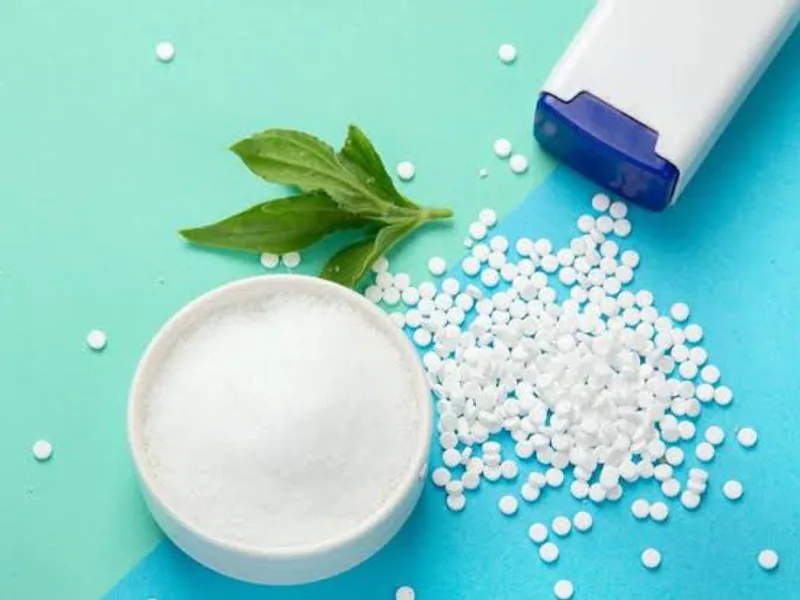
A study of nearly 13,000 Brazilian adults found that people who consumed the most artificial sweeteners had noticeably faster memory and thinking decline over eight years than those who consumed the least. The effect was strongest in adults under 60 and in people with diabetes. Researchers stress th
July 23, 2026
Discover how to find a top nephrologist in Alipurduar. Expert advice on kidney care and choosing the right specialist for your health.
May 20, 2026