

Emergency & Help
24/7 Emergency & General Advisory
🚨 24/7 Medical Emergency
Non-Emergency Advisory
10:00 AM – 6:00 PM, Mon–Sat
For appointments & general queries.
24/7 Emergency & General Advisory
🚨 24/7 Medical Emergency
Non-Emergency Advisory
10:00 AM – 6:00 PM, Mon–Sat
For appointments & general queries.
Discover Uttanasana benefits for back pain, stress, and digestion. Learn how to safely perform the Standing Forward Bend pose with Dr. Himani Bisht.
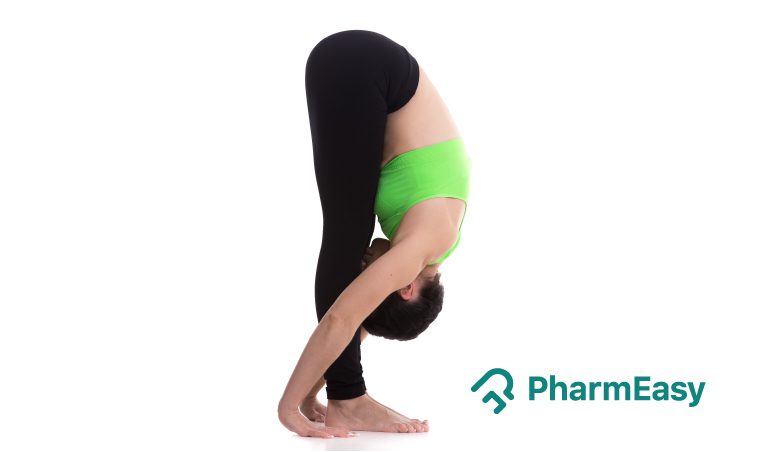
Meena, 45, a homemaker from Jaipur, noticed a persistent ache in her lower back after spending hours sitting on the floor during a family wedding. Coupled with this was a general feeling of fatigue and mild anxiety. Like many people from the subcontinent, her lifestyle involves periods of prolonged sitting and a diet that can sometimes be heavy, especially during festive seasons.
She sought relief, hoping for something natural and effective. This is where the ancient practice of yoga, and specifically a pose like Standing Forward Bend, can offer profound advantages. Honestly, understanding the mechanics and positive effects of such poses can empower individuals to take proactive steps towards better health.
Standing Forward Bend, often translated as Intense Stretch Pose, is a fundamental standing forward fold in yoga. It’s more than just a physical stretch; it's a pose that calms the mind, rejuvenates the body, and can be a cornerstone of a holistic health regimen.
Practically speaking, incorporating this simple yet powerful asana into your daily routine can yield significant improvements in both physical and mental well-being.
At its core, Standing Forward Bend involves hinging at the hips and folding the torso forward over the legs, allowing the head to hang towards the ground. This action creates an intense stretch in the hamstrings, calves, and back, while simultaneously offering a gentle inversion when the head drops below the heart.
Here's where it gets interesting.
This inversion is key to many of its therapeutic effects.
The physical transformations Standing Forward Bend can facilitate are numerous and impactful. For individuals experiencing back discomfort, this pose can be a gentle yet successful solution.
The forward fold lengthens the entire back, decompressing the vertebrae and relieving tension in the lower back. This is particularly beneficial for those who spend long hours seated, a common scenario in modern life across the subcontinent, whether at an office desk or, traditionally, sitting on the floor for extended periods during social gatherings.
Stretching the hamstrings and calves is another notable advantage. Tight hamstrings are a usual complaint, often contributing to poor posture and lower back pain. Standing Forward Bend systematically works on loosening these muscles.
Worth knowing: A study published in the *Journal of Physical Therapy Science* highlighted how regular hamstring stretching can improve spinal mobility and reduce the risk of injury. The pose also strengthens the thighs and leg joints, making the legs more resilient.
Beyond the musculoskeletal advantages, Standing Forward Bend has a remarkable effect on internal organs. The abdominal compression stimulated by the forward fold massages the abdominal organs, including the digestive tract. This can aid digestion, alleviate bloating, and potentially help regulate bowel movements.
That alone changes everything.
For many, especially after indulging in rich festival foods frequent during celebrations like Diwali or Holi, this gentle internal massage can be incredibly soothing. So what does this mean for you? It means a potentially happier digestive system and a more comfortable post-meal experience.
The pose also increases blood flow to the brain due to the slight inversion. This can support to calm the nervous system, reduce stress, and alleviate mild symptoms of depression and anxiety.
The flow of nutrient-rich blood to the brain is vital for cognitive function and emotional balance. The World Health Organization (WHO) has increasingly emphasized the importance of mental well-being, and simple practices like yoga can be powerful allies in this regard.
Mentally, Standing Forward Bend is a powerful stress reliever. The act of surrendering the body in a forward fold can be incredibly cathartic, allowing you to release tension and quiet a busy mind. It's a pose that encourages introspection and mindfulness. But why does this happen?
The forward momentum, coupled with the calming effect of the inversion, signals to the brain that it’s time to relax and let go of worries. This can be profoundly beneficial in today's fast-paced world, where stress-related ailments are increasingly prevalent. In fact, the National Institute of Mental Health and Neurosciences (NIMHANS) in India reports a notable rise in stress and anxiety disorders, underscoring the need for accessible coping mechanisms.
Recovery is rarely linear.
The calming effect on the nervous system can lead to improved sleep quality. By reducing mental chatter and promoting relaxation, Standing Forward Bend prepares the body and mind for restful sleep.
Many find that practicing this pose before bed helps them drift off more easily and experience deeper, more restorative sleep. This is crucial, as chronic sleep deprivation affects nearly 30% of the population in the subcontinent, according to various sleep studies, impacting everything from immunity to mood.
While Standing Forward Bend is accessible to most, proper alignment is crucial to reap its advantages and avoid injury. Here’s a step-by-step guide:
Standing Forward Bend can be modified to suit various levels of flexibility and physical conditions. For instance, if you have hypertension or are pregnant, it's generally advised to keep the head above the heart or perform a milder version. Here are some typical modifications:
While Standing Forward Bend is generally safe, certain conditions warrant caution or consultation with a healthcare professional. Individuals with severe lower back injuries, recent sciatica flare-ups, or high blood pressure should approach this pose with care. If you experience any sharp pain, dizziness, or discomfort, ease out of the pose immediately.
Honestly, listening to your body is paramount. The Indian Spinal Cord Injury Centre (ISCIC) often advises caution with forward folds for individuals with specific spinal conditions.
It's also crucial to remember that yoga is not a substitute for medical treatment. While it can complement conventional therapies, severe conditions require professional medical attention. The Indian Council of Medical Research (ICMR) emphasizes evidence-based medicine, and while yoga shows promise, it should be integrated wisely.
Most people overlook this completely.
The practice of yoga, with poses like Standing Forward Bend, is deeply rooted in the subcontinent's ancient heritage. It's more than just exercise; it's a path to self-awareness and balance. In many households from the subcontinent, yoga is passed down through generations, often integrated into daily rituals.
The emphasis on mindful movement and breath synchronisation resonates with the broader philosophy of Ayurveda, which seeks to balance the body, mind, and spirit. For instance, the cooling effect of Standing Forward Bend can be particularly balancing during the hot summer months in many parts of the region.
The concept of 'prana' or life force energy is central to yogic philosophy. Standing Forward Bend, by promoting relaxation and improving circulation, is believed to enhance the flow of prana throughout the body.
This holistic approach aligns with traditional wellness practices from the subcontinent that view health as an interconnected system rather than isolated signs. The International Diabetes Federation (IDF) notes that lifestyle interventions, including yoga, can play a role in managing conditions like diabetes, which affects over 101 million people in the subcontinent (ICMR, 2023).
The numbers don't lie.
Standing Forward Bend offers a wealth of advantages, from relieving back pain and stress to improving digestion and promoting mental clarity. Its simplicity makes it an ideal pose for beginners, while its depth allows for continued exploration by experienced practitioners.
By incorporating this pose mindfully and with attention to proper alignment, you can unlock its transformative potential.
Remember Meena's story. With consistent practice, she found her back pain eased, her stress levels reduced, and her overall sense of well-being improved. Standing Forward Bend, alongside other yogic practices, became a vital part of her self-care routine, helping her navigate the demands of daily life with greater ease and resilience.
Always consult a qualified physician before making any medical decisions.
Visit Hospital
Near You

Does intermittent fasting weight loss actually last? A 2026 one-year follow-up study says yes — people who did just 12 weeks of time-restricted eating kept more weight off a full year later than those who got standard diet advice alone. But a separate Cochrane review of nearly 2,000 adults found int
July 23, 2026

A study of nearly 13,000 Brazilian adults found that people who consumed the most artificial sweeteners had noticeably faster memory and thinking decline over eight years than those who consumed the least. The effect was strongest in adults under 60 and in people with diabetes. Researchers stress th
July 23, 2026
Discover how to find a top nephrologist in Alipurduar. Expert advice on kidney care and choosing the right specialist for your health.
May 20, 2026