

Emergency & Help
24/7 Emergency & General Advisory
🚨 24/7 Medical Emergency
Non-Emergency Advisory
10:00 AM – 6:00 PM, Mon–Sat
For appointments & general queries.
24/7 Emergency & General Advisory
🚨 24/7 Medical Emergency
Non-Emergency Advisory
10:00 AM – 6:00 PM, Mon–Sat
For appointments & general queries.
Discover effective varicose vein treatments available in Pujali. Learn about causes, symptoms, and advanced medical approaches for relief.
Dilated, twisted vessels, commonly known as varicose veins, frequently manifest on the lower limbs and feet. Beyond their visible appearance, these structures can indeed cause considerable discomfort and may lead to more significant health concerns if left unaddressed. In numerous instances, these bulging conduits develop due to compromised valves within the vascular system.
Normally, these one-way valves ensure circulatory fluid travels upward, back towards the central circulatory organ. Should these valves falter, fluid can accumulate, thereby increasing pressure and causing the vessels to expand.
The precise origins of this condition are diverse. Genetic predisposition plays a role, making family history a crucial determinant. Extended periods of standing or sitting, excessive weight, and hormonal shifts (such as those experienced during gestation) also contribute significantly.
It is observed that females are more susceptible to developing these conditions than males. What course of action should one pursue if this problem is suspected?
Identifying the signs is the initial step toward effective management. Early indicators may be subtle.
In more advanced stages, skin discoloration (such as brownish pigmentation near the ankles) or even venous ulcers—which are slow-healing sores—can emerge. These represent serious indicators that necessitate prompt medical assessment.
It sounds simple. It rarely is.
Fortunately, Pujali provides a variety of advanced therapeutic options for dilated leg vessels, accommodating differing severities and individual patient requirements. These methodologies aim to alleviate indicators and avert potential complications.
For mild presentations, straightforward lifestyle adjustments can offer relief and impede progression. Physicians frequently recommend these as a primary course of action.
It is important to note: While beneficial, these measures do not eliminate existing enlarged vessels but assist in symptom management and slow their advancement.
These contemporary techniques facilitate quicker recovery periods and reduced discomfort compared to conventional surgical procedures. Many specialists in Pujali now favor these methods.
EVLA employs laser energy to seal off compromised vessels. A slender laser fiber is introduced into the affected vessel, delivering heat that closes the conduit. Circulatory fluid is then rerouted to healthier vascular pathways. This is a highly powerful method for larger dilated vessels.
Similar to EVLA, RFA utilizes radiofrequency energy to heat and close the problematic vessel. It represents another proven technique for eliminating faulty vessels with minimal scarring.
Sclerotherapy involves injecting a specialized solution directly into the affected vessels. This solution irritates the vessel lining, causing it to collapse and eventually dissipate.
It proves particularly proven for smaller dilated vessels and spider vessels (minute, damaged capillaries visible near the skin surface). Multiple sessions may be required to achieve optimal outcomes.
Although less common now due to advancements in less invasive options, traditional surgery remains a viable choice for severe presentations. This typically entails the removal of the affected vessel.
During this procedure, the surgeon ties off the problematic vessel (ligation) and then extracts it (stripping). This is generally reserved for extensive networks of dilated vessels where less invasive alternatives are not appropriate. The recovery period may be extended.
Recovery is rarely linear.
Choosing the most suitable therapy hinges on several factors. The dimensions and location of the affected vessels, the intensity of warning signs, the patient's overall health status, and personal preference all contribute to this decision. Specialists at prominent healthcare facilities in Pujali will conduct a comprehensive assessment, frequently incorporating a duplex ultrasound.
This imaging modality facilitates the visualization of circulatory fluid dynamics and precise mapping of the affected vascular structures. Consequently, patients receive a personalized management strategy tailored to their specific concern.
It is crucial to grasp the advantages and disadvantages of each approach. Your physician will discuss these in detail. For example, sclerotherapy may be ideal for aesthetic concerns, while EVLA might be the preferred option for larger, symptomatic vessels.
Pujali features several reputable clinics and hospitals equipped with advanced technology for managing vessel conditions. These establishments are staffed by experienced vascular surgeons and phlebologists (specialists in venous diseases).
That's the part worth remembering.
When seeking care, it is advisable to look for institutions that adhere to clinical standards, such as those recommended by the Association of Vascular Surgeons of India. Many local clinics provide consultations to address patient concerns and explore possible interventions.
those affected should not hesitate to seek a second opinion if any uncertainties arise. Feeling comfortable and confident with the chosen specialist is paramount.
Recovery periods differ based on the procedure performed. Minimally invasive methods typically allow those affected to resume regular activities within one or two days, although some initial limitations may apply. Post-procedure care commonly involves wearing compression garments and attending follow-up appointments.
Long-term management focuses on preventing recurrence. This entails maintaining healthy lifestyle habits—regular physical activity, achieving a healthy weight, and avoiding extended periods of inactivity. Consistent follow-up with one's physician aids in monitoring for any new developments.
Living with chronic venous insufficiency (a situation where leg vessels have difficulty sending blood back to the heart) can be challenging, but powerful interventions and proactive management can significantly enhance one's quality of life. The objective extends beyond addressing existing dilated vessels; it aims to empower individuals with knowledge for sustained leg health.
That's the part worth remembering.
While not all instances are preventable, particularly those with a strong genetic component, certain measures can mitigate risk or delay onset. Maintaining a healthy body weight is essential, as excess mass imposes additional strain on the circulatory system. Regular movement and exercise, such as walking or cycling, are vital for promoting optimal fluid flow.
Avoiding constrictive clothing, especially around the waist and lower limbs, is also advisable. If prolonged standing or sitting is unavoidable, a conscious effort should be made to change positions frequently and perhaps perform simple leg exercises while seated.
While most dilated leg vessels are managed electively, certain indicators necessitate urgent consultation with a medical practitioner. These include sudden, severe leg pain, a swollen, red, or warm lower limb, or any indications of bleeding from a vessel.
Such signs could point to a more serious problem like deep vein thrombosis (DVT), which is a blood clot in a deep vessel, demanding immediate medical intervention, often guided by WHO recommendations for acute care. Prompt diagnosis and therapy are crucial to avert potentially life-threatening complications such as pulmonary embolism (a blockage in one of the pulmonary arteries in the lungs).
The numbers don't lie.
Yes, consuming rice in moderation is generally acceptable. The key lies in maintaining a balanced diet. Prioritize whole grains and control portion sizes. However, excessive intake of refined carbohydrates can contribute to weight gain, which is a recognized likelihood factor for worsening dilated vessels.
Dilated leg vessels primarily represent a problem with the lower limb vessels, not directly with cardiac function. However, severe chronic venous insufficiency can, over time, place extra strain on the circulatory system.
Should manifestations like shortness of breath or chest pain accompany leg swelling, immediate medical consultation is advised, as these could signal cardiac concerns.
Outcomes from sclerotherapy vary based on the size and number of vessels addressed. Improvements may begin to appear within a few weeks, but complete fading of the vessels can require several months.
Multiple therapy sessions are frequently necessary to achieve the best outcome. Your physician will provide a timeline based on your specific problem.
Walking is exceptionally beneficial for individuals with dilated leg vessels! It stands as one of the most successful exercises for enhancing circulation in the lower limbs.
Calf muscle contractions assist in propelling circulatory fluid back towards the central pump, thereby reducing pressure in the lower limb vessels. Aim for regular, brisk walks to support overall vascular well-being.
Always consult a qualified physician before making medical decisions.Visit Hospital
Near You
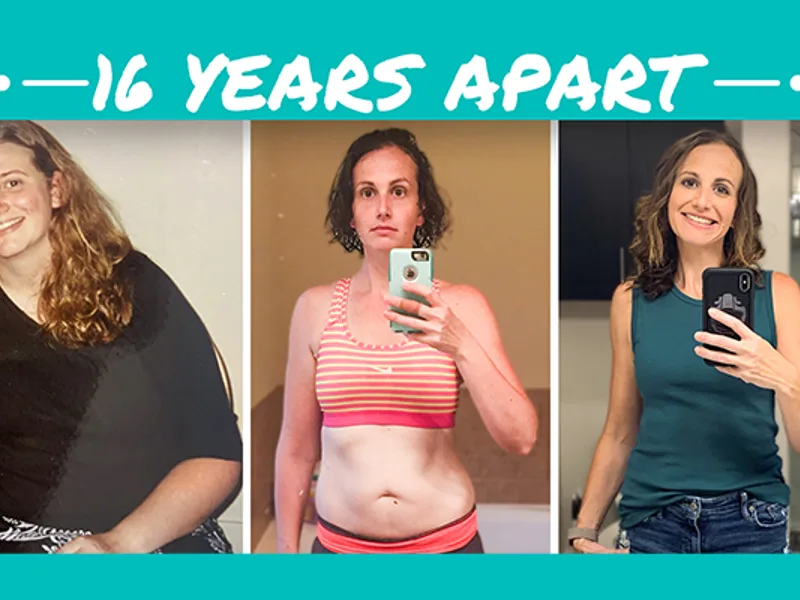
Does intermittent fasting weight loss actually last? A 2026 one-year follow-up study says yes — people who did just 12 weeks of time-restricted eating kept more weight off a full year later than those who got standard diet advice alone. But a separate Cochrane review of nearly 2,000 adults found int
July 23, 2026

A study of nearly 13,000 Brazilian adults found that people who consumed the most artificial sweeteners had noticeably faster memory and thinking decline over eight years than those who consumed the least. The effect was strongest in adults under 60 and in people with diabetes. Researchers stress th
July 23, 2026
Discover how to find a top nephrologist in Alipurduar. Expert advice on kidney care and choosing the right specialist for your health.
May 20, 2026