

Emergency & Help
24/7 Emergency & General Advisory
🚨 24/7 Medical Emergency
Non-Emergency Advisory
10:00 AM – 6:00 PM, Mon–Sat
For appointments & general queries.
24/7 Emergency & General Advisory
🚨 24/7 Medical Emergency
Non-Emergency Advisory
10:00 AM – 6:00 PM, Mon–Sat
For appointments & general queries.
Find expert weight loss doctors in Hajipur. Learn about effective treatments, lifestyle changes, and achieve your health goals.
The condition of excessive body fat represents a significant public well-being issue across India. In practical terms, its presence substantially elevates the likelihood of developing many chronic illnesses. Among these are type 2 diabetes, cardiovascular ailments, and specific forms of cancer.
Pinpointing and managing this problem necessitates expert clinical care. For individuals in Hajipur, a physician dedicated to body mass management provides professional guidance and personalized strategies.
A widely utilized screening instrument is the Body Mass Index (BMI). When a person's BMI reaches 30 or above, it signifies the presence of excessive body fat. Should your BMI fall within this category, seeking advice from a specialist is advisable.
On top of that,, individuals experiencing physical concerns linked to excess adiposity, such as hypertension (elevated blood pressure) or sleep apnea, should seek assistance. Consider this: overseeing one's body size frequently proves more intricate than mere dietary adjustments and physical activity.
And yet, so many people miss it.
Physicians focused on body mass management, typically endocrinologists or practitioners with expertise in adiposity medicine, offer a methodical strategy. These professionals evaluate an individual's general well-being, pinpoint the root causes of increased body size, and craft bespoke interventions.
Their method extends beyond generalized recommendations. A superior path exists: through clinically-proven therapeutic intervention.
Successful body mass regulation necessitates a blend of diverse tactics. Practitioners in Hajipur provide a range of care options, spanning from adjustments to daily habits to clinical and surgical procedures. Indeed, the most suitable strategy remains deeply personal.
Such adjustments to daily routines constitute the foundation of any effective program for reducing body mass. considerable alterations in dietary intake and physical engagement are central to this. A dietitian or nutritionist frequently collaborates with the treating physician.
The emphasis moves towards sustenance rich in nutrients. This translates to consuming more fruits, vegetables, lean protein sources, and whole grains. Controlling portion sizes is crucial.
Balanced meals are advocated by the National Institute of Nutrition (NIN) in India. An example of a well-proportioned plate features half vegetables, a quarter lean protein, and a quarter whole grains.
The numbers don't lie.
Engaging in regular physical movement is essential. Individuals should target a minimum of 150 minutes of moderate-intensity aerobic movement each week.
On top of that,, resistance training performed biannually aids in developing muscle tissue, thereby enhancing metabolic rate. Specialist practitioners frequently advise a progressive escalation in physical engagement.
When adjustments to daily habits alone prove inadequate for certain individuals, alternative interventions become necessary. Physicians, in these instances, may prescribe pharmaceutical agents approved by the FDA for body mass reduction.
The mechanism of action for these drugs involves either curbing appetite or diminishing the absorption of dietary fats. According to World Health Organization (WHO) guidelines, pharmacological intervention is indicated if BMI is $\geq$ 27 kg/m² alongside co-occurring conditions, or if BMI is $\geq$ 30 kg/m² in their absence, and if modifications to daily habits have not yielded results.
Examples include Orlistat, Liraglutide, or Phentermine-Topiramate. Such treatments are invariably administered under rigorous clinical oversight. To address any potential adverse reactions, diligent monitoring is indispensable.
This is where most patients struggle.
Surgical interventions become an option for those experiencing severe excessive body fat (BMI $\geq$ 40 kg/m²) or moderate excessive body fat (BMI $\geq$ 35 kg/m²) accompanied by notable physical complications. Operations such as gastric bypass or sleeve gastrectomy substantially diminish the stomach's capacity.
A notable and swift reduction in body mass results from this. Standards for these procedures are provided by the Indian Association of Gastrointestinal Endosurgeons (IAGE).
While impactful, these surgical procedures demand a lifelong dedication to dietary and behavioral adjustments. Intensive care follows the operation.
A crucial stride involves selecting the appropriate specialist. Individuals should seek out physicians possessing specific training and background in adiposity medicine or bariatric support.
Valuable perspectives can be gained from patient feedback and hospital associations. Though not situated in Hajipur, AIIMS Patna establishes a standard for expert care in the area, which individuals may consider.
Managing one's body size seldom proves to be a solitary endeavor. An efficacious team frequently comprises physicians, registered dietitians, mental health professionals, and exercise physiologists.
Ensuring all facets of an individual's well-being are attended to is achieved through this cooperative strategy. For many, psychological assistance becomes essential for surmounting emotional cues that lead to eating.
Journeys toward reducing body mass are frequently demanding. widespread occurrences include plateaus, minor setbacks, and emotional obstacles. The reason for this lies in the intricate nature of our physiological and psychological systems.
That alone changes everything.
Crucial attributes are patience and tenacity. Consider that setbacks present chances to acquire knowledge and modify one's approach.
Numerous people across India have successfully regulated their body size through professional assistance. For example, a study featured in The Lancet Diabetes & Endocrinology underscored the effectiveness of integrated care initiatives.
Such programs frequently merge clinical oversight with guidance on daily habits. These endeavors have demonstrated lasting body mass reduction and enhanced related well-being indicators.
People living with diabetes may consume rice, yet managing portion sizes and selecting the right type are paramount. Choosing brown rice or parboiled rice instead of white rice is preferable, given their reduced glycemic index. To temper rises in blood sugar, combining rice with foods high in fiber and lean protein is recommended.
Initiating the process involves consulting a healthcare professional, such as a physician specializing in body mass reduction or a registered dietitian. Such professionals can evaluate your physical state, identify any potential root problems, and assist in devising a secure and individualized plan for reducing body mass that meets your specific requirements.
A rate of body mass reduction that is both healthy and maintainable generally falls between 0.5 to 1 kilogram (1 to 2 pounds) each week. While rapid body mass reduction might occur, it can sometimes result in muscle depletion, nutritional deficits, and typically proves more challenging to sustain over extended periods.
That alone changes everything.
Surgical intervention is typically reserved for those with severe excessive body fat or individuals for whom other strategies have not been successful. Numerous individuals attain substantial and beneficial body mass reduction through dietary adjustments, physical activity, and clinical treatments, all under the direction of a physician focused on body mass management, without the necessity of surgery.
Always consult a qualified physician before making medical decisions.Visit Hospital
Near You
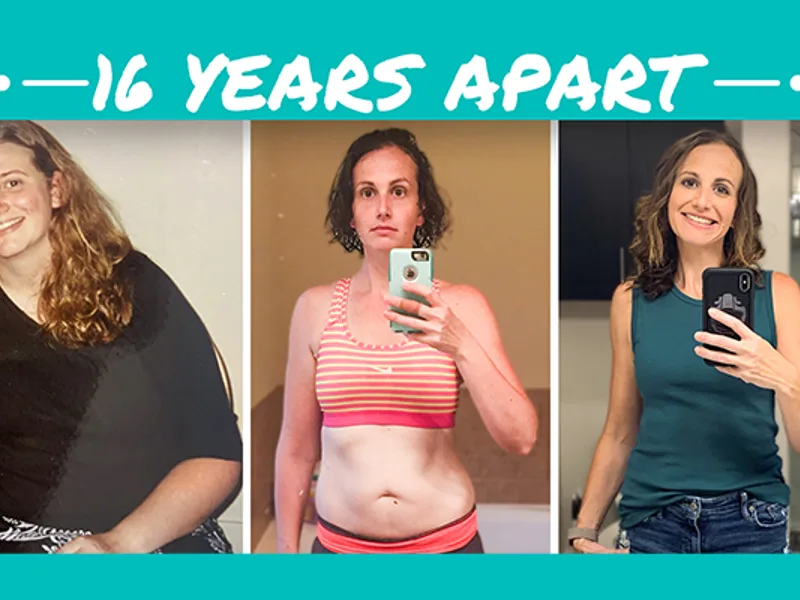
Does intermittent fasting weight loss actually last? A 2026 one-year follow-up study says yes — people who did just 12 weeks of time-restricted eating kept more weight off a full year later than those who got standard diet advice alone. But a separate Cochrane review of nearly 2,000 adults found int
July 23, 2026

A study of nearly 13,000 Brazilian adults found that people who consumed the most artificial sweeteners had noticeably faster memory and thinking decline over eight years than those who consumed the least. The effect was strongest in adults under 60 and in people with diabetes. Researchers stress th
July 23, 2026
Discover how to find a top nephrologist in Alipurduar. Expert advice on kidney care and choosing the right specialist for your health.
May 20, 2026