

Emergency & Help
24/7 Emergency & General Advisory
🚨 24/7 Medical Emergency
Non-Emergency Advisory
10:00 AM – 6:00 PM, Mon–Sat
For appointments & general queries.
24/7 Emergency & General Advisory
🚨 24/7 Medical Emergency
Non-Emergency Advisory
10:00 AM – 6:00 PM, Mon–Sat
For appointments & general queries.
Discover how yoga can aid weight management. Explore benefits, effective poses, and a safe weekly plan for a healthier you.

Meena, 45, a homemaker from Jaipur, noticed her physique increasing over the past few years. The festive season, with its rich, calorie-laden sweets and inactive celebrations, always seemed to be a turning point. Coupled with the general strain of running a household, her bodily functions felt sluggish.
She tried various diets, but they were often impractical and left her feeling deprived. Honestly, many of us encounter similar obstacles. In numerous instances, bodily mass accumulation isn't solely about caloric intake; it's deeply connected to our way of life, tension levels, and general health.
Practically speaking, regulating physique effectively necessitates a well-rounded approach. While nutrition and physical activity are fundamental, integrating practices like yoga can offer profound advantages. Yoga, an ancient Indian discipline, extends beyond mere physical exertion.
It harmonises the body, mind, and spirit, addressing the underlying reasons for bodily mass gain like tension and poor assimilation, which are frequently overlooked in conventional weight loss programs. Have you ever pondered why, despite rigorous exercise, some individuals struggle to shed those extra kilos?
The numbers don't lie.
Yoga influences physique regulation through several interconnected pathways. Firstly, it assists in caloric expenditure, particularly through more active styles like Vinyasa or Ashtanga. However, its true strength lies in its capacity to control hormones and enhance bodily function. Chronic strain, a widespread ailment in modern Indian life — intensified by factors like traffic congestion and demanding work schedules — leads to elevated cortisol levels.
High cortisol is strongly linked with increased abdominal fat storage. Yoga's tension-alleviating capabilities, through deep breathing (pranayama) and meditation, directly counteract this hormonal imbalance. Research indicates that regular yoga engagement can substantially reduce cortisol levels.
Certain yoga postures (asanas) stimulate the thyroid gland, which plays a vital role in governing bodily function. An underactive thyroid is a frequent contributor to physique gain. By enhancing thyroid operation, yoga can help accelerate your body's caloric expenditure system. In addition to physical advantages, yoga cultivates present-moment awareness.
This heightened self-perception assists individuals in recognising hunger signals more accurately, reducing emotional eating, and making healthier dietary decisions. Over 101 million Indians have diabetes (ICMR, 2023), a condition frequently associated with being overweight. Yoga can serve as a crucial supplementary therapy in addressing both conditions.
Recovery is rarely linear.
When selecting yoga postures for physique regulation, concentrate on those that build resilience, enhance bodily function, and improve assimilation. Here are some highly effective asanas:
This is a potent sequence that warms the entire body, elevates heart rate, and burns calories effectively. It merges several foundational postures into a flowing Vinyasa. Engaging in 5-10 rounds daily can yield a substantial impact. It's an excellent method to commence your day, invigorating your body and mind.
These postures cultivate strength in the legs and core, enhance equilibrium, and can elevate bodily function. They are exceptional for toning the entire physique and boosting endurance. Maintaining each posture for 5-10 breaths strengthens your determination as well as your musculature.
This core-strengthening posture engages the abdominal muscles intensely, aiding in flattening the abdomen and building a robust midsection. It also enhances equilibrium and stimulates the abdominal organs. Aim to hold this posture for 30-60 seconds, progressively extending the duration.
This posture stretches and strengthens the legs, knees, and ankles while stimulating the abdominal organs. It assists in diminishing excess from the waist and hips, promoting a toned physique. Its advantages extend to improving assimilation and alleviating strain.
That's the part worth remembering.
Cobra posture gently massages the abdominal organs, enhancing assimilation and stimulating bodily function. It also fortifies the spine and opens the chest, improving posture and breathing capacity. This posture is particularly beneficial for individuals who spend extended periods seated, a common situation in urban Indian environments.
This invigorating posture deeply stretches the anterior aspect of the body, stimulates abdominal organs, and strengthens the back musculature. It is excellent for improving posture and increasing vitality, thereby supporting caloric expenditure.
These inversions are recognized for stimulating the thyroid gland, which is crucial for metabolic regulation. Regularly practicing these postures can aid in managing physique related to thyroid dysfunction. However, they demand careful execution and should be approached with prudence, especially if you have neck discomfort.
Regularity is paramount. Here's a sample plan devised for novices to intermediates, emphasizing a balanced strategy. Always remember to heed your body and adapt postures as required.
Focus on a gentle Vinyasa flow incorporating Surya Namaskar (3-5 rounds) followed by calming postures like Child's Pose (Balasana) and Cat-Cow (Marjaryasana-Bitilasana). Conclude with 10 minutes of Savasana (Corpse Pose) and guided meditation.
The numbers don't lie.
Concentrate on standing postures such as the Warrior series, Triangle Pose, and Tree Pose (Vrksasana). Include core engagement like Boat Pose and Plank variations. Aim for 30-45 minutes.
A less strenuous day with restorative postures. Concentrate on postures that aid assimilation, such as Supine Spinal Twist (Supta Matsyendrasana) and gentle forward bends. Incorporate extended holds (1-2 minutes) in postures like Legs-Up-the-Wall (Viparita Karani). This aids in calming the nervous system following a couple of active days.
Engage in a more vigorous Vinyasa or Ashtanga-inspired sequence. Include postures that elevate your heart rate like Sun Salutations, Chair Pose (Utkatasana), and balancing postures.
Aim for 45-60 minutes. The International Diabetes Federation (IDF) underscores the significance of physical activity in diabetes care, and this session contributes substantially.
Focus on enhancing suppleness with postures like Pigeon Pose (Eka Pada Rajakapotasana), Seated Forward Bend (Paschimottanasana), and hip openers. This helps release accumulated tension in the musculature.
Combine elements from the week – a few rounds of Surya Namaskar, strength postures, and core engagement. If comfortable and safe, incorporate inversions such as Shoulder Stand and Plough Pose, ensuring proper alignment. A 60-minute session is ideal.
A gentle practice centered on light stretching, breathwork, and meditation. Perhaps a mindful outdoor stroll, weather permitting.
The objective is active recovery and mental revitalization, preparing for the ensuing week. A meta-analysis in the *Journal of the American Medical Association (JAMA)* found that mindfulness-based interventions can support physique reduction efforts.
Here's where it gets interesting.
While yoga offers immense advantages, safety is paramount. Always commence with foundational postures and advance gradually. If you have any pre-existing medical conditions, particularly cardiovascular issues, elevated blood pressure, or spinal discomfort, consult your physician before initiating yoga. It is advisable to learn from a certified yoga instructor who can guide you on correct alignment and modifications.
Never compel yourself into a posture; heed your body's indications. Hydration is also vital; consume water before and after your practice, but avoid large quantities immediately during vigorous sessions. Ingesting a light meal at least 2-3 hours before practice is generally advised.
On top of that,, bear in mind that yoga is most impactful for physique regulation when coupled with a balanced diet and a healthy way of life. It is not an instantaneous solution, but a potent instrument that, when utilized consistently and mindfully, can lead to lasting physique reduction and enhanced overall health.
The WHO advocates for regular physical activity as a component of a healthy lifestyle to combat the escalating prevalence of obesity globally. Over 53% of Indian adults are overweight or obese (WHO, 2022), rendering holistic strategies like yoga increasingly pertinent.
Most people overlook this completely.
But why does this occur? The mind-body synergy cultivated by yoga aids in making deliberate choices regarding nourishment and activity. It pertains to establishing a sustainable rapport with your body rather than resorting to swift remedies.
Cultivating a consistent yoga engagement, even just 20-30 minutes daily, can yield significant outcomes over time. Recall Meena? Following the integration of yoga into her regimen alongside mindful eating, she not only shed 5 kilos in three months but also felt more invigorated and less strained.
Always consult a qualified physician before making any health-related decisions.
Visit Hospital
Near You
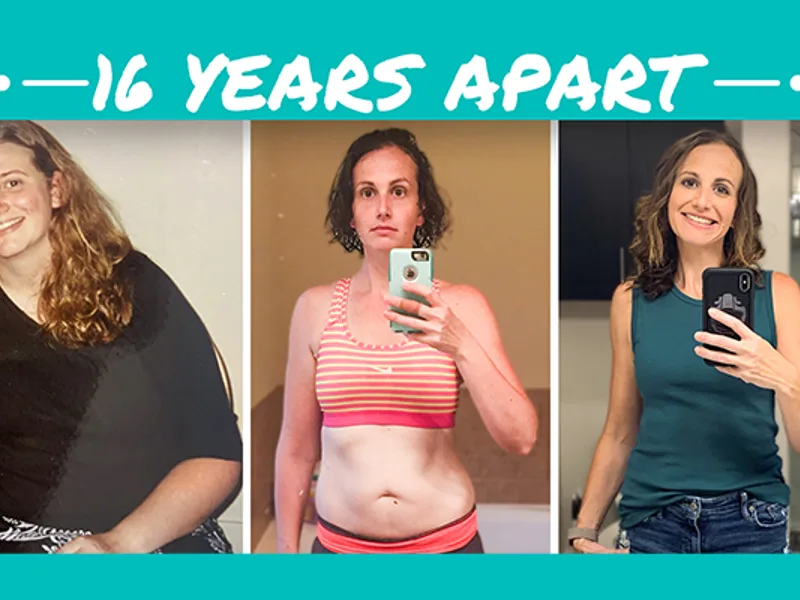
Does intermittent fasting weight loss actually last? A 2026 one-year follow-up study says yes — people who did just 12 weeks of time-restricted eating kept more weight off a full year later than those who got standard diet advice alone. But a separate Cochrane review of nearly 2,000 adults found int
July 23, 2026

A study of nearly 13,000 Brazilian adults found that people who consumed the most artificial sweeteners had noticeably faster memory and thinking decline over eight years than those who consumed the least. The effect was strongest in adults under 60 and in people with diabetes. Researchers stress th
July 23, 2026
Discover how to find a top nephrologist in Alipurduar. Expert advice on kidney care and choosing the right specialist for your health.
May 20, 2026