

Emergency & Help
24/7 Emergency & General Advisory
🚨 24/7 Medical Emergency
Non-Emergency Advisory
10:00 AM – 6:00 PM, Mon–Sat
For appointments & general queries.
24/7 Emergency & General Advisory
🚨 24/7 Medical Emergency
Non-Emergency Advisory
10:00 AM – 6:00 PM, Mon–Sat
For appointments & general queries.
Find expert angioplasty care in Sodepur. Learn about the procedure, recovery, and choosing the right hospital for your heart health.
When arteries supplying vital oxygenated fluid to the cardiac muscle narrow or become obstructed, individuals face serious medical conditions, including myocardial infarctions. Percutaneous Coronary Intervention (PCI), commonly known as angioplasty, is a critical medical technique designed to reopen these blocked vessels, thereby restoring unobstructed circulation.
Many people have experienced the distress of chest discomfort, a frequent indicator of such blockages.
This intervention, PCI, employs a less invasive method compared to traditional open-chest surgery. Instead, physicians guide a thin tube, known as a catheter, through vascular pathways directly to the site of an obstruction. A tiny balloon at the catheter's tip is then inflated, effectively widening the affected artery.
Frequently, a small mesh tube, referred to as a stent, is then deployed. This implant functions as an internal scaffold, maintaining the artery's openness over an extended period. This approach has significantly enhanced outcomes for individuals living with coronary artery disease (CAD).
Numerous factors can contribute to the narrowing of coronary arteries. These include elevated cholesterol levels, hypertension (high blood pressure), diabetes, smoking, and a family history of cardiac ailments.
It sounds simple. It rarely is.
When these vessels become substantially obstructed, they cannot deliver an adequate supply of oxygen-rich fluid to the myocardium. This deficit can manifest as chest pain (angina), shortness of breath, or even a myocardial infarction.
The decision to undergo a coronary intervention is a significant one. One might wonder why it is often favored over more invasive operations. For many patients, it offers a swifter recovery and fewer potential complications.
This medical process typically commences with the administration of a local anesthetic. people generally remain awake but in a relaxed state. A small incision is usually created in the groin or wrist, through which the cardiologist inserts a catheter. Fluoroscopy, a specific type of X-ray imaging, precisely guides the catheter. Contrast dye assists in visualizing the arterial pathways.
then, the balloon is utilized to open the blockage. Should an implant be deemed necessary, it is expanded and secured in place. The entire intervention usually concludes within approximately one hour. The success rate for PCI is notably high, frequently surpassing 90%, according to various studies, including those published in The Lancet.
This is where most individuals struggle.
Following the revascularization, individuals typically spend a few hours in a recovery area. Medical staff closely monitor them for any immediate complications. An overnight hospital stay is common, and people receive detailed instructions regarding medication and activity restrictions.
Recovery following a coronary intervention is generally faster than after traditional bypass surgery. Most individuals can resume their usual activities within a week, though complete recuperation may extend over several weeks. During this period, meticulous adherence to medical advice is paramount.
This includes taking prescribed medications, such as antiplatelet drugs, which are crucial for preventing clotting within the implanted device and ensuring long-term success. The WHO (World Health Organization) strongly recommends these lifestyle modifications.
Lifestyle changes are vital. Adopting a cardiac-friendly diet, engaging in regular physical activity, abstaining from smoking, and effectively managing stress are key components.
These actions help prevent future blockages and enhance overall circulatory well-being. Living with a cardiac ailment is undeniably challenging, but with appropriate medical oversight and proactive lifestyle adjustments, a fulfilling life is achievable.
This is where most individuals struggle.
Choosing the appropriate medical facility for your coronary intervention constitutes a crucial step. Individuals seek institutions equipped with the latest technology and staffed by seasoned specialists. In Sodepur, several healthcare institutions provide advanced cardiac services.
Hospitals with robust affiliations or accreditations frequently demonstrate a commitment to elevated standards. These accreditations, often granted by bodies such as the National Accreditation Board for Hospitals & Healthcare Providers (NABH), signify adherence to stringent quality protocols.
Many individuals harbor inquiries or mistaken beliefs about coronary interventions. Let's address some frequent ones.
The intervention itself occurs under local anesthesia and sedation, so sufferers should not experience pain during the PCI. Some pressure at the insertion site might be felt. Post-intervention, minor soreness or bruising may occur, typically manageable with mild pain relievers.
While light activities can often be resumed within a few days, full recovery usually spans one to two weeks. Complete healing of the insertion site may take longer. Specific guidelines will be provided by the physician, based on individual physical condition and the scope of the intervention.
Here's where it gets interesting.
Like any medical process, a coronary intervention carries certain risks. These can include bleeding at the insertion site, allergic reactions to the dye, damage to the vascular structure, or, in rare instances, a myocardial infarction or stroke.
However, the complication rate remains low, typically less than 1-2%, owing to technological advancements and physician proficiency. The advantages of relieving blockages often substantially outweigh these risks.
Initially, a modified diet and restricted physical activity will be recommended by the doctor. As recovery progresses, individuals can gradually revert to their normal diet, emphasizing cardiac-friendly dietary choices.
Similarly, physical activity should be slowly reintroduced, frequently guided by a cardiac rehabilitation program. Avoiding strenuous activities for the initial few weeks is generally advised.
Stents are minute, expandable metallic mesh tubes. They are crucial in coronary interventions, serving as internal scaffolding. After balloon dilation widens the artery, the implant is positioned to prop the vessel open, preventing its re-collapse.
And yet, so many people miss it.
Most contemporary implants are drug-eluting stents (DES), coated with medication that is slowly released. This release mechanism helps inhibit scar tissue growth within the implant, further diminishing the likelihood of re-blockage. The ICMR (Indian Council of Medical Research) acknowledges the vital contribution of DES in enhancing long-term patient outcomes.
Adhering to the prescribed dual antiplatelet therapy (taking two types of blood-thinning medications) after implant placement is absolutely critical. This therapy prevents thrombosis (blood clots) from forming on the device, a potentially life-threatening complication.
Following a coronary intervention, participation in a cardiac rehabilitation program is highly recommended. These programs, often available at reputable hospitals in Sodepur, are structured to assist people in recovering safely and effectively. They typically encompass:
These programs empower individuals to assume control over their cardiac well-being, proving impactful in reducing future cardiac events.
This revascularization method offers a potent remedy for many struggling with obstructed coronary arteries. For individuals in Sodepur requiring this life-saving intervention, advanced cardiac care is readily available.
That's the part worth remembering.
By comprehending the process, judiciously selecting a medical facility, and committing to a healthy lifestyle, people can significantly improve their cardiac well-being. Proactive care, remember, is fundamental to a longer, healthier existence.
While rice is a dietary staple, it is a carbohydrate that can influence blood sugar levels. For those with diabetes, focusing on portion control and opting for brown rice over white rice whenever feasible is advisable.
A detailed dietary plan should be discussed with a doctor or dietitian to ensure alignment with diabetes management and cardiac wellness objectives.
For short-distance car travel, many individuals can resume after a few days to a week, provided they feel well and experience no complications. Long-distance or air travel is typically recommended after one to two weeks. Always obtain clearance from a cardiologist before planning any journeys.
Signs of a possible implant blockage may include a recurrence of chest discomfort, shortness of breath, or other symptoms similar to those experienced before the revascularization. Should any such manifestations arise, immediate medical attention is imperative. Early detection is vital for effective treatment.
It sounds simple. It rarely is.
A coronary intervention opens obstructed arteries and restores circulation, but it does not cure the underlying disease process (atherosclerosis). Lifestyle modifications and medication are essential for managing the issue and preventing the formation of new blockages.
Regular follow-ups with a cardiologist are crucial for monitoring cardiac well-being.
Always consult a qualified physician before making medical decisions.Visit Hospital
Near You
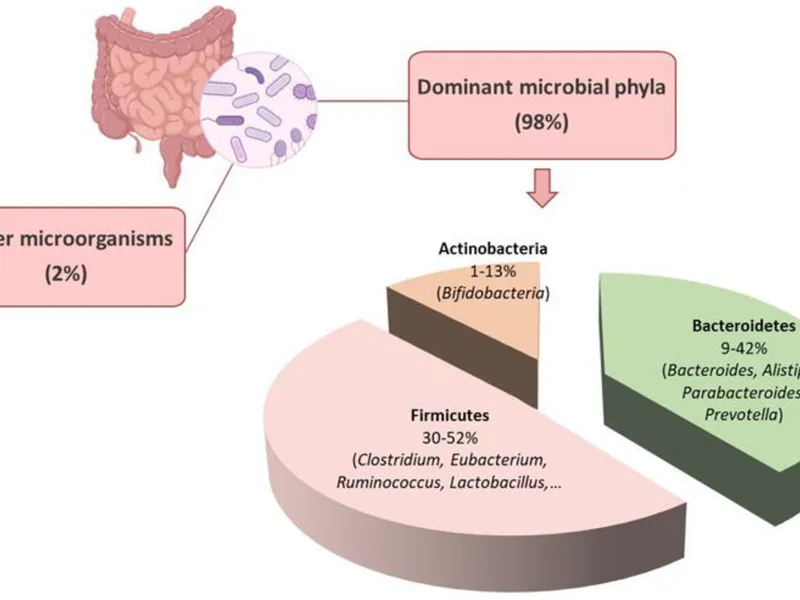
Scientists at the University of Cambridge tested 39 common sweeteners against 25 species of gut bacteria in the lab. About three-quarters of the sweeteners changed how at least one bacterial species grew, and effects got stronger — or weaker — when sweeteners were combined with medications, caffeine
July 23, 2026

Learn about safe skin tag removal in Kolkata, including causes, treatment options, recovery, risks, and when to consult a dermatologist.
May 20, 2026

Looking for corn removal in Kolkata? Learn about symptoms, causes, treatment options, recovery, and prevention tips for painful foot corns.
May 20, 2026