

Emergency & Help
24/7 Emergency & General Advisory
🚨 24/7 Medical Emergency
Non-Emergency Advisory
10:00 AM – 6:00 PM, Mon–Sat
For appointments & general queries.
24/7 Emergency & General Advisory
🚨 24/7 Medical Emergency
Non-Emergency Advisory
10:00 AM – 6:00 PM, Mon–Sat
For appointments & general queries.
Find effective anxiety treatment in Lohardaga. Discover expert insights, therapy options, and local support for mental well-being.
Anxiety is a common mental health condition affecting many people in India and across the globe. It's characterized by persistent worry, fear, or nervousness, often disproportionate to the actual situation. Practically speaking, this can manifest as a racing heart, difficulty breathing, or overwhelming dread.
In India, the National Mental Health Survey (NMHS) 2015-16 revealed that approximately 14% of the adult population experiences mental health issues, with anxiety disorders being among the most prevalent. We often see individuals struggling with daily tasks due to these persistent feelings.
Identifying anxiety is the crucial first step towards seeking effective care. The signs can vary widely among individuals. Some usual indicators include:
Is there a better way to manage these disruptive indicators? For some, panic attacks can occur suddenly. These are intense episodes of fear that bring on severe physical symptoms.
They can feel terrifying, often mimicking serious medical emergencies. Experiencing a panic attack can lead to a fear of future attacks, further exacerbating the anxiety.
The reality is, the exact causes of anxiety disorders are complex and often involve a combination of factors. Genetics play a role, meaning a family history can increase susceptibility. Brain chemistry, particularly the balance of neurotransmitters like serotonin and norepinephrine, is also vital.
Environmental factors, such as stressful life events (job loss, relationship issues, financial strain), can trigger or worsen anxiety. Even certain medical conditions or medications can contribute to anxiety signs. Understanding these potential triggers is key for developing a personalized care plan.
That's the part worth remembering.
Fortunately, powerful anxiety approach is available in Lohardaga. A multi-pronged approach, often combining psychotherapy and medication, is typically the most impactful. We aim to provide accessible and reliable support for those affected.
Psychotherapy, often called talk therapy, is a cornerstone of anxiety management. It helps individuals understand their thoughts, feelings, and behaviours. Cognitive Behavioural Therapy (CBT) is particularly proven.
CBT helps identify and challenge negative thought patterns that fuel anxiety. Exposure therapy, another form, gradually exposes individuals to feared situations in a safe environment. Family therapy can also be beneficial, involving loved ones in the healing process.
Medication can be a vital tool for managing severe anxiety signs. Antidepressants, such as Selective Serotonin Reuptake Inhibitors (SSRIs) and Serotonin-Norepinephrine Reuptake Inhibitors (SNRIs), are commonly prescribed. These help regulate brain chemicals associated with mood and anxiety.
Here's where it gets interesting.
Benzodiazepines may be used short-term for acute panic or severe anxiety, but their long-term use is carefully monitored due to potential dependence. A qualified physician or psychiatrist will determine the most appropriate medication and dosage. The Indian Psychiatric Society provides guidelines for psychotropic medication use.
Beyond formal care, lifestyle changes can significantly boost mental well-being. Regular physical activity, even a brisk walk for 30 minutes daily, can reduce stress hormones and improve mood. A balanced diet, rich in fruits, vegetables, and whole grains, supports brain health.
Adequate sleep (7-9 hours) is crucial for emotional regulation. Mindfulness and meditation practices, which are increasingly popular, aid individuals stay present and reduce rumination. Honestly, incorporating these habits can make a substantial difference.
Locating the right specialists is essential for receiving quality care. Lohardaga has several qualified mental health professionals. These include psychiatrists, who are medical doctors specializing in mental health and can prescribe medication, and psychologists, who provide psychotherapy.
It sounds simple. It rarely is.
When choosing a specialist, consider their experience, approach, and your comfort level. Recommendations from your general physician or trusted friends can be helpful.
Support groups offer a unique and invaluable resource. Here, individuals with shared experiences can connect, share coping strategies, and find mutual encouragement. While specific anxiety support groups may not be widely advertised in Lohardaga, many general mental wellness communities exist.
These groups foster a sense of belonging, reducing feelings of isolation. Living with anxiety is genuinely hard, and shared understanding can be incredibly healing.
It's usual for anxiety disorders to co-exist with other mental health conditions. Depression is frequently seen alongside anxiety. Other issues include substance use disorders and obsessive-compulsive disorder (OCD).
The NMHS also highlighted the significant burden of co-occurring conditions in India. Addressing all conditions simultaneously is vital for comprehensive recovery. Integrated care plans are therefore crucial.
Accessing mental healthcare in India has improved significantly. Government initiatives and private healthcare providers are working to destigmatize mental illness. However, challenges remain, particularly in rural areas.
The numbers don't lie.
Organizations like the World Health Organization (WHO) emphasize the need for integrated mental healthcare within primary healthcare settings. Telemedicine options have also emerged, enabling remote consultations with specialists, which can be a boon for residents in areas like Lohardaga.
While not all anxiety can be prevented, proactive steps can strengthen resilience. Early intervention is key; seeking enable at the first signs of distress can prevent conditions from worsening. Building a strong support system of family and friends is vital.
Practicing healthy coping mechanisms for stress, like those mentioned earlier, is essential. Regular check-ins with healthcare providers, even when feeling well, can assist maintain long-term mental wellness. Remember, consistent effort leads to lasting improvement.
Diet can influence mood and energy levels, but there's no direct prohibition on rice for anxiety. Focus on a balanced diet with whole grains, lean proteins, and plenty of fruits and vegetables. Limiting processed foods and excessive sugar can support stabilize mood.
That alone changes everything.
The timeline for approach effectiveness varies greatly. Some individuals experience symptom relief within weeks of starting therapy or medication. Others may require several months of consistent effort to see major improvements. Patience and adherence to the management plan are key.
Anxiety can manifest with very real physical signs, such as chest pain, shortness of breath, or digestive issues. It's vital to consult a doctor to rule out any underlying medical conditions. Once physical causes are excluded, intervention for anxiety can then be effectively addressed.
Yes, therapy, particularly Cognitive Behavioural Therapy (CBT), is a highly powerful and evidence-based approach for anxiety. It empowers individuals with coping skills to manage anxious thoughts and behaviours, leading to long-term relief and improved quality of life.
Visit Hospital
Near You
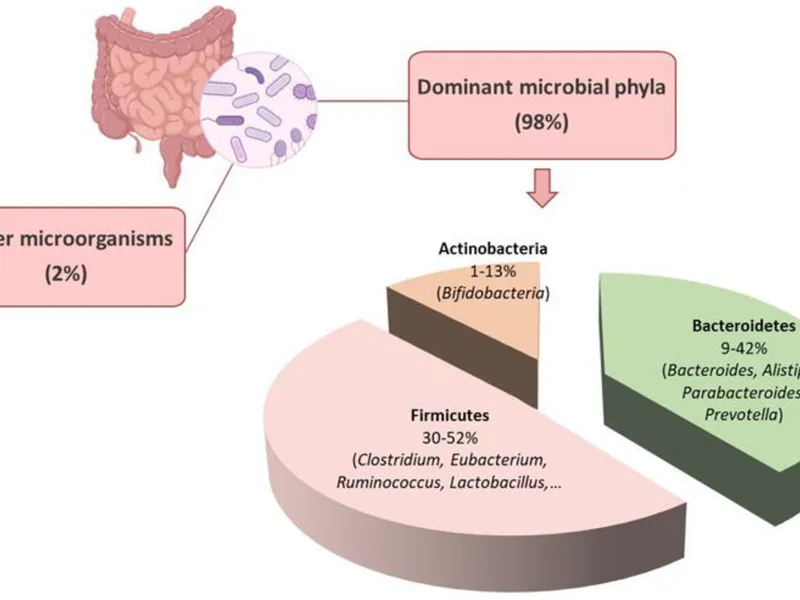
Scientists at the University of Cambridge tested 39 common sweeteners against 25 species of gut bacteria in the lab. About three-quarters of the sweeteners changed how at least one bacterial species grew, and effects got stronger — or weaker — when sweeteners were combined with medications, caffeine
July 23, 2026

Learn about safe skin tag removal in Kolkata, including causes, treatment options, recovery, risks, and when to consult a dermatologist.
May 20, 2026
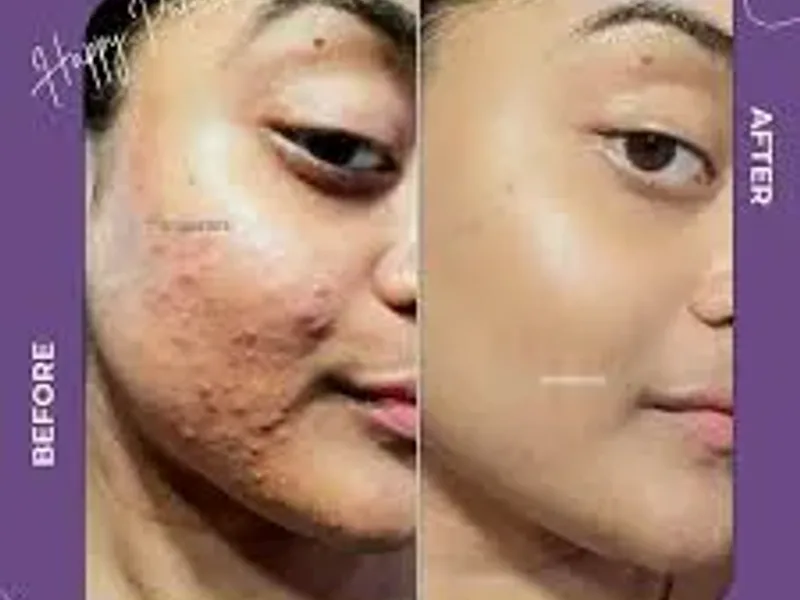
Looking for corn removal in Kolkata? Learn about symptoms, causes, treatment options, recovery, and prevention tips for painful foot corns.
May 20, 2026