

Emergency & Help
24/7 Emergency & General Advisory
🚨 24/7 Medical Emergency
Non-Emergency Advisory
10:00 AM – 6:00 PM, Mon–Sat
For appointments & general queries.
24/7 Emergency & General Advisory
🚨 24/7 Medical Emergency
Non-Emergency Advisory
10:00 AM – 6:00 PM, Mon–Sat
For appointments & general queries.
Learn about appendectomy in Pujali, from symptoms and diagnosis to recovery. Expert insights for patients in West Bengal.
Inflammation of the vermiform appendix, a condition termed appendicitis, constitutes a frequent medical emergency. This small, finger-like pouch, attached to the large intestine, can cause severe pain when inflamed or infected, demanding prompt medical attention.
In Pujali, as in other regions, the standard and most reliable approach for acute inflammation of this organ is its surgical removal, a procedure known as an appendectomy.
Clinicians frequently encounter patients presenting with classic indicators, although variations occur. One might ponder why this modest organ can generate such significant issues.
Its anatomical position and susceptibility to blockage, often by hardened stool, lymphoid hyperplasia (swelling of lymph tissue), or, less commonly, parasites or tumors, hold the key. Once an obstruction occurs, bacteria proliferate within the organ, leading to inflammation, swelling, and potential rupture.
Early identification of appendicitis proves crucial for a favorable prognosis. The primary sign is discomfort in the abdomen.
Initially, this pain might originate around the navel (belly button) before shifting to the lower right side of the abdomen. Typically, this discomfort intensifies over time and is exacerbated by movement, coughing, or deep breaths.
Other common indicators include:
It remains important to recall that not every individual experiences all these manifestations. Some those affected, particularly children and pregnant women, may exhibit atypical indicators. The reality is that diagnosing this concern can sometimes be challenging due to these variations.
This is where most individuals struggle.
Upon visiting a healthcare facility in Pujali with suspected inflammation of the appendix, physicians will conduct a thorough assessment. This process commences with a detailed medical history and a physical examination. The medical practitioner will palpate the abdomen to identify the area of maximum tenderness, a critical diagnostic step.
To further substantiate the diagnosis, several tests may be utilized:
Ultimately, precise diagnosis prevents unnecessary operative procedures and ensures timely intervention for this abdominal emergency.
The operative approach for removing the inflamed appendix has undergone notable advancements. Presently, two primary types of surgical removal are performed in Pujali and other medical centers:
This is the most frequently adopted method, often termed keyhole surgery. It entails creating several small incisions (typically 3-4) in the abdominal wall.
A laparoscope — a slender, illuminated tube equipped with a camera — is introduced through one incision, enabling the surgeon to visualize the internal organs on a monitor. Specialized surgical instruments are then passed through the other incisions to excise the inflamed organ.
Benefits of this Minimally Invasive Procedure:
In practice, most those affected are suitable candidates for this less invasive technique.
In this traditional approach, a single, larger incision is made in the lower right abdomen to directly access and remove the inflamed organ. This method is typically reserved for instances where the organ has ruptured, leading to substantial infection or abscess formation, or if extensive adhesions from prior operations are present.
When an Open Operative Procedure Might Be Preferred:
In clinical reality, the operating physician determines the most appropriate method based on the individual patient's situation during the intervention.
When an operation to remove the appendix is required in Pujali, people can anticipate a structured process. Following diagnosis, preparation for the surgical intervention will commence.
This includes fasting, receiving intravenous fluids, and potentially antibiotics to combat infection. General anaesthesia is administered, ensuring the patient remains unconscious and pain-free throughout the operative procedure.
This is where most sufferers struggle.
The surgical team, composed of experienced surgeons and anaesthetists, operates with precision. They adhere to established clinical standards, often guided by protocols akin to those recommended by national health bodies, such as the Indian Council of Medical Research (ICMR), for ensuring patient safety and controlling infection.
The duration of the operation typically ranges from 30 minutes to an hour, contingent upon its complexity.
The recovery period represents a crucial phase after an operation to remove the appendix. The timeline for recuperation varies depending on the surgical technique employed and whether complications, such as a rupture, occurred.
For those undergoing a minimally invasive procedure, many individuals can resume light activities within a few days to a week.
Key aspects of recuperation include:
Navigating the discomfort and limitations post-operative can be challenging, but diligent adherence to medical advice significantly accelerates the healing trajectory.
While the excision of the appendix is generally a safe intervention, like any operative procedure, it carries certain risks. These are typically low, especially when treatment is promptly initiated.
Potential complications can encompass:
The fundamental message here is that vigilant post-operative care and immediate reporting of any concerning indicators to your physician can effectively minimize these potential risks.
Choosing the right hospital and a proficient surgeon holds paramount importance for a successful outcome when excising the appendix. Seek facilities accredited by relevant health authorities, ensuring they uphold high standards of patient care and hygiene. In Pujali, several reputable clinics and hospitals provide surgical services.
When selecting a specialist, consider their experience with procedures for removing the appendix, especially minimally invasive techniques. Do not hesitate to inquire about their success rates, the technology they employ, and their philosophy regarding patient care. An informed decision empowers you during this critical period.
That alone changes everything.
The cost associated with an abdominal operation in Pujali can fluctuate. Factors influencing the price include the type of intervention (minimally invasive procedures typically incur higher initial costs but may lead to lower overall expenses due to faster recovery), the hospital's amenities, the surgeon's professional fees, and the duration of the hospital stay.
It is prudent to discuss the estimated costs with the hospital administration or your surgeon in advance. Many healthcare providers offer payment plans or accept various insurance schemes.
While inflammation of the appendix cannot always be prevented, adopting a healthy lifestyle can support overall digestive wellness. A diet rich in fibre, encompassing abundant fruits, vegetables, and whole grains, promotes regular bowel movements and may diminish the likelihood of stool impaction, a potential trigger for this issue.
Maintaining adequate hydration is also essential.
One might wonder how a fibre-rich diet contributes to this benefit. Fibre adds bulk to stool, facilitating its passage through the digestive tract, thereby reducing the chance of blockages in narrow passages such as the vermiform appendix. This straightforward dietary adjustment offers a proven method to support gut health.
An operation to remove the appendix, or an appendectomy, is a widespread and generally safe procedure addressing inflammation of the organ. Comprehending the indicators, the diagnostic process, available surgical options, and the recovery journey is crucial for alleviating anxiety and ensuring a smooth experience.
This is where most sufferers struggle.
By selecting reputable healthcare providers in Pujali and diligently following post-operative care instructions, individuals can anticipate a successful outcome and a swift return to their daily routines.
Always consult a qualified physician before making medical decisions.
Initially, individuals will follow a liquid diet, progressively advancing to soft foods and then regular meals as the digestive system recuperates. It is vital to heed one's body signals and introduce foods gradually, prioritizing easily digestible items to prevent discomfort.
Full recuperation typically spans about 2 to 4 weeks for minimally invasive procedures and 4 to 6 weeks for open operations. However, this can vary based on individual healing capacities and adherence to post-operative care directives.
Yes, scars will be present. Minimally invasive operations leave 3-4 small scars, usually less than half an inch each, which often become barely discernible once healed. Open operative procedures result in a single, larger scar in the lower right abdomen.
That alone changes everything.
Indications of infection can include increasing abdominal discomfort, fever, redness or swelling at the incision sites, or discharge from the wounds. Should any of these signs manifest, seek immediate medical attention from your doctor.
Visit Hospital
Near You
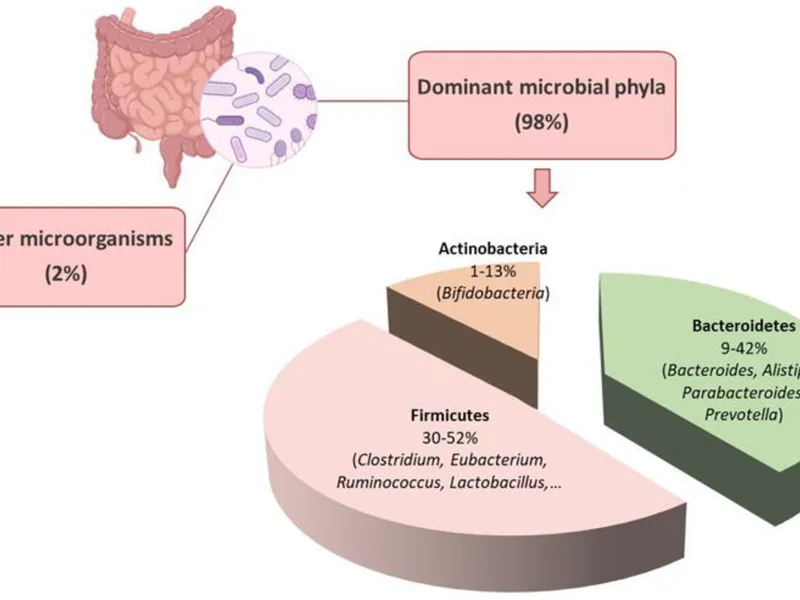
Scientists at the University of Cambridge tested 39 common sweeteners against 25 species of gut bacteria in the lab. About three-quarters of the sweeteners changed how at least one bacterial species grew, and effects got stronger — or weaker — when sweeteners were combined with medications, caffeine
July 23, 2026

Learn about safe skin tag removal in Kolkata, including causes, treatment options, recovery, risks, and when to consult a dermatologist.
May 20, 2026

Looking for corn removal in Kolkata? Learn about symptoms, causes, treatment options, recovery, and prevention tips for painful foot corns.
May 20, 2026