

Emergency & Help
24/7 Emergency & General Advisory
🚨 24/7 Medical Emergency
Non-Emergency Advisory
10:00 AM – 6:00 PM, Mon–Sat
For appointments & general queries.
24/7 Emergency & General Advisory
🚨 24/7 Medical Emergency
Non-Emergency Advisory
10:00 AM – 6:00 PM, Mon–Sat
For appointments & general queries.
Find top-rated hospitals in Pakur for angioplasty. Get expert cardiac care, advanced procedures, and smooth recovery. Book your consultation.
When confronted with a cardiovascular condition necessitating a coronary intervention, choosing the appropriate medical center marks a critical initial step. Within Pakur, numerous healthcare institutions provide advanced interventions for such conditions.
This guide aims to help you understand coronary artery stenting and identify the best facilities tailored to your specific needs.
Coronary intervention, also widely known as percutaneous coronary intervention (PCI), represents a minimally invasive medical process designed to open narrowed or obstructed coronary arteries. These vital vessels deliver blood to the myocardium, or the muscle tissue of the heart.
Blockages, frequently caused by plaque accumulation (atherosclerosis), restrict blood flow, leading to symptoms such as chest pain (angina) or acute myocardial infarctions.
Consider this analogy: your coronary arteries function much like pipes supplying water to your residence. Over time, deposits can obstruct these conduits, diminishing water flow. A coronary intervention effectively clears these blockages, thereby restoring optimal circulation.
During this medical intervention, a slender, pliable tube known as a catheter is inserted into an artery, typically in the wrist or groin. Utilizing X-ray guidance, the catheter is advanced to the affected coronary artery. A diminutive balloon at the catheter's tip is then inflated, pressing the plaque against the arterial wall.
That's the part worth remembering.
Frequently, a small mesh tube, referred to as a stent, is then deployed to maintain the artery's patency. This technique helps in preventing restenosis, or re-narrowing, of the vessel.
Medical professionals advise this intervention for several specific conditions:
Recognizing the warning signs is paramount. Chest discomfort, shortness of breath, and pain radiating to an arm, the jaw, or the back are classic indicators.
India bears a significant burden of cardiovascular ailments; the Indian Heart Association reports that these conditions are the leading cause of mortality, accounting for 25% of all deaths. Early medical action can considerably enhance patient outcomes.
Choosing a medical institution for a coronary intervention involves careful consideration of multiple elements. The caliber of the cardiology department, the proficiency of the medical staff, and the availability of advanced technology are all crucial.
Practically speaking, a well-equipped establishment significantly increases the likelihood of a successful intervention and a smoother recovery period.
Living with the prospect of a heart-related medical intervention can induce stress. Understanding the sequence of events helps to alleviate anxiety.
sufferers are typically admitted on the day of their scheduled intervention. Following preparation, which includes the insertion of an IV line and administration of medication, the patient is transported to the cardiac catheterization laboratory.
Local anesthesia is applied to numb the insertion site. The physician then carefully inserts the catheter. Throughout the intervention, which usually spans 30 to 60 minutes, the patient remains awake yet relaxed. Continuous monitoring of the heart rate, blood pressure, and oxygen saturation levels is standard practice.
This is where most those affected struggle.
Subsequent to the coronary intervention, people generally remain in the medical facility for one to two days. The insertion site is closely observed for any signs of bleeding or swelling.
individuals receive instructions to rest and initially refrain from strenuous activities. Many individuals report feeling considerably better shortly after the intervention, experiencing enhanced energy levels.
The journey to full recovery extends beyond the stay at the medical center. Cardiovascular rehabilitation programs, frequently recommended by medical professionals, play a pivotal role.
These structured programs encompass supervised exercise, education on heart-healthy dietary practices, and techniques for stress management. India's Ministry of Health and Family Welfare actively promotes such wellness initiatives.
Lifestyle modifications are essential for sustaining long-term cardiovascular well-being. These modifications include:
While a coronary intervention is generally considered safe, like all medical procedures, it carries certain risks. These can encompass bleeding at the insertion site, allergic reactions to the contrast dye used, or damage to the blood vessel itself.
In rare instances, more severe complications, such as a myocardial infarction, a stroke, or renal issues, may arise.
The presence of these risks stems from the manipulation of blood vessels and the application of contrast agents. Physicians meticulously assess these potential hazards against the anticipated benefits of the intervention for each patient.
It sounds simple. It rarely is.
India's robust medical infrastructure, featuring institutions like AIIMS, continually strives to mitigate these risks through advanced techniques and stringent protocols.
To minimize risks, medical professionals conduct thorough pre-intervention evaluations. Opting for a medical center with a highly experienced team and sophisticated equipment further enhances safety measures. Strict adherence to post-intervention care instructions is also paramount for achieving a successful outcome.
The cost associated with a coronary intervention can fluctuate based on the specific medical facility, the intricacy of the process, and whether stents are utilized. While precise figures for Pakur necessitate direct inquiry, national averages across India typically range from ₹1,50,000 to ₹3,00,000 or more, contingent upon these variables.
Many medical centers offer financing solutions, and insurance coverage is commonly available for this type of medical treatment.
It is important to note: Government health schemes and private insurance plans frequently provide substantial coverage, thereby enhancing the accessibility of this vital management. It is always advisable to confirm your coverage specifics with your insurance provider and the billing department of the chosen medical institution.
Pakur is equipped with healthcare facilities dedicated to cardiovascular well-being. These medical centers are staffed by specialists trained in interventional cardiology. They offer a spectrum of services, ranging from diagnostic tests like angiograms to the coronary intervention itself, and subsequent recovery support.
It sounds simple. It rarely is.
When seeking medical attention, do not hesitate to pose questions. A clear understanding of your issue, the proposed care plan, and expected results empowers you in your healthcare decisions. Medical professionals are available to guide you through every stage.
If you experience sudden, intense chest discomfort, difficulty breathing, or other potential warning signs indicative of a myocardial infarction, contact emergency services immediately. Promptly seeking assist is crucial.
Early intervention is key to preserving heart muscle and improving survival rates. India's emergency response systems are structured to facilitate rapid access to necessary medical care.
Your cardiovascular health is an ongoing journey, and making informed decisions today can contribute to a healthier tomorrow. We aim to empower you with knowledge to make the most beneficial choices for your well-being.
If you live with diabetes, managing your blood sugar levels is paramount, particularly around the time of a coronary intervention. While rice can be part of a diabetic diet, strict portion control and selecting brown rice over white rice are advisable. Consult your physician or a registered dietitian for personalized dietary recommendations.
That's the part worth remembering.
Most individuals can resume their normal activities within one to two weeks following a coronary intervention. However, complete recovery and the ability to engage in strenuous activities may extend to four to six weeks. Adhere meticulously to your physician's post-intervention instructions.
A coronary intervention can substantially improve blood flow and diminish the risk of future myocardial infarctions, leading to an enhanced quality of life. Long-term success hinges on maintaining a healthy lifestyle, consistently taking prescribed medications, and attending scheduled follow-up appointments with your cardiologist.
Yes, individuals typically need to take several medications after a coronary intervention. These commonly include antiplatelet drugs (such as aspirin and clopidogrel) to prevent stent thrombosis, cholesterol-lowering statins, and potentially blood pressure medications.
Adherence to this medication regimen is crucial for enduring cardiovascular health.
Always consult a qualified physician before making medical decisions.Visit Hospital
Near You
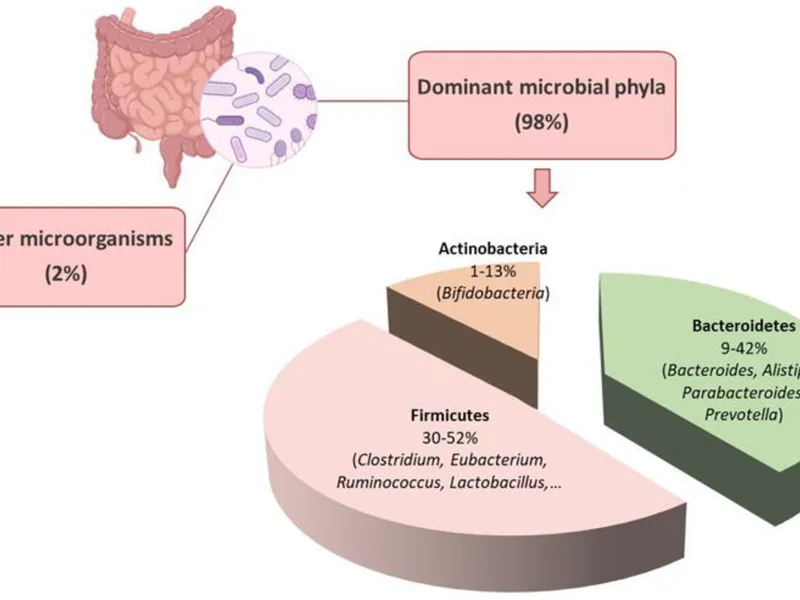
Scientists at the University of Cambridge tested 39 common sweeteners against 25 species of gut bacteria in the lab. About three-quarters of the sweeteners changed how at least one bacterial species grew, and effects got stronger — or weaker — when sweeteners were combined with medications, caffeine
July 23, 2026

Learn about safe skin tag removal in Kolkata, including causes, treatment options, recovery, risks, and when to consult a dermatologist.
May 20, 2026

Looking for corn removal in Kolkata? Learn about symptoms, causes, treatment options, recovery, and prevention tips for painful foot corns.
May 20, 2026