

Emergency & Help
24/7 Emergency & General Advisory
🚨 24/7 Medical Emergency
Non-Emergency Advisory
10:00 AM – 6:00 PM, Mon–Sat
For appointments & general queries.
24/7 Emergency & General Advisory
🚨 24/7 Medical Emergency
Non-Emergency Advisory
10:00 AM – 6:00 PM, Mon–Sat
For appointments & general queries.
Find top endoscopy centres in Ranchi. Get expert diagnostics, advanced technology, and compassionate care for digestive health. Book your appointment.
Finding a reliable endoscopy centre in Ranchi is crucial for accurate diagnosis and effective management of various gastrointestinal (GI) conditions. Many of us have experienced digestive discomfort at some point, making timely and expert medical attention vital. This guide highlights what to look for and where to find exceptional endoscopy services in the city.
Endoscopy is a minimally invasive medical procedure that allows specialists to visualize the internal organs of the digestive tract. Using a thin, flexible tube with a camera attached (an endoscope), physicians can examine the oesophagus, stomach, duodenum, and even the colon.
India has seen a significant rise in digestive disorders; for instance, peptic ulcer disease affects a substantial portion of the population, underscoring the importance of accessible diagnostic tools like endoscopy.
The reality is, subtle changes within the GI tract can signal serious underlying issues. Endoscopy provides a direct view, enabling physicians to identify abnormalities such as inflammation, ulcers, polyps, strictures, and even early-stage cancers.
Early detection is key; for example, identifying precancerous polyps during a colonoscopy can prevent colorectal cancer entirely. The World Health Organization (WHO) recommends regular screening for certain age groups, especially those with a family history of GI cancers.
Here's where it gets interesting.
Here's the thing: this procedure isn't just for diagnosing problems. It's also therapeutic. Specialists can perform biopsies (tissue samples) during the endoscopy or even remove small polyps, all within the same session. This dual diagnostic and therapeutic capability makes endoscopy an indispensable tool in modern gastroenterology.
Understanding the process can alleviate anxiety. Before the procedure, you’ll likely be asked to fast for 6-8 hours. This ensures the stomach is empty for a clear view.
You might receive a mild sedative to help you relax and potentially prevent discomfort. Does this sound familiar? Many people worry about pain, but the sedation usually makes the experience comfortable, sometimes even leading to short-term memory of the procedure itself.
During an upper endoscopy (examining the oesophagus, stomach, and duodenum), the endoscope is gently passed through your mouth. For a colonoscopy (examining the large intestine), it's inserted through the rectum. The entire process typically takes between 15 to 60 minutes, depending on the type of endoscopy and whether any therapeutic interventions are needed.
After the procedure, you'll be monitored for a short period as the sedation wears off. You'll need someone to drive you home due to the lingering effects of the sedative.
When selecting an endoscopy centre, several factors are crucial. You'll want to consider the expertise of the physicians performing the procedures. Are they board-certified gastroenterologists or GI surgeons with extensive experience?
And yet, so many people miss it.
You should also look into the technology and equipment used. Modern centres often employ high-definition endoscopes and advanced imaging capabilities, which assist in detecting subtle abnormalities.
Worth knowing: patient reviews and testimonials can offer valuable insights into the quality of care and patient experience. A centre’s accreditation and adherence to safety protocols (like those recommended by the Indian Society of Gastroenterology) are also vital indicators of a high standard of care.
The comfort and privacy of the facility matter too, contributing to a less stressful experience for those affected.
Endoscopy encompasses a range of procedures tailored to different parts of the digestive system. Here are some of the most typical ones you might find at a leading centre in Ranchi:
This is the standard procedure for examining the upper part of your digestive tract. Physicians use it to diagnose conditions like gastritis, peptic ulcers, GERD (gastroesophageal reflux disease), and oesophageal varices.
It helps in identifying the cause of persistent heartburn, nausea, vomiting, or difficulty swallowing. According to data from the Indian Council of Medical Research (ICMR), gastrointestinal cancers are a considerable health concern in India, and upper endoscopy plays a vital role in their early detection.
A colonoscopy allows specialists to visualise the entire large intestine (colon) and rectum. It is the gold standard for detecting colorectal cancer, inflammatory bowel disease (IBD) like Crohn's disease and ulcerative colitis, and polyps.
That alone changes everything.
Regular colonoscopies are recommended for individuals over 45 or those with a family history of colon cancer. The American Heart Association (AHA) guidelines, while focused on cardiovascular health, also stress the importance of overall wellness, which includes proactive GI screening.
Similar to a colonoscopy but examines only the lower part of the colon (sigmoid colon) and rectum. It is often used to investigate rectal bleeding or changes in bowel habits. It’s a less extensive procedure than a full colonoscopy.
ERCP is a specialized technique that combines endoscopy with X-rays. It’s used to diagnose and treat problems in the bile and pancreatic ducts, such as gallstones, inflammation, or tumours. This is a more complex procedure often performed by highly specialized physicians.
EUS uses ultrasound waves transmitted from an endoscope to create detailed images of the digestive tract lining and nearby organs. It's particularly useful for staging cancers and diagnosing pancreatic conditions. The precision offered by EUS can significantly improve treatment planning.
That alone changes everything.
Living with chronic digestive issues can be genuinely hard. The constant discomfort, the uncertainty, and the impact on daily life—from diet to social activities—can be overwhelming. Many people struggle with symptoms like bloating, abdominal pain, and irregular bowel movements, often fearing the worst.
What should you actually do? Seeking professional aid is the first, most vital step.
Take, for example, a patient diagnosed with Irritable Bowel Syndrome (IBS). Initially, they might have felt lost, unsure of the cause or how to manage it. With the support of a gastroenterologist and appropriate diagnostic tests like endoscopy, they received a clear diagnosis.
Following a tailored management plan, which might include dietary changes and medication, they saw considerable improvement in their quality of life. This journey highlights how timely intervention and expert guidance can transform the experience of living with a GI condition.
Understanding the costs associated with endoscopy is essential. Prices can vary based on the type of procedure, the facility, and whether any therapeutic interventions are performed.
Most reputable centres in Ranchi will provide a clear estimate beforehand. It's wise to inquire about the inclusions in the package – does it cover the physician's fee, anaesthesia, and post-procedure care?
The numbers don't lie.
You'll notice that many centres accept various health insurance plans. Always confirm with your insurance provider and the endoscopy centre whether the specific procedure is covered under your policy.
Having this information readily available can ease financial concerns, allowing you to focus on your health. India's healthcare landscape is evolving, with more comprehensive insurance coverage becoming available, assisting millions.
To ensure a smooth experience, proper preparation is key. Follow all pre-procedure instructions given by the centre meticulously. This typically includes dietary restrictions and medication adjustments.
Inform your doctor about all medications you are currently taking, including over-the-counter drugs and supplements. What should you actually do? Arrive at the centre on time, with your identification and insurance details, and the necessary transportation arranged for your return journey.
It sounds simple. It rarely is.
While medical procedures are essential for diagnosis and therapy, lifestyle makes a real difference in maintaining digestive health. A balanced diet rich in fibre, adequate hydration, regular physical activity, and stress management can significantly reduce the risk of many GI problems. For instance, a study published in The Lancet highlighted the strong correlation between diet and gut health.
Limiting processed foods, excessive alcohol, and smoking can further support a healthy digestive system. Remember, small, consistent changes can lead to substantial long-term benefits.
We often see patients who, after successful endoscopic management, make major lifestyle modifications. They understand that proactive self-care is as essential as the medical interventions.
This holistic approach strengthens the body's natural healing capabilities and boosts overall well-being. The journey to better digestive health is a partnership between you and your healthcare provider.
Ranchi boasts several highly competent endoscopy centres equipped with modern technology and staffed by experienced medical professionals. When seeking care, prioritize centres known for their patient-centric approach and successful outcomes.
Institutions like Apollo Hospitals, Udayan Hospital, and various private clinics have dedicated gastroenterology departments offering these vital services.
The key is to research, ask questions, and choose a facility that aligns with your healthcare needs and comfort level. Ensuring you receive care from qualified specialists is paramount. Remember, investing in your digestive health today can prevent more serious issues tomorrow.
The numbers don't lie.
Managing diabetes involves careful consideration of carbohydrate intake. While rice is a staple, its impact on blood sugar levels is meaningful. Opting for brown rice or smaller portions of white rice, paired with protein and fibre, can support mitigate blood sugar spikes. Always consult your doctor or a dietitian for personalized dietary advice.
Signs that might necessitate an endoscopy include persistent heartburn, difficulty swallowing, unexplained weight loss, chronic abdominal pain, or blood in your stool. Nausea, vomiting, and changes in bowel habits can also be indicators. Your physician will assess your indicators to determine if an endoscopic procedure is required.
Recovery time varies but is generally short. For upper endoscopy or colonoscopy with sedation, most people can resume normal activities the next day, though some grogginess from the sedation may persist for a few hours. You will need someone to drive you home after the procedure. Your doctor will provide specific post-procedure instructions.
Endoscopy procedures are typically performed under sedation, which makes them comfortable and largely pain-free. You might feel some mild bloating or cramping afterwards. The goal of sedation is to ensure you are relaxed and experience minimal discomfort during the examination. Your comfort and safety are the top priorities for the medical team.
Most people overlook this completely.
Always consult a qualified physician before making medical decisions.
Visit Hospital
Near You
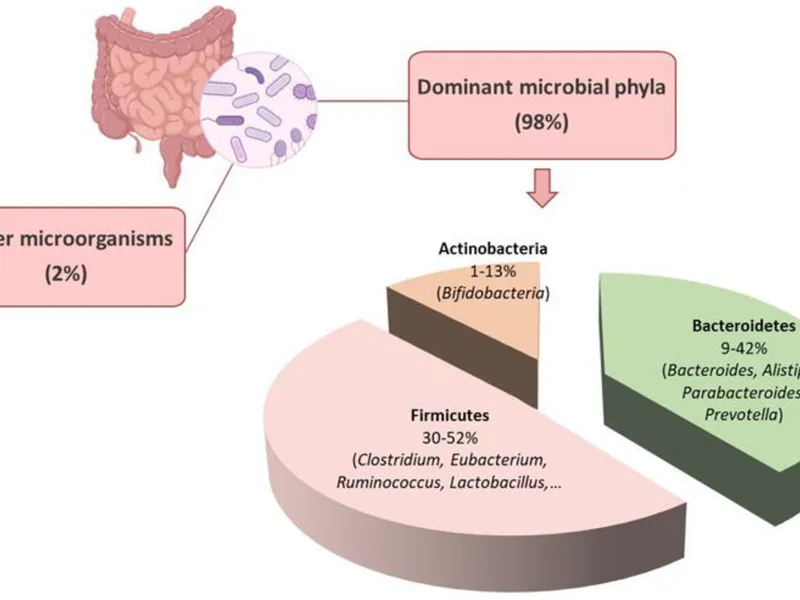
Scientists at the University of Cambridge tested 39 common sweeteners against 25 species of gut bacteria in the lab. About three-quarters of the sweeteners changed how at least one bacterial species grew, and effects got stronger — or weaker — when sweeteners were combined with medications, caffeine
July 23, 2026

Learn about safe skin tag removal in Kolkata, including causes, treatment options, recovery, risks, and when to consult a dermatologist.
May 20, 2026

Looking for corn removal in Kolkata? Learn about symptoms, causes, treatment options, recovery, and prevention tips for painful foot corns.
May 20, 2026