

Emergency & Help
24/7 Emergency & General Advisory
🚨 24/7 Medical Emergency
Non-Emergency Advisory
10:00 AM – 6:00 PM, Mon–Sat
For appointments & general queries.
24/7 Emergency & General Advisory
🚨 24/7 Medical Emergency
Non-Emergency Advisory
10:00 AM – 6:00 PM, Mon–Sat
For appointments & general queries.
Explore depression treatment options available in Dumka, Jharkhand. Understand therapy, medication, and support systems for mental well-being.
Depression, a pervasive mental health condition, affects millions across India. In Dumka, like elsewhere, recognizing and seeking appropriate care is vital. This guide explores the various avenues for depression management available locally, offering clarity and support to those affected.
Living with depression can feel like navigating a dense fog. The World Health Organization (WHO) estimates that over 264 million people globally suffer from this issue.
India bears a significant burden, with studies indicating a rising prevalence. Here's the thing — while the stigma surrounding mental health persists, understanding the therapy landscape is the first step towards recovery.
Depression manifests differently in individuals, but common indicators include persistent sadness, loss of interest in activities, changes in sleep patterns (insomnia or hypersomnia), fatigue, feelings of worthlessness or excessive guilt, and difficulty concentrating or making decisions. Some people might also experience physical symptoms like headaches or digestive issues.
Have you ever wondered why?
The reality is, these are not signs of weakness but genuine medical manifestations. Early recognition is crucial for timely intervention. Specialists often use diagnostic criteria outlined in the DSM-5 (Diagnostic and Statistical Manual of Mental Disorders, 5th Edition) to identify major depressive disorder.
And yet, so many people miss it.
Fortunately, a range of effective management options are accessible in Dumka. These generally fall into two main categories: psychotherapy (talk therapy) and pharmacotherapy (medication), often used in combination for optimal results.
Psychotherapy, or counseling, provides a safe space to explore thoughts, feelings, and behaviors with a trained professional. Several types of therapy have proven highly successful for depression.
Finding the right therapist is key. Many clinics and individual practitioners in Dumka offer these therapies. The initial sessions often involve assessment and establishing a therapeutic alliance — a strong, trusting relationship between patient and therapist. We often see that building this rapport is foundational for successful therapy.
For moderate to severe depression, or when psychotherapy alone isn't sufficient, antidepressant medications can be incredibly helpful. These drugs work by balancing neurotransmitters in the brain, such as serotonin and norepinephrine, which play a vital role in mood regulation.
What most people miss is that medication takes time to work. It can take several weeks (typically 4-8) to feel the full benefits. Physicians will carefully monitor dosage and potential side effects. It is crucial to never stop taking antidepressants abruptly without consulting your doctor, as this can lead to withdrawal signs.
That alone changes everything.
Locating qualified mental health professionals is paramount. Dumka has a growing number of clinics and hospitals that house psychiatric departments. You can find:
You can seek referrals from your general physician or search online directories. Patient testimonials and reviews can offer insights, though personal experiences vary. Remember, the goal is to find a specialist you feel comfortable and confident with.
Beyond formal therapy and medication, a holistic approach can significantly boost recovery. This includes:
Honestly, integrating these habits into daily life requires conscious effort, but the long-term benefits for mental resilience are substantial. Think of it like tending a garden — consistent care yields the most beautiful blooms.
Family and community support systems are crucial pillars in a person's journey towards mental wellness. Educating loved ones about depression helps them be aware of the situation better and offer powerful support. Open communication within the family can alleviate feelings of shame or isolation experienced by the person affected.
Community programs and awareness drives in Dumka can also play a notable role in destigmatizing mental health issues. When a community fosters an environment of acceptance and understanding, individuals feel more empowered to seek benefit without fear of judgment.
It sounds simple. It rarely is.
The National Health Mission (NHM) in India actively promotes such awareness initiatives.
Despite progress, challenges remain. The stigma associated with mental illness can deter individuals from seeking benefit.
Financial constraints and accessibility issues in some areas might also pose hurdles. However, with increasing awareness and the availability of resources like tele-mental health services (which can bridge geographical gaps), overcoming these obstacles is becoming more feasible.
But why does this happen? Stigma often stems from a lack of understanding. When people learn that depression is a medical disorder, not a character flaw, attitudes can shift dramatically. Resources are available, and reaching out is a sign of strength.
The duration of depression approach varies greatly depending on the individual's concern severity, response to therapy, and chosen approach. Some may find relief within a few months, while others might require longer-term care, potentially spanning a year or more.
Consistent engagement with your healthcare provider is key to determining the right timeline for you.
While 'cure' might be a strong word, depression is highly manageable and often treatable to the point where individuals can achieve long-term remission and live fulfilling lives. Many people experience periods of wellness with occasional recurrence, which can be managed effectively with ongoing support and approach strategies.
That's the part worth remembering.
The focus is on sustained well-being and relapse prevention.
Support groups can be invaluable for sharing experiences and finding solidarity. While specific, formal groups may vary in availability, local community centers, hospitals, or mental health clinics in Dumka might offer or be aware of such resources.
Inquiring directly with healthcare providers or searching online platforms for mental health support networks can aid identify available options.
If you suspect a loved one is experiencing depression, approach them with empathy and concern. Encourage them to seek professional support from a doctor or mental health specialist.
Offer practical support, such as accompanying them to appointments or helping with daily tasks, and listen without judgment. Your support can make a marked difference in their willingness to seek and adhere to therapy.
Always consult a qualified physician before making medical decisions.
Visit Hospital
Near You
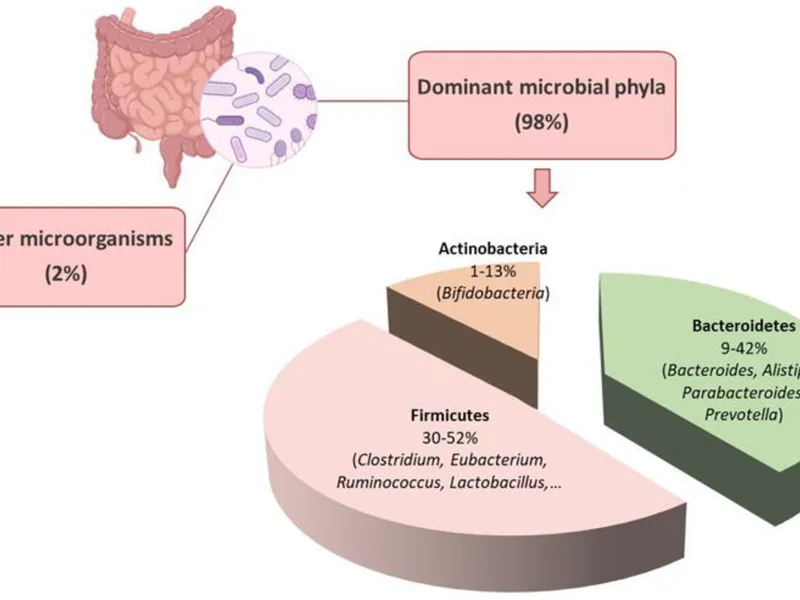
Scientists at the University of Cambridge tested 39 common sweeteners against 25 species of gut bacteria in the lab. About three-quarters of the sweeteners changed how at least one bacterial species grew, and effects got stronger — or weaker — when sweeteners were combined with medications, caffeine
July 23, 2026

Learn about safe skin tag removal in Kolkata, including causes, treatment options, recovery, risks, and when to consult a dermatologist.
May 20, 2026

Looking for corn removal in Kolkata? Learn about symptoms, causes, treatment options, recovery, and prevention tips for painful foot corns.
May 20, 2026