

Emergency & Help
24/7 Emergency & General Advisory
🚨 24/7 Medical Emergency
Non-Emergency Advisory
10:00 AM – 6:00 PM, Mon–Sat
For appointments & general queries.
24/7 Emergency & General Advisory
🚨 24/7 Medical Emergency
Non-Emergency Advisory
10:00 AM – 6:00 PM, Mon–Sat
For appointments & general queries.
Explore depression treatment options in Khunti, Jharkhand. Learn about therapy, medication, and local support resources for mental well-being.
Depression is a serious mood disorder. It affects how you feel, think, and behave. In Khunti, like elsewhere in India, accessing timely and effective therapy is vital for recovery.
Many people experience its debilitating effects, impacting daily life significantly. You'll notice that seeking help is the first crucial step towards regaining control.
Living with depression is genuinely hard. The persistent sadness, loss of interest, and fatigue can feel overwhelming. However, with the right approach, recovery is absolutely possible. We often see individuals in Khunti grappling with these challenges, searching for reliable solutions.
Psychotherapy, often called talk therapy, is a cornerstone of depression intervention. It involves talking with a trained mental health professional. Cognitive Behavioral Therapy (CBT) is particularly impactful.
CBT helps individuals identify and change negative thought patterns and behaviors. Dialectical Behavior Therapy (DBT) is also beneficial, focusing on emotional regulation and interpersonal skills. Therapy provides a safe space to explore feelings and develop coping mechanisms.
Therapy sessions are typically held weekly. The duration varies depending on individual needs and progress. Your therapist will work with you to set goals. Practically speaking, consistent attendance is key to seeing improvements. Many people find this approach empowering, as it equips them with tools for long-term well-being.
That alone changes everything.
Antidepressant medications can be very proven for moderate to severe depression. These drugs work by balancing certain brain chemicals, like serotonin and norepinephrine. Selective Serotonin Reuptake Inhibitors (SSRIs) are commonly prescribed.
Your doctor will determine the most suitable medication and dosage. It is crucial to take prescribed medications exactly as directed.
Medication often works best when combined with psychotherapy. It can take several weeks to feel the full benefits of an antidepressant. What should you actually do if you experience side effects? Discuss any concerns immediately with your physician.
They can adjust the dosage or switch medications if necessary. India has a significant burden of mental health conditions; for instance, the National Mental Health Survey 2015-16 reported that 1 in 8 adults experienced mental illness. impactful approach is thus paramount.
Alongside formal approach, lifestyle changes can significantly boost recovery. Regular physical activity is a powerful mood enhancer. Aim for at least 30 minutes of moderate exercise most days of the week.
Here's where it gets interesting.
Eating a balanced diet rich in fruits, vegetables, and whole grains supports brain health. Adequate sleep, typically 7-9 hours per night, is also vital. Reducing alcohol and recreational drug use is equally important.
Here's the thing — small, consistent changes can make a big difference. Engaging in hobbies you enjoy, spending time in nature, and practicing mindfulness or meditation can further support your mental state.
Building a strong social support network is also a crucial element. Connecting with friends and family provides comfort and reduces feelings of isolation.
Khunti has a growing number of qualified mental health professionals. Psychiatrists are medical doctors specializing in mental health. They can diagnose conditions, prescribe medication, and offer therapy.
Psychologists hold advanced degrees in psychology. They primarily provide psychotherapy and psychological assessments. Finding the right specialist is a personal journey.
When searching for a doctor in Khunti, consider their experience and specialization. Do they treat depression? What is their approach to therapy?
Asking these questions helps ensure a good fit. The Indian Psychiatric Society is a key resource for finding qualified professionals. Consulting with a specialist ensures you receive evidence-based care tailored to your needs.
Recovery is rarely linear.
Your family doctor or general physician is often a good starting point. They can provide an initial assessment and refer you to specialists. Many primary care physicians in Khunti are trained to recognize and manage common mental health issues.
They can rule out physical conditions that might mimic depression symptoms. Don't hesitate to discuss your concerns with them.
Support groups offer a space for shared experiences and mutual encouragement. While specific depression support groups might be nascent in Khunti, related initiatives may exist. Look for community health centers or NGOs focusing on wellness.
Connecting with others who understand can be incredibly validating. What's the bottom line here? You are not alone in this struggle.
The rise of telemedicine has made mental health support more accessible. Numerous platforms connect patients with therapists and psychiatrists online. This is a convenient option if in-person appointments are challenging.
Services like Practo or YourDOST offer consultations with verified professionals across India. This can be particularly helpful for those in areas with limited local specialists. India has seen a surge in digital health adoption, with mental health services forming a meaningful part.
The numbers don't lie.
Depression prevalence in India is a notable public health concern. 5% of the Indian population suffers from depressive disorders. The National Institute of Mental Health and Neurosciences (NIMHANS) in Bangalore is a leading institution researching these issues.
Stigma surrounding mental illness remains a major barrier to seeking aid. Many individuals fear judgment or discrimination.
Bridging the gap between need and access is crucial. The government's National Mental Health Programme aims to address this. However, resource limitations and geographical barriers persist.
For instance, the doctor-to-population ratio for mental health professionals in rural India is starkly lower than in urban centers. This highlights the importance of accessible options like telemedicine and community-based initiatives.
Recovery from depression is a journey, not a race. There will be good days and challenging days. Celebrating small victories along the way is crucial. Remember that seeking professional assist is a sign of strength, not weakness. The dedicated healthcare providers in Khunti are committed to supporting your path to wellness.
You've got this! With consistent effort and the right support, you can navigate through depression and find your way back to a fulfilling life. Think of it like learning to ride a bicycle; it takes practice, maybe a few falls, but eventually, you’ll find your balance and enjoy the ride. Your mental well-being is a priority, and support is available.
This is where most those affected struggle.
Yes, you can eat rice. There are no specific food restrictions for depression itself. However, a balanced diet is crucial for overall mental health. Some people find that large amounts of refined carbohydrates can affect their mood, so moderation is often advised.
The duration of depression intervention varies greatly. For some, therapy and medication may bring considerable relief within a few weeks. For others, it can take months or even longer to achieve substantial improvement. Consistent engagement with your therapy plan is key.
Absolutely. While access might present challenges, management is available. Options include local healthcare providers, telemedicine services connecting you to specialists, and community support initiatives. The key is to explore the resources accessible to you and seek professional guidance.
prevalent signs include persistent sadness, loss of interest in activities, fatigue, changes in appetite or sleep, feelings of worthlessness, and difficulty concentrating. If you experience several of these for two weeks or more, it's vital to consult a doctor.
Here's where it gets interesting.
Always consult a qualified physician before making medical decisions.Visit Hospital
Near You
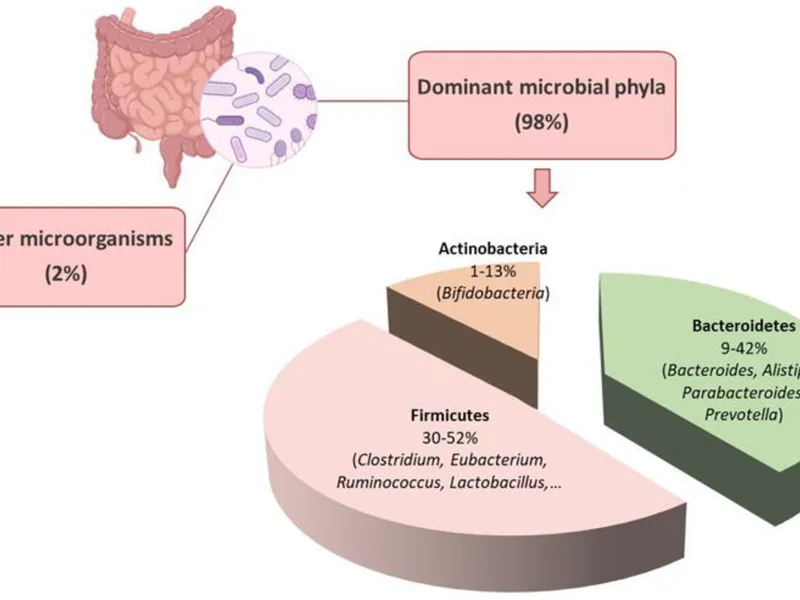
Scientists at the University of Cambridge tested 39 common sweeteners against 25 species of gut bacteria in the lab. About three-quarters of the sweeteners changed how at least one bacterial species grew, and effects got stronger — or weaker — when sweeteners were combined with medications, caffeine
July 23, 2026

Learn about safe skin tag removal in Kolkata, including causes, treatment options, recovery, risks, and when to consult a dermatologist.
May 20, 2026

Looking for corn removal in Kolkata? Learn about symptoms, causes, treatment options, recovery, and prevention tips for painful foot corns.
May 20, 2026