

Emergency & Help
24/7 Emergency & General Advisory
🚨 24/7 Medical Emergency
Non-Emergency Advisory
10:00 AM – 6:00 PM, Mon–Sat
For appointments & general queries.
24/7 Emergency & General Advisory
🚨 24/7 Medical Emergency
Non-Emergency Advisory
10:00 AM – 6:00 PM, Mon–Sat
For appointments & general queries.
Explore diabetes reversal programs in Sasaram. Discover expert care, proven methods, and lifestyle changes to manage and potentially reverse diabetes.
This chronic condition, characterized by elevated blood sugar levels, impacts millions across India. Across Sasaram, as in other regions, the emphasis is evolving beyond merely managing this ailment to investigate pathways for its potential remission.
At its core, this method involves rigorous adjustments to daily habits and clinical interventions designed to reinstate the body's inherent responsiveness to insulin.
In practical terms, achieving remission for type 2 of this issue signifies reaching and sustaining normal blood glucose levels independent of pharmaceutical intervention. While a substantial endeavor, it presents significant advantages for overall well-being.
This journey demands unwavering commitment, yet the rewards—including enhanced energy, a diminished risk of complications, and an improved quality of life—are considerable.
Type 2 of this metabolic disorder frequently arises from insulin resistance, a state where the body's cells fail to respond adequately to the hormone insulin. Factors such as excessive body weight, insufficient physical activity, and genetic predispositions can contribute to this disorder.
Strategies for improving the situation aim to address these foundational problems.
It is crucial to understand that this is not a miraculous cure, but rather a diligent process. A primary principle centers on decreasing visceral fat—adipose tissue surrounding the organs—which has a strong association with the body's diminished response to insulin.
This is where most patients struggle.
When this fat is significantly reduced, the body's cells can regain their sensitivity to insulin.
Sasaram is home to numerous healthcare facilities and specialists dedicated to comprehensive care for this issue. Identifying an appropriate program requires locating physicians and clinics with expertise in metabolic wellness and managing blood sugar issues.
Endocrinologists are the primary specialists for this ailment. However, a multidisciplinary team, which may include dietitians, exercise physiologists, and even psychologists, can offer critical assistance. These professionals collaborate to construct a personalized strategy.
Often, general physicians can initiate discussions and refer those affected to specialized centers. The Indian Council of Medical Research (ICMR) advocates for integrated care models concerning chronic conditions such as this.
Nutrition plays a pivotal role in managing and potentially achieving remission for type 2 of this concern. The objective is to stabilize blood sugar levels and improve the body's responsiveness to insulin.
This is where most those affected struggle.
Crafting a balanced meal plan is essential. Aim for meals that feature a good source of protein, beneficial fats, and an abundance of non-starchy vegetables.
Portion regulation is also vital. For instance, a typical Indian meal might necessitate adjustments to reduce high-glycemic ingredients like white rice or potatoes, substituting them with alternatives such as millets or quinoa.
Adopting a new way of eating can indeed be challenging. Collaborating with a registered dietitian in Sasaram can significantly smooth this transition and ensure adequate nutrition. They can help create culturally relevant meal plans that align with remission objectives.
Physical activity is a cornerstone of managing this disorder and serves as a potent means for achieving remission. It directly influences the body's sensitivity to insulin and assists in shedding excess pounds, both being critical elements.
The extent to which inactivity contributes to the rising rates of type 2 of this metabolic disorder globally is major. A study published in The Lancet highlighted that consistent movement can lower the likelihood of developing type 2 of this ailment by as much as 40%.
Recovery is rarely linear.
Beyond dietary choices and physical activity, several other daily habits influence the control of this concern and the possibility of remission.
Chronic stress can elevate blood sugar levels through the release of hormones like cortisol. Techniques such as mindfulness, meditation, deep breathing exercises, and engaging in hobbies can prove highly beneficial. Stress hormones are known to disrupt the action of this hormone.
Sleep deprivation is increasingly linked to metabolic dysfunction, including a diminished response to insulin. Strive for 7-9 hours of quality sleep each night. Establishing a consistent sleep schedule and creating a relaxing bedtime routine are key.
Smoking significantly increases the danger of complications from this situation, particularly cardiovascular issues. Quitting smoking is a vital step for anyone managing this situation. Support groups and physician-assisted programs can provide the necessary assist.
Many individuals in Sasaram have embarked on the journey towards remission from this situation with positive outcomes. Consider the case of Mr.
Sharma (name changed), a 55-year-old resident who participated in a structured program. Initially diagnosed with type 2 of this disorder and struggling with medication side effects, he adopted a low-carbohydrate diet and a daily walking routine under the guidance of a local specialist.
And yet, so many people miss it.
Within six months, Mr. 8%—enabling him to reduce his medication dosage considerably. He also reported increased energy levels and improved overall well-being.
This experience underscores the potential of personalized, medically supervised interventions involving daily habits. Often, individuals discover that making these changes not only assists with their blood sugar control but also enhances other indicators of well-being.
While achieving remission from this problem holds notable promise, it's important to approach it with realistic expectations. Not everyone may attain full remission, and the process requires consistent effort and dedication. It is essential to recognize that this is a marathon, not a sprint.
Some individuals may face genetic predispositions or other existing medical conditions that render remission more challenging. Open communication with your healthcare team about any difficulties encountered is crucial.
Physicians often rely on established protocols, such as those recommended by the American Heart Association (AHA) for cardiovascular wellness management for those with the disorder.
Unsupervised efforts to achieve remission can be risky, especially if medications are involved. Incorrect dietary changes or physical activity regimens could lead to adverse effects like hypoglycemia (dangerously low blood sugar) or nutrient deficiencies. Always consult a qualified physician before making medical decisions.
That alone changes everything.
While rice, particularly white rice, can significantly raise blood sugar levels due to its high glycemic index, moderate consumption of smaller portions might be permissible within a balanced meal plan under medical guidance. Opting for brown rice or other whole grains can be a better alternative.
Remission, often referred to as a sustained improvement, is achieved when blood sugar levels return to a non-diabetic range without medication. However, it requires ongoing commitment to beneficial daily habits; if such changes are abandoned, the problem can return.
The timeline for achieving remission varies greatly among individuals and depends on factors like the duration of the problem, adherence to the program, and the extent of changes to daily habits implemented. Some people may observe marked improvements within months, while for others, it might extend to a year or more.
Physical activity is vital as it directly enhances the body's sensitivity to insulin, allowing your body to use glucose more effectively. Regular physical movement also aids in shedding excess pounds and improves cardiovascular well-being, both of which are crucial for managing and potentially achieving remission for type 2 of this disorder.
It sounds simple. It rarely is.
Visit Hospital
Near You
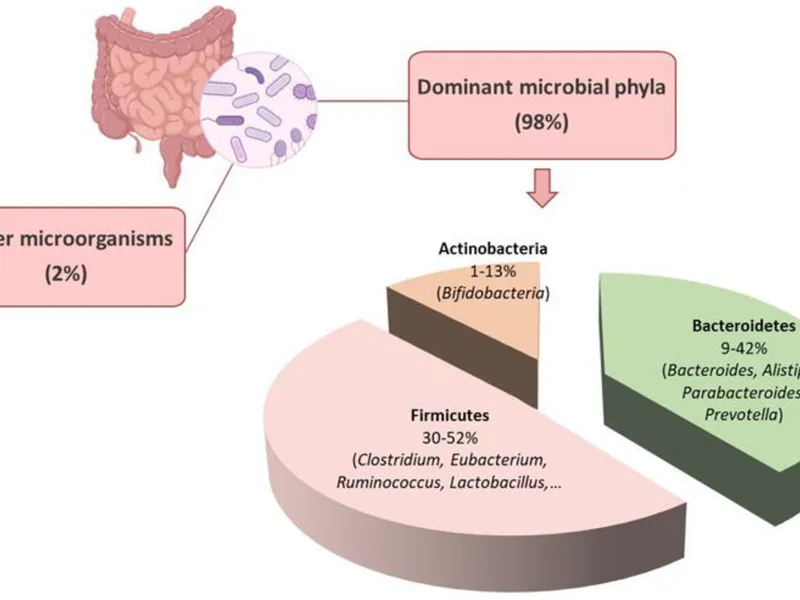
Scientists at the University of Cambridge tested 39 common sweeteners against 25 species of gut bacteria in the lab. About three-quarters of the sweeteners changed how at least one bacterial species grew, and effects got stronger — or weaker — when sweeteners were combined with medications, caffeine
July 23, 2026

Learn about safe skin tag removal in Kolkata, including causes, treatment options, recovery, risks, and when to consult a dermatologist.
May 20, 2026

Looking for corn removal in Kolkata? Learn about symptoms, causes, treatment options, recovery, and prevention tips for painful foot corns.
May 20, 2026