

Emergency & Help
24/7 Emergency & General Advisory
🚨 24/7 Medical Emergency
Non-Emergency Advisory
10:00 AM – 6:00 PM, Mon–Sat
For appointments & general queries.
24/7 Emergency & General Advisory
🚨 24/7 Medical Emergency
Non-Emergency Advisory
10:00 AM – 6:00 PM, Mon–Sat
For appointments & general queries.
Need a digestive disease doctor in Hooghly? Learn what a gastroenterologist does and how to find the best specialist for your needs.
Gastrointestinal issues are remarkably prevalent; many individuals encounter discomfort at some stage. When these problems persist or become severe, it becomes essential to seek professional medical assistance.
Within the Hooghly region, locating the appropriate physician specializing in gastrointestinal health, commonly known as a gastroenterologist, can significantly impact one's overall well-being. These medical professionals possess specialized training to diagnose and manage ailments affecting the alimentary canal, the hepatic system, and the pancreas.
A gastroenterologist is a medical doctor who has undergone advanced training focused on the gastrointestinal (GI) system. This intricate system encompasses the esophagus, stomach, small intestine, large intestine (also known as the colon), rectum, and anus.
On top of that,, these specialists manage issues linked to ancillary organs such as the liver, gallbladder, and pancreas. Their expertise covers a broad spectrum of medical concerns, ranging from routine indigestion to intricate illnesses like inflammatory bowel disorders (IBD) and hepatic cirrhosis.
Recovery is rarely linear.
Key areas of concentration for a GI specialist typically involve:
In practical terms, they serve as the primary experts for enduring heartburn, abdominal discomfort, alterations in bowel patterns, difficulty with swallowing, and unexplained weight reduction.
Gastroenterologists address a wide array of medical concerns. Among the most frequently encountered are:
Ultimately, these medical situations can significantly affect daily existence, influencing everything from dietary choices to overall energy levels.
You should consider seeking advice from a gastroenterologist in the Hooghly area if you consistently experience any of the following indicators:
The reality is that disregarding these signs can lead to more serious complications over time. Prompt diagnosis and appropriate intervention are crucial for effectively managing such matters.
Selecting the appropriate specialist represents a crucial step toward recovery. Here’s how one can find a reputable gastrointestinal health doctor in Hooghly:
Request a referral from your primary care physician. Friends, family members, or colleagues who have had positive experiences with a GI specialist can also offer valuable perspectives. Word-of-mouth recommendations often prove highly dependable.
Confirm that the physician holds board certification in Gastroenterology. Look for experts with substantial experience in treating your specific health concern. Many prominent institutions, such as AIIMS and Apollo Hospitals, maintain rigorous credentialing processes.
Some GI doctors concentrate on particular sub-specialties, such as inflammatory bowel problems, hepatic conditions, or therapeutic endoscopy. If you have a known complex ailment, finding a physician with that specific area of focus can be advantageous.
Online reviews can offer insights into other patients' encounters regarding a doctor's demeanor, waiting periods, and overall satisfaction. However, these should serve as a guide, not the sole determinant.
The numbers don't lie.
Factor in the location of the doctor's clinic within Hooghly and how accessible it is. Convenient access for regular appointments and potential procedures holds significant importance.
Ascertain which hospitals the GI specialist is affiliated with. Reputable medical centers often uphold elevated standards of patient care and possess advanced medical technology.
Gastroenterologists employ various diagnostic instruments to pinpoint the root cause of your symptoms. Endoscopy and colonoscopy stand out as two of the most impactful procedures. An upper endoscopy (EGD) allows for direct visualization of the esophagus, stomach, and duodenum.
A colonoscopy, conversely, examines the entirety of the large intestine. These interventions can frequently identify issues such as inflammation, ulcers, polyps, and tumors. What many individuals overlook is that biopsies can be collected during these procedures for subsequent laboratory analysis, providing definitive diagnoses for health problems like celiac sickness or cancer.
Other tests may include blood analyses to assess hepatic function and detect signs of infection, stool examinations to identify bleeding or infectious agents, and imaging modalities like ultrasounds or CT scans to provide a clearer view of abdominal organs.
Once a diagnosis has been established, your GI specialist will formulate a customized approach strategy. This approach is highly dependent on the specific ailment, its severity, and your overall health status. Therapy might encompass:
That's the part worth remembering.
Coping with a chronic gastrointestinal ailment is undeniably challenging. It demands both patience and consistent management, yet with appropriate medical attention, many individuals can lead fulfilling lives. The ultimate goal is consistently to enhance your quality of life and effectively manage indicators.
The Hooghly district offers a selection of proficient GI specialists and well-appointed healthcare facilities. Whether you are contending with a minor stomach upset or a complex hepatic problem, finding a physician who listens attentively and offers clear guidance is paramount.
Remember, your gastrointestinal well-being constitutes a critical element of your overall health. Do not hesitate to seek expert assistance.
So, what does this signify for you? Proactively engaging in understanding your gastrointestinal health and seeking timely medical advice can prevent minor concerns from escalating into major health crises. It represents an investment in your long-term wellness.
For the majority of stomach ulcers, plain white rice is generally considered safe and easy to digest. However, heavily spiced or seasoned rice preparations might irritate your stomach lining. It is advisable to adhere to simple cooking methods and avoid any trigger foods recommended by your physician.
It sounds simple. It rarely is.
The suggested interval for colonoscopies varies based on age, individual risk factors, and prior findings. Typically, adults between 45 and 75 years of age should consider screening colonoscopies every 10 years, unless their physician advises otherwise due to personal or family medical history.
Early signs of hepatic impairment can be subtle, including fatigue, general weakness, and abdominal discomfort. As the issue advances, one might observe jaundice (a yellowing of the skin and eyes), swelling in the legs and abdomen, and dark urine. Prompt medical evaluation is crucial if these indicators manifest.
No, indigestion (dyspepsia) frequently results from overeating, consuming food too rapidly, or ingesting specific foods and beverages. However, if indigestion is persistent, severe, or accompanied by other warning signs such as difficulty swallowing or unexplained weight loss, it warrants a consultation with a gastrointestinal health physician.
Always consult a qualified physician before making medical decisions.
Visit Hospital
Near You
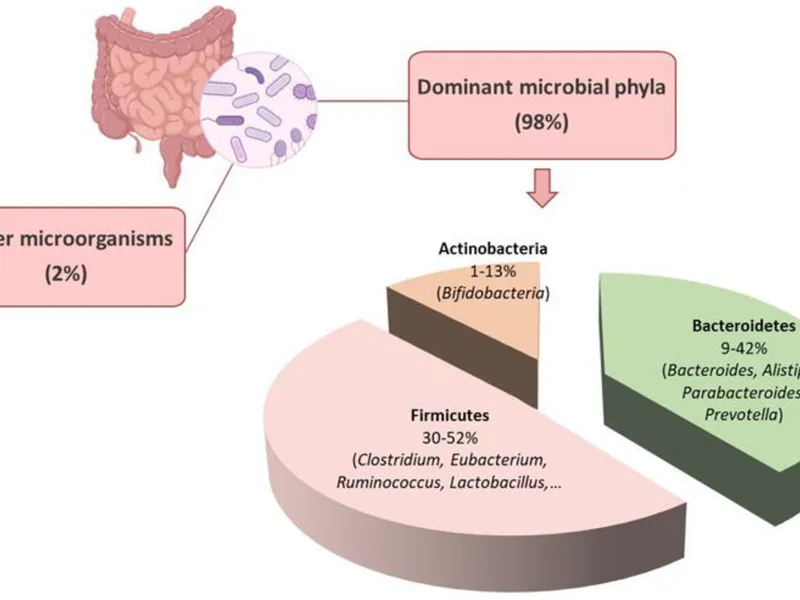
Scientists at the University of Cambridge tested 39 common sweeteners against 25 species of gut bacteria in the lab. About three-quarters of the sweeteners changed how at least one bacterial species grew, and effects got stronger — or weaker — when sweeteners were combined with medications, caffeine
July 23, 2026

Learn about safe skin tag removal in Kolkata, including causes, treatment options, recovery, risks, and when to consult a dermatologist.
May 20, 2026

Looking for corn removal in Kolkata? Learn about symptoms, causes, treatment options, recovery, and prevention tips for painful foot corns.
May 20, 2026