Skin Condition Management Options in Bokaro
Millions across India experience various skin conditions, and individuals residing in Bokaro are no exception. Frequently, people contend with issues ranging from common acne to more intricate dermatological concerns. Living with persistent skin problems can significantly diminish one's quality of life, impacting both self-esteem and daily comfort. Fortunately, access to reliable and expert healthcare is readily available within this region.
Consider this perspective: The skin, as the body's largest organ, serves as its primary protective barrier. When its integrity is compromised, timely and precise intervention becomes essential. This guide aims to clarify the various types of skin ailments managed in Bokaro and how to obtain optimal care.
Understanding widespread Skin Ailments
Many dermatological issues exhibit similar symptoms, which can complicate self-diagnosis. Below is an overview of some prevalent conditions that specialists in Bokaro commonly address:
- Eczema (Atopic Dermatitis): This situation is marked by itchy, inflamed patches on the skin, which may periodically flare up. India reports a high prevalence, with research indicating that over 10% of the population might encounter some form of eczema.
- Psoriasis: A chronic autoimmune disorder characterized by red, scaly patches, typically appearing on the elbows, knees, and scalp. It affects an estimated 1-2% of the global population, with local data from India suggesting comparable figures.
- Acne Vulgaris: The familiar pimple, generally resulting from clogged pores, bacterial activity, and inflammation. Acne impacts up to 95% of adolescents and a considerable percentage of adults.
- Fungal Infections: Conditions such as ringworm (tinea) or athlete's foot are widespread and contagious.
- Bacterial Infections: Examples include impetigo or cellulitis, which necessitate prompt antibiotic administration.
- Viral Infections: These encompass conditions like warts or herpes.
- Allergic Reactions: Contact dermatitis or hives (urticaria) can manifest following exposure to specific allergens.
- Pigmentation Disorders: This category includes vitiligo (characterized by a loss of skin color) or melasma (a darkening of the skin).
- Hair and Nail Disorders: Such issues involve hair loss (alopecia) and fungal nail infections.
When Professional Dermatological Consultation is Needed
While minor skin irritations might resolve spontaneously, certain indicators necessitate immediate evaluation by a dermatologist. Persistent itching that disrupts sleep, spreading rashes, signs of infection (such as pus discharge or increasing redness and warmth), or any lesion that alters in size, shape, or color are critical signals. The essential takeaway here is to not delay seeking professional assistance for concerning changes in your skin.
Locating Dermatologists in Bokaro
Bokaro provides access to skilled dermatologists and well-equipped skin clinics. These specialists are extensively trained to diagnose and manage a broad spectrum of skin conditions. They employ advanced diagnostic instruments, including dermoscopy (which uses a specialized magnifying lens) and skin biopsies, to accurately pinpoint the underlying cause of an ailment.
Trusted Professional Expertise:
Specialists practicing in Bokaro are proficient in utilizing evidence-based therapies. This includes skin-applied medications (creams, ointments), orally administered drugs (antibiotics, antifungals, steroids, immunosuppressants), and, in certain instances, advanced procedures like phototherapy (light therapy) or laser interventions. Adherence to guidelines established by bodies such as the Indian Association of Dermatologists, Venereologists, and Leprologists (IADVL) ensures consistent, high-quality care.
Indeed, choosing the appropriate physician is paramount. It is advisable to seek out doctors with positive patient reviews, affiliations with reputable hospitals, and those who prioritize clear communication regarding your disorder and its tailored management strategy.
Commonly Requested Skin Therapies Available
Specialist clinics within Bokaro offer a variety of therapies customized for particular conditions:
- Eczema & Psoriasis Management: Therapeutic approaches often combine emollients (moisturizers), skin-applied corticosteroids, calcineurin inhibitors, and sometimes systemic medications or biologics for severe manifestations. Educating patients on triggers and appropriate skincare routines is also fundamental.
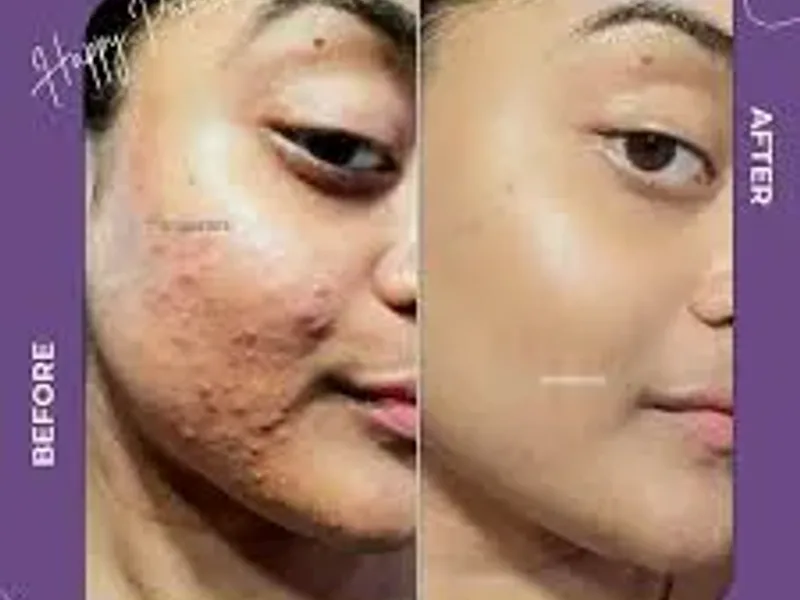
- Acne Care: Strategies range from skin-applied retinoids and benzoyl peroxide to oral antibiotics, isotretinoin (for severe forms of acne), and cosmetic procedures such as chemical peels or laser therapy. A substantial number of young adults in India seek effective solutions for acne.
- Infection Interventions: Fungal infections are typically managed with skin-applied or oral antifungal agents. Bacterial infections often require antibiotics, with severe cellulitis sometimes necessitating hospitalization.
- Allergy Testing & Management: Patch testing can help identify allergens responsible for contact dermatitis. Hives are managed with antihistamines and by identifying and avoiding triggers.
- Pigmentation Therapies: For conditions like vitiligo, options may include skin-applied therapies, phototherapy, or skin grafting in specific situations. Melasma management frequently involves skin-lightening agents applied to the skin and rigorous sun protection.
- Cosmetic Dermatology: Beyond clinical necessity, many individuals seek procedures for aesthetic concerns such as scars, wrinkles, and unwanted hair. Services may encompass Botox, dermal fillers, laser resurfacing, and microdermabrasion.
In practical terms, accessing these interventions translates to an improved quality of life, diminished discomfort, and enhanced confidence for countless individuals. A study conducted by the National Institute of Medical Statistics underscored the significant burden of skin diseases in India, highlighting the critical need for accessible care.
The Patient Experience in the Region
Numerous people in Bokaro have reported finding relief after seeking timely dermatological care. For example, Mrs. Sharma (name altered for privacy) endured severe eczema for years, which significantly hampered her daily activities. Following a consultation with a local specialist, a personalized care plan involving new skin-applied medications and lifestyle recommendations substantially improved her skin's problem within a few months. Her experience illustrates the profound impact of expert guidance.
What steps should one take? Initiate your journey toward healthier skin by scheduling a consultation with a qualified dermatologist. Early diagnosis and consistent adherence to the prescribed regimen are vital for effectively managing skin conditions and preventing long-term complications. Remember, the objective extends beyond resolving the current issue; it aims to empower you with knowledge for sustained skin wellness.
Key Health Statistics for Context
* Dermatological ailments rank among the top 10 reasons individuals seek healthcare globally. The World Health Organization (WHO) estimates that skin diseases affect more than 1.4 billion people worldwide.
* Within India, a considerable segment of the population experiences skin-related issues. The Indian Council of Medical Research (ICMR) has supported research indicating high prevalence rates for both infectious and non-infectious skin diseases.
* The economic repercussions are also substantial, with lost productivity and rising healthcare expenditures. Investing in proven clinical interventions can yield meaningful financial savings and improved well-being.
Navigating Your Journey to Skin Health
When you visit a skin specialist in this area, anticipate a comprehensive consultation. The physician will likely:
- Inquire in detail about your health history, presenting warning signs, and lifestyle.
- Conduct a physical examination of the affected skin areas.
- Potentially order diagnostic investigations such as blood tests, allergy panels, or a skin biopsy.
- Formulate a personalized care strategy, outlining the prescribed medications, their correct usage, potential adverse effects, and anticipated outcomes.
Open communication with your doctor about any concerns or challenges you encounter with the prescribed regimen is crucial. This collaborative approach enhances the efficacy of the care provided.
Fostering Long-Term Skin Wellness
Beyond specific clinical interventions, adopting sound skincare practices is fundamental. This encompasses:
- Utilizing gentle, soap-free cleansers.
- Regularly applying moisturizers, particularly after bathing.
- Shielding your skin from excessive sun exposure (by using broad-spectrum sunscreen).
- Avoiding identified triggers or irritants.
- Maintaining a balanced diet and ensuring adequate hydration.
These habits, when combined with professional physician advice, constitute a robust framework for sustaining healthy skin over time. We encourage everyone in the city to prioritize their skin health—it serves as an indicator of overall well-being.
Frequently Asked Questions
Can over-the-counter creams be used for a rash?
For minor, temporary rashes, certain over-the-counter creams might offer some relief. However, if the rash persists, spreads, or is accompanied by other indicators like fever, consulting a doctor is essential. Self-medicating can sometimes exacerbate the situation or delay an accurate diagnosis.
What is the typical duration for managing psoriasis?
Psoriasis is a chronic concern, meaning the focus of care is on managing manifestations and reducing flare-ups rather than achieving a complete cure. The length of therapy varies significantly based on severity and individual response, often requiring long-term management strategies developed in collaboration with a specialist.
Are acne interventions painful?
Most standard acne care options are not painful, though some skin-applied medications might initially cause mild stinging or dryness. More intensive procedures, such as chemical peels or laser therapy, might involve some discomfort, but this is generally managed with skin-applied anesthetics and is temporary.
What are the initial indicators of a severe skin infection?
Signs of a serious skin infection commonly include rapidly spreading redness, increased pain or tenderness, warmth in the affected area, swelling, and possibly fever or chills. The discharge of pus is also a frequent indicator. Seek immediate healthcare attention if these manifestations are observed.
And yet, so many people miss it.
Always consult a qualified physician before making health-related decisions.