

Emergency & Help
24/7 Emergency & General Advisory
🚨 24/7 Medical Emergency
Non-Emergency Advisory
10:00 AM – 6:00 PM, Mon–Sat
For appointments & general queries.
24/7 Emergency & General Advisory
🚨 24/7 Medical Emergency
Non-Emergency Advisory
10:00 AM – 6:00 PM, Mon–Sat
For appointments & general queries.
Need a liver specialist in Chatra? Discover expert hepatologists, understand liver conditions, and learn how to find the best care for your liver health.
When liver issues arise, finding the right medical expert is crucial. In Chatra, a dedicated liver specialist, also known as a hepatologist, offers specialized care for many kinds of liver conditions. These physicians possess in-depth knowledge of the liver's complex functions and are equipped to diagnose and manage diseases affecting this vital organ. We often see patients who are confused about where to turn for liver-specific problems.
5 kg in adults, performs over 500 essential functions. It detoxifies blood, produces bile to aid digestion, synthesizes proteins, and stores glycogen for energy.
Considering its workload, it's not surprising that liver diseases are a significant health concern in India. The Indian Council of Medical Research (ICMR) highlights a rising prevalence of non-alcoholic fatty liver disease (NAFLD), affecting an estimated 35% of the adult population.
Liver diseases encompass a broad spectrum of ailments. Common conditions include:
A hepatologist focuses exclusively on the liver and its related organs, such as the gallbladder and bile ducts. They are the go-to physicians for complex liver issues. What most people miss is that a general physician can handle initial concerns, but a specialist provides advanced diagnostic and therapeutic capabilities.
Their expertise includes:
While some liver diseases are silent, others present with noticeable indicators. Prompt consultation is vital if you experience any of these signs:
Honestly, ignoring these symptoms can lead to severe consequences. Early detection significantly improves intervention outcomes. For instance, early diagnosis of Hepatitis B can prevent progression to cirrhosis or liver cancer.
Locating a skilled hepatologist in Chatra requires a systematic approach. Here’s how you can find the right specialist for your needs:
1. Seek Referrals: Your primary care physician is often the best starting point. They can recommend a trusted liver specialist based on your medical history and the specific disorder. Specialist referrals ensure you see someone with the appropriate expertise.
2. use Online Healthcare Platforms: Websites like Doctar connect you with verified physicians. You can search for hepatologists in Chatra, view their qualifications, read patient reviews, and even book appointments online. This makes finding care much more accessible.
3. Check Hospital Affiliations: Leading hospitals in and around Chatra often have specialized departments for gastroenterology and hepatology. Checking the websites of reputable institutions like AIIMS (if accessible via referral or telemedicine) or well-regarded local hospitals can help identify specialists practicing there.
4. Verify Credentials: Ensure the specialist is board-certified in gastroenterology or internal medicine with a specialization in hepatology. Look for their educational background and experience with specific liver conditions relevant to your health concerns.
5. Consider Patient Testimonials: While not a substitute for medical expertise, patient reviews can offer insights into a doctor's communication style, bedside manner, and overall patient satisfaction. Does this sound familiar? Searching for honest feedback helps.
What most people miss is that proactive lifestyle choices play a vital role in maintaining liver health and managing existing conditions. Adopting a liver-friendly lifestyle can significantly boost your well-being.
That's the part worth remembering.
Living with a chronic liver issue is genuinely hard, but a supportive approach combining medical care and healthy habits can make a considerable difference. Think of your liver like a diligent accountant, constantly balancing your body's books – it deserves the best care.
The field of hepatology is constantly evolving, bringing new hope to those affected. Advanced diagnostic tools and innovative therapies are becoming more accessible.
For instance, non-invasive tests like FibroScan® are increasingly used to assess liver stiffness and fat content, reducing the need for biopsies in many cases. The Lancet recently published studies showcasing the impact of new antiviral therapies for Hepatitis C, achieving cure rates over 95%.
Worth knowing: Telemedicine is also emerging as a powerful tool, allowing individuals in remote areas like Chatra to consult with specialists in major cities, enhancing access to expert advice. This is particularly impactful for follow-up care and managing chronic conditions.
In cases of end-stage liver disease, a liver transplant might be the only viable option. This complex procedure involves replacing a diseased liver with a healthy one from a donor.
While the thought of a transplant can be daunting, it offers a chance at a significantly improved quality of life for eligible those affected. The success rates have improved considerably over the years, thanks to medical advancements and improved surgical techniques, often guided by protocols similar to those at institutions like the All India Institute of Medical Sciences (AIIMS).
This is where most sufferers struggle.
How serious is this really? Liver transplantation is reserved for people with severe, irreversible liver failure where other treatments have failed. The decision is made by a multidisciplinary team after thorough evaluation.
Always consult a qualified physician before making medical decisions.
Yes, you can eat rice in moderation, but focus on portion control and choose healthier preparations like brown rice. Excessive intake of refined carbohydrates, like white rice, can contribute to fat accumulation in the liver. A balanced diet emphasizing whole grains, lean proteins, and plenty of vegetables is key for managing fatty liver disease.
Early liver damage often shows no specific signs, making regular check-ups important. However, subtle indicators can include persistent fatigue, unexplained weight loss, mild abdominal discomfort, or a general feeling of unwellness. As damage progresses, more pronounced signs like jaundice, swelling, and easy bruising may appear.
Hepatitis B is not typically curable, but it is manageable. Antiviral medications can effectively control the virus, prevent liver damage, and reduce the likelihood of complications like cirrhosis and liver cancer.
That alone changes everything.
With consistent management and monitoring, individuals with chronic Hepatitis B can lead long, healthy lives. WHO guidelines emphasize lifelong monitoring for many individuals.
Protecting your liver involves a healthy lifestyle: maintain a healthy weight, eat a balanced diet low in processed foods and unhealthy fats, limit alcohol intake, avoid unnecessary medications, and get vaccinated against Hepatitis A and B. Regular medical check-ups also support in early detection of any potential issues.
Visit Hospital
Near You
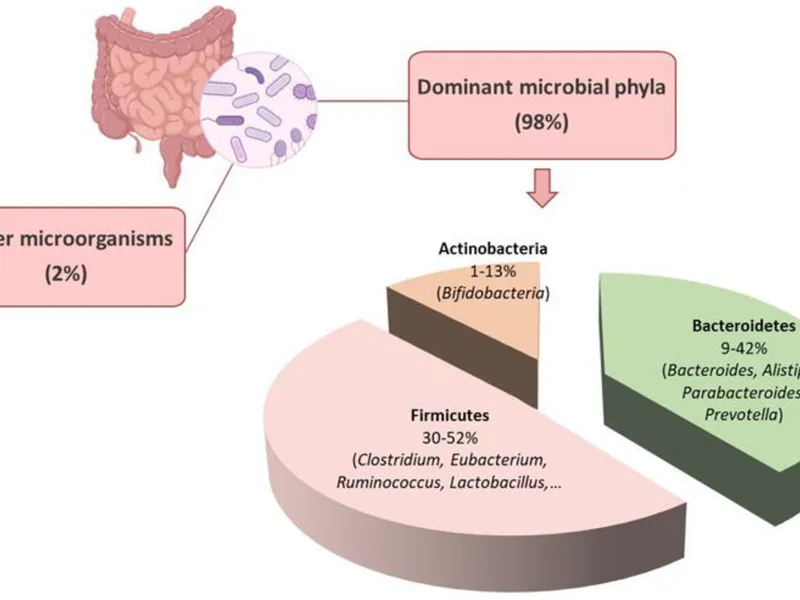
Scientists at the University of Cambridge tested 39 common sweeteners against 25 species of gut bacteria in the lab. About three-quarters of the sweeteners changed how at least one bacterial species grew, and effects got stronger — or weaker — when sweeteners were combined with medications, caffeine
July 23, 2026

Learn about safe skin tag removal in Kolkata, including causes, treatment options, recovery, risks, and when to consult a dermatologist.
May 20, 2026

Looking for corn removal in Kolkata? Learn about symptoms, causes, treatment options, recovery, and prevention tips for painful foot corns.
May 20, 2026