

Emergency & Help
24/7 Emergency & General Advisory
🚨 24/7 Medical Emergency
Non-Emergency Advisory
10:00 AM – 6:00 PM, Mon–Sat
For appointments & general queries.
24/7 Emergency & General Advisory
🚨 24/7 Medical Emergency
Non-Emergency Advisory
10:00 AM – 6:00 PM, Mon–Sat
For appointments & general queries.
Seeking a diet chart doctor in Joynagar? Get expert nutritional advice to manage health conditions and achieve wellness goals. Find specialists near you.
Finding the right food plan specialist in Joynagar can be a crucial step toward achieving your wellness objectives. Residents of our vibrant city frequently encounter daily difficulties tied to eating habits and sustenance, ranging from managing ongoing ailments like diabetes and hypertension to simply pursuing a more wholesome way of life. Navigating the complex world of food and its effects on our bodies can, in truth, feel overwhelming without professional guidance. This is precisely where a qualified specialist in food science or a clinical nutritionist becomes essential.
Individuals frequently struggle with unclear advice regarding their eating patterns, which leads to confusion and frustration. A food expert, or more accurately, a registered specialist in food science or clinical nutritionist, delivers personalized, evidence-based eating strategies. These strategies are customized to your distinct requirements, taking into account your medical background, way of living, and specific wellness aspirations. Is there a superior method to guesswork? Absolutely.
A food specialist in this area provides more than just a compilation of foods to consume or avoid. These are trained professionals who comprehend the intricate connection between food, metabolism, and overall physical state. They can assist you by:
When searching for a food expert near you in this locality, consider these crucial elements:
Physicians frequently refer individuals to food specialists for various physical concerns. How serious is this truly? For many, changes to eating habits are as critical as medication.
Regulating blood sugar levels is of utmost importance. A food expert assists in formulating a meal plan that balances carbohydrate consumption, emphasizing complex carbohydrates, fiber, and lean proteins.
Glycemic index and load are key considerations. The objective is to prevent abrupt increases and decreases in blood glucose, supporting sustained control and lowering the risk of complications such as neuropathy and retinopathy.
Approaches to eating, like the DASH (Dietary Approaches to Stop Hypertension) plan, are proven to be successful. A food expert guides you to diminish sodium intake, augment potassium and magnesium consumption through fruits and vegetables, and select beneficial fats. Restricting processed foods is a vital step here.
For those impacted by heart conditions or elevated cholesterol, a food expert suggests an eating pattern beneficial for the heart. This typically involves limiting saturated and trans fats, increasing intake of omega-3 fatty acids (found in fish), soluble fiber (from oats and beans), and plant sterols.
That alone changes everything.
Reducing cholesterol from food is also important.
Attaining a healthy weight necessitates a calorie deficit achieved through a balanced, nutrient-dense eating plan and increased physical movement. A food expert helps determine appropriate calorie and macronutrient targets, ensuring sufficient protein and vital nutrients while managing hunger.
They concentrate on sustainable lifestyle modifications rather than rapid solutions.
Individuals with chronic kidney disease (CKD) often require specific modifications to their eating habits to manage electrolyte balance (such as potassium and phosphorus), protein intake, and fluid regulation. A renal food expert collaborates closely with the individual and their nephrologist to customize an approach that slows disease progression and enhances quality of life.
While medication is primary, choices regarding food can support thyroid function. For hypothyroidism, ensuring adequate iodine, selenium, and zinc intake is essential.
For hyperthyroidism, managing calorie consumption and guaranteeing sufficient nutrients during potential weight loss is key. A food expert can provide advice tailored to your specific condition and medication regimen.
We frequently hear from individuals who felt adrift before consulting a food expert. Consider Mrs. Sharma, a 55-year-old homemaker from the area, who received a diagnosis of Type 2 diabetes. Initially overwhelmed, she discovered immense support from her food expert.
That's the part worth remembering.
“He explained everything so simply,” she recounted. “We devised a weekly meal strategy that incorporated local vegetables and our beloved daal, but adjusted the portion sizes and cooking methods. ” Her journey underscores how individualized care makes a considerable impact.
Another person, Mr. Gupta, struggled with weight gain and elevated cholesterol. “I attempted countless eating plans, but nothing yielded long-term success.
My food expert helped me comprehend *why* certain foods affected me and guided me towards more wholesome choices I genuinely savor,” he stated. ” His success story serves as a testament to the influence of informed, sustainable modifications to one's eating habits.
To find a qualified food plan specialist in this city:
When you arrange your initial appointment, be ready to discuss your medical background, current eating routines, lifestyle, allergies, and specific aspirations. This comprehensive information enables the food expert to create the most reliable and personalized plan for you.
Remember, living with a physical problem or striving for improved well-being is genuinely challenging, but you do not have to navigate it in isolation.
Yes, individuals with diabetes can consume rice, but portion regulation and the type of rice are critical. Opt for smaller servings of brown rice or other whole grains over white rice, as they have a diminished glycemic impact and increased fiber. Timing and pairing rice with protein and vegetables also aids in managing blood sugar response.
Here's where it gets interesting.
The regularity of consultations depends on your individual requirements and wellness objectives. Initially, weekly or bi-weekly sessions might prove advantageous for establishing a plan and making adjustments.
As you progress and achieve stability, monthly or quarterly check-ins may suffice to ensure sustained adherence and address any emerging concerns.
While the terms are often used interchangeably, a distinction exists. ) is a legally recognized and regulated profession, necessitating specific academic qualifications, supervised practical experience, and passing a national examination. A nutritionist, in some contexts, may not possess the same level of formal training or regulation, though many highly qualified individuals use this designation.
D. credentials for guaranteed expertise.
Medical Food Therapy (MFT) is an evidence-based approach to treating medical conditions through food intake. It involves a thorough assessment of an individual's physical state regarding food, followed by diagnosis, intervention, and monitoring.
MFT is frequently integrated into a patient's overall medical care strategy, prescribed and delivered by registered food experts.
Always consult a qualified physician before making medical decisions.
Visit Hospital
Near You
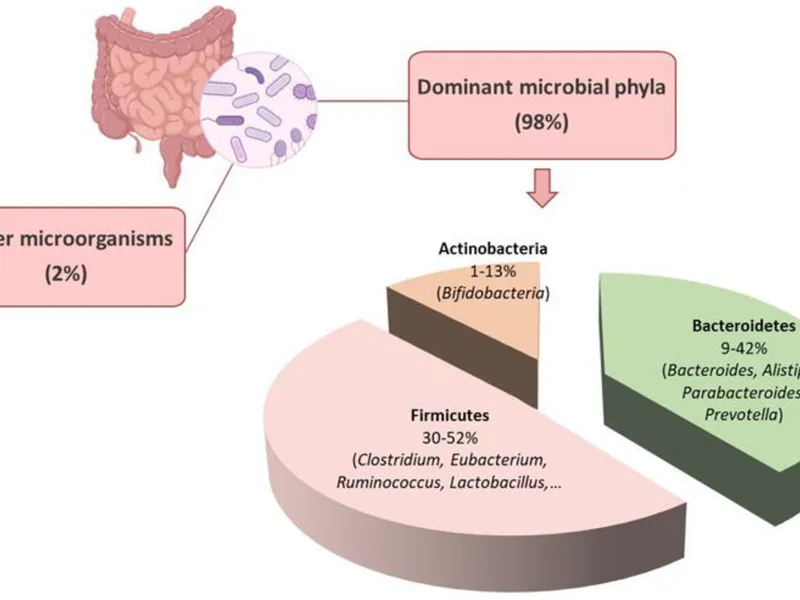
Scientists at the University of Cambridge tested 39 common sweeteners against 25 species of gut bacteria in the lab. About three-quarters of the sweeteners changed how at least one bacterial species grew, and effects got stronger — or weaker — when sweeteners were combined with medications, caffeine
July 23, 2026

Learn about safe skin tag removal in Kolkata, including causes, treatment options, recovery, risks, and when to consult a dermatologist.
May 20, 2026

Looking for corn removal in Kolkata? Learn about symptoms, causes, treatment options, recovery, and prevention tips for painful foot corns.
May 20, 2026