

Emergency & Help
24/7 Emergency & General Advisory
🚨 24/7 Medical Emergency
Non-Emergency Advisory
10:00 AM – 6:00 PM, Mon–Sat
For appointments & general queries.
24/7 Emergency & General Advisory
🚨 24/7 Medical Emergency
Non-Emergency Advisory
10:00 AM – 6:00 PM, Mon–Sat
For appointments & general queries.
Understand why sperm might smell fishy. Explore causes like diet, infections, and hygiene, and learn when to seek medical advice.

Meena, 45, a homemaker from Jaipur, noticed a peculiar, pungent aroma emanating from her husband's seminal fluid during a recent intimate moment. Initially dismissing it, the persistent nature of the scent prompted concern, leading her to research possible causes. This experience, while perhaps embarrassing for some, is not uncommon. The scent of seminal fluid can vary significantly from person to person and even from day to day for the same individual.
However, a sudden or persistent pungent smell often signals an underlying issue that warrants attention. What most people miss is that the subtle changes in bodily fluids can be important indicators of well-being. Have you ever wondered why?
The typical aroma of seminal fluid is often described as being somewhat chlorine-like, musky, or even slightly metallic. This is largely due to the presence of various compounds, including spermine, fructose, and alkaline phosphatase, secreted by the seminal vesicles, prostate gland, and bulbourethral glands.
When this characteristic scent shifts dramatically to a distinctly pungent odour, it’s a signal that something in the male reproductive or urinary tract might be out of balance. Honestly, paying attention to these signals is crucial for maintaining reproductive vitality.
Recovery is rarely linear.
What you eat can directly influence the scent of your bodily fluids, including seminal fluid. Foods with strong, distinctive aromas, such as asparagus, garlic, onions, and certain spices, can be metabolized by the body and their compounds excreted through various means, potentially affecting seminal fluid odour. For instance, consuming large amounts of seafood, rich in trimethylamine (TMA), might temporarily alter seminal fluid’s smell.
TMA is the compound responsible for the characteristic 'pungent' smell in spoiled fish. While not directly harmful, this dietary link is a simple explanation for a temporary change. Think about it this way: your body processes what you consume, and sometimes, those aromas can become noticeable.
This is often the most significant reason for a persistent pungent seminal fluid scent. Several types of infections can affect the male reproductive and urinary systems, leading to changes in seminal fluid odour. Bacterial vaginosis (BV), though more commonly associated with women, can sometimes be transmitted to men or indicate an imbalance in the male genital tract. In men, BV can manifest as urethritis or prostatitis, causing a pungent odour. Similarly, trichomoniasis, a sexually transmitted infection (STI) caused by the parasite Trichomonas vaginalis, is a frequent culprit. The infection can inflame the urethra and prostate, leading to a foul, often pungent, smell in the seminal fluid. Data from the WHO suggests that STIs remain a notable global well-being concern, with millions of new cases occurring annually. Early detection and treatment are vital. In many cases, prompt antibiotic management resolves the infection and the associated odour.
Inflammation of the prostate gland, known as prostatitis, can significantly impact seminal fluid quality and odour. The prostate contributes a substantial portion to the seminal fluid volume, and when inflamed, it can become a breeding ground for bacteria. This bacterial overgrowth can lead to the production of foul-smelling compounds, often described as pungent. Prostatitis can be caused by bacterial infections or other factors and may present with symptoms like painful urination, difficulty urinating, and pain in the groin or pelvic area. Studies published in journals like The Lancet have highlighted the prevalence and impact of prostatitis on male reproductive well-being, affecting a considerable percentage of men over their lifetime.
Poor personal hygiene can also contribute to an unpleasant aroma in the genital area, which might be perceived as a pungent smell associated with seminal fluid. Sweat, dead skin cells, and bacteria can accumulate, especially if the area is not cleaned regularly and thoroughly. This is particularly relevant in the tropical climate of India, where increased perspiration is frequent, especially during the monsoon season or when engaging in activities that lead to sweating.
Regular washing with mild soap and water, particularly after physical activity or before sexual intercourse, is essential for maintaining good hygiene and preventing odour buildup. This simple practice can make a major difference.
Most people overlook this completely.
Less usual causes could include issues with the epididymis (the coiled tube behind the testis that stores and carries sperm) or the vas deferens (the tube that transports sperm). Any blockage or infection in these structures could potentially alter seminal fluid composition and odour.
On top of that,, certain medications or supplements could theoretically influence seminal fluid scent, though this is rarely documented as a primary cause for a pungent smell. It's also crucial to consider the general physical condition; conditions affecting metabolism or leading to dehydration could play a minor role.
While occasional variations in seminal fluid odour might be harmless, a persistent pungent smell, especially when accompanied by other warning signs, should prompt a visit to a doctor. These accompanying warning signs can include itching, burning during urination, unusual discharge from the penis, pain in the testicles or pelvic area, or redness and swelling.
These signs collectively suggest an infection or inflammation that requires professional diagnosis and approach. Have you ever wondered why these warning signs appear together?
Self-diagnosing can be misleading and delay necessary care. A qualified healthcare professional, such as a urologist or andrologist, can perform the necessary examinations and tests to pinpoint the exact cause of the pungent smell. This might involve a physical examination, urine tests, seminal fluid analysis, or swabs to check for infections like trichomoniasis or bacterial vaginosis.
Here's where it gets interesting.
For instance, the Indian Council of Medical Research (ICMR) emphasizes the importance of regular physical check-ups for early detection of various conditions, including reproductive well-being issues. What should you actually do?
Prompt medical attention is crucial because untreated infections can lead to more serious complications, including infertility, chronic pelvic pain, or the spread of infection to other parts of the body. In India, where access to healthcare can sometimes be a challenge, it's vital for individuals to be proactive about their physical concerns.
Early intervention not only ensures a quicker recovery but also prevents long-term physical consequences. The IDF (International Diabetes Federation) highlights how early management of physical conditions prevents cascading effects, a principle applicable here too.
The diagnostic process typically begins with a detailed medical history, where the doctor will ask about your sexual history, signs, and lifestyle. A physical examination of the genital area might follow. Urine culture and sensitivity tests can help identify bacterial infections in the urinary tract. A seminal fluid culture can detect specific bacteria or other microorganisms in the seminal fluid. Microscopic examination of seminal fluid can reveal the presence of white blood cells (indicating inflammation or infection) or parasites like Trichomonas vaginalis. Sometimes, blood tests might be ordered to check for systemic infections or markers of inflammation. This thorough approach ensures an accurate diagnosis.
approach for a pungent seminal fluid smell depends entirely on the underlying cause. If a bacterial infection is identified, antibiotics will be prescribed. For STIs like trichomoniasis, specific antiparasitic medications are effective. In cases of prostatitis, approach may involve antibiotics, anti-inflammatory drugs, or alpha-blockers to improve urine flow.
The numbers don't lie.
If hygiene is the primary concern, simple, consistent cleaning practices combined with advice on maintaining a nourishing diet and fluid intake will be recommended. It’s essential to complete the full course of prescribed medication, even if manifestations elevate, to ensure the infection is fully eradicated. Honestly, adherence to care is key to recovery.
Regular and thorough cleaning of the genital area is paramount. Wash the penis, scrotum, and surrounding areas daily with mild soap and water, ensuring you rinse and dry thoroughly.
This simple habit prevents the buildup of bacteria and sweat that can cause unpleasant aromas. Especially after exercising or engaging in strenuous activity, a quick wash can be very beneficial.
Using condoms consistently and correctly during sexual intercourse is the most successful way to prevent the transmission and acquisition of STIs, which are a typical cause of pungent seminal fluid odour. Open communication with sexual partners about sexual well-being and regular STI screening are also vital components of safe sexual practices.
This proactive approach protects both individuals involved.
A balanced diet rich in fruits, vegetables, and whole grains supports overall physical problem, including reproductive well-being. Staying adequately hydrated by drinking plenty of water is also key, as it helps flush out toxins and maintain bodily functions.
Limiting intake of strongly aromatic foods, excessive alcohol, and caffeine may also contribute to maintaining a more neutral seminal fluid odour. While cultural dietary habits are meaningful, awareness of how certain foods can affect the body can be empowering.
It sounds simple. It rarely is.
Don't wait for warning signs to appear. Regular medical check-ups, including those focused on sexual and reproductive well-being, can aid detect potential issues early.
Discussing any concerns, no matter how minor they may seem, with your doctor is always a good idea. This proactive approach ensures that any physical deviations are addressed promptly and effectively.
A pungent smell in seminal fluid is a symptom that should not be ignored. While dietary factors and hygiene can play a role, infections and inflammation are more frequent underlying causes requiring medical attention. Understanding the potential reasons behind this change in odour empowers individuals to seek timely enable, ensuring proper diagnosis and management.
Remember, proactive physical management is key to maintaining well-being. Always consult a qualified physician before making any medical decisions.
Visit Hospital
Near You
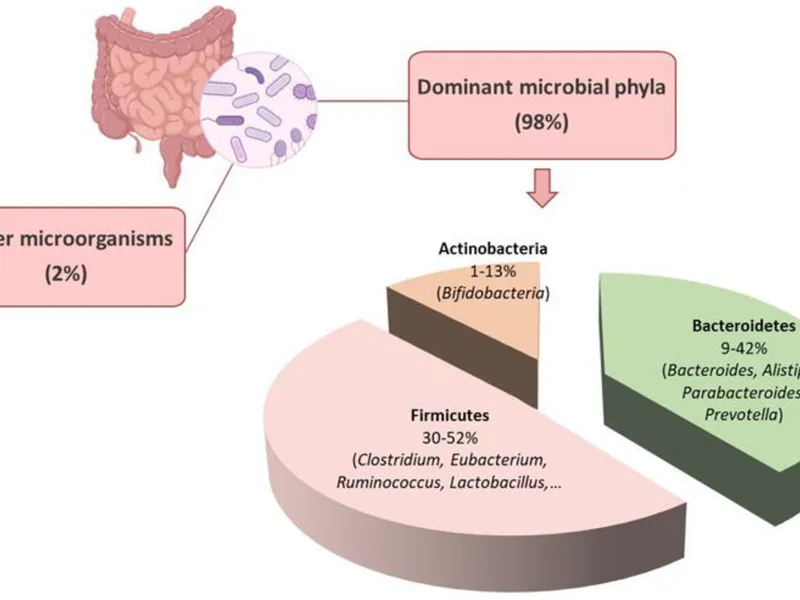
Scientists at the University of Cambridge tested 39 common sweeteners against 25 species of gut bacteria in the lab. About three-quarters of the sweeteners changed how at least one bacterial species grew, and effects got stronger — or weaker — when sweeteners were combined with medications, caffeine
July 23, 2026

Learn about safe skin tag removal in Kolkata, including causes, treatment options, recovery, risks, and when to consult a dermatologist.
May 20, 2026

Looking for corn removal in Kolkata? Learn about symptoms, causes, treatment options, recovery, and prevention tips for painful foot corns.
May 20, 2026