

Emergency & Help
24/7 Emergency & General Advisory
🚨 24/7 Medical Emergency
Non-Emergency Advisory
10:00 AM – 6:00 PM, Mon–Sat
For appointments & general queries.
24/7 Emergency & General Advisory
🚨 24/7 Medical Emergency
Non-Emergency Advisory
10:00 AM – 6:00 PM, Mon–Sat
For appointments & general queries.
Considering gallbladder stone surgery in Bardhaman? Learn about procedures, recovery, and finding the best specialists for safe and effective treatment.
Biliary calculi, commonly referred to as gallstones, are solidified accumulations of digestive fluid that may develop within the bile-storing organ, the gallbladder. This small, pear-shaped structure is situated beneath the liver.
Though numerous individuals carry these deposits without experiencing discomfort, for others, they can lead to intense pain and various complications. Understanding the reasons behind these issues is crucial.
Should these hardened deposits obstruct the bile ducts, they can precipitate an inflammatory state of the organ, known as cholecystitis. Such inflammation often presents with severe pain and necessitates immediate medical attention.
To avert recurring issues and grave health dangers, the definitive treatment frequently involves the excision of the organ itself, an operation termed a cholecystectomy. For individuals in the Bardhaman region who are experiencing symptoms, obtaining specialized medical intervention is essential.
That alone changes everything.
Recognizing the indicators of these hardened deposits is the initial step toward seeking timely intervention. The most common sign is discomfort, frequently experienced in the upper right abdomen.
This pain can be sharp and sudden, occasionally spreading to the right shoulder or back. It typically manifests after consuming fatty meals, as the organ contracts to release bile.
Other significant signs include:
Living with such manifestations is undeniably challenging. The discomfort and anxiety linked to these indicators can significantly affect one's daily routine. If left unaddressed, these signs often intensify over time.
For individuals in Bardhaman who require an operation to address these deposits, two primary approaches are available: laparoscopic cholecystectomy and open cholecystectomy. The selection of method hinges on several factors, including the condition's severity, the patient's overall health, and the treating physician's recommendation.
This method is both the most prevalent and the preferred technique. Consider it this way: instead of a large incision, several small cuts are made.
A laparoscope (a thin tube equipped with a camera) and specialized instruments are inserted through these tiny openings. The operating physician views a magnified image of the internal organs on a monitor.
Advantages of Minimally Invasive Removal:
This minimally invasive technique, which has been widely adopted globally following guidelines from institutions like the World Health Organization (WHO), offers considerable benefits for most patients. Most specialists in this region favor this approach due to its proven efficacy and advantages for those undergoing approach.
That's the part worth remembering.
An open operation involves a larger incision in the abdomen to directly access and remove the organ. This method is typically reserved for situations where a laparoscopic approach is not feasible or safe, such as in instances of severe inflammation, prior abdominal operations, or certain complications.
While the recovery period is generally longer, it remains a critical and dependable option when necessary.
Selecting the appropriate specialist is crucial for a successful approach outcome. When seeking an operation for biliary calculi in Bardhaman, individuals should consider the following aspects:
Many individuals have benefited immensely from timely intervention by skilled medical professionals. Institutions like the All India Institute of Medical Sciences (AIIMS) underscore the importance of choosing experienced operating teams for optimal results.
Before the operation, you will undergo pre-operative assessments, including blood tests and imaging studies, to ensure you are fit for the procedure. On the day of the intervention, anesthesia will be administered, meaning you will be asleep and free from pain during the operation.
Following a laparoscopic cholecystectomy, most individuals can anticipate returning home within one or two days. Recovery typically involves rest, pain management, and dietary modifications. Those undergoing open procedures may require an extended hospital stay.
It sounds simple. It rarely is.
Post-operative care is vital for a smooth and complete recovery. You will receive instructions regarding wound care, pain medication, and limitations on activity.
Dietary Recommendations:
It is important to know that some individuals experience temporary digestive changes, such as diarrhea, after the organ's removal. Physicians often suggest probiotics or specific dietary adjustments to manage this. The Indian Council of Medical Research (ICMR) highlights the significance of personalized dietary advice after such an intervention.
Most individuals resume their normal activities within one to two weeks following a laparoscopic procedure. Complete recovery might extend up to four to six weeks. What does this signify for you? It means diligently following your doctor's recommendations will considerably accelerate your return to everyday life.
While the removal of the organ is generally a safe procedure, like any medical intervention, it carries certain risks. These can include bleeding, infection, injury to the bile ducts, or leakage of bile.
Physicians take meticulous precautions—often guided by international standards like those from the American Heart Association (AHA) for cardiac care protocols, adapted for abdominal procedures—to minimize these risks.
Most people overlook this completely.
Your treating physician will discuss these potential complications with you in detail during the consultation. Understanding these possibilities empowers you to make an informed decision regarding your health care.
Can an individual lead a normal life without this digestive organ? Yes, absolutely. The organ primarily functions to store and concentrate bile produced by the liver.
After its removal, the liver continues to produce bile, which then flows directly into the small intestine. While your body adapts, some initial dietary modifications might be necessary.
The key is to maintain a balanced diet and pay attention to your body's signals. Physicians frequently reassure sufferers that the body possesses remarkable adaptability. Consider this: many essential bodily functions continue effectively even after an organ's removal, thanks to the body's inherent resilience.
individuals often resume their preferred activities and enjoy a good quality of life after the procedure, provided they adhere to medical advice. Remember, timely and expert care in Bardhaman can lead to excellent outcomes and a restoration of wellness.
While rice itself is not directly problematic, high-carbohydrate, low-fiber foods like white rice can sometimes trigger discomfort in the organ for susceptible individuals. It is advisable to prioritize whole grains and manage portion sizes. Always discuss your dietary choices with your physician, particularly if you have these hardened deposits.
And yet, so many people miss it.
A laparoscopic cholecystectomy typically requires approximately 1 to 2 hours to complete. The duration can fluctuate slightly based on the complexity of the specific case and the experience of the operating physician. Open procedures might take longer.
For symptomatic hardened deposits that cause pain or complications, the surgical removal of the organ (cholecystectomy) is considered the most reliable and definitive intervention. While adjustments to lifestyle can aid in managing mild warning signs, they do not eliminate the stones.
Non-surgical alternatives are limited and generally reserved for specific patient demographics.
Yes, these hardened deposits can cause referred pain, meaning the discomfort is felt in a different part of the body. It is prevalent for pain originating from the organ to radiate to the upper back or right shoulder blade. This phenomenon occurs due to shared nerve pathways that transmit pain signals from the organ and these posterior areas.
Always consult a qualified physician before making medical decisions.
Visit Hospital
Near You
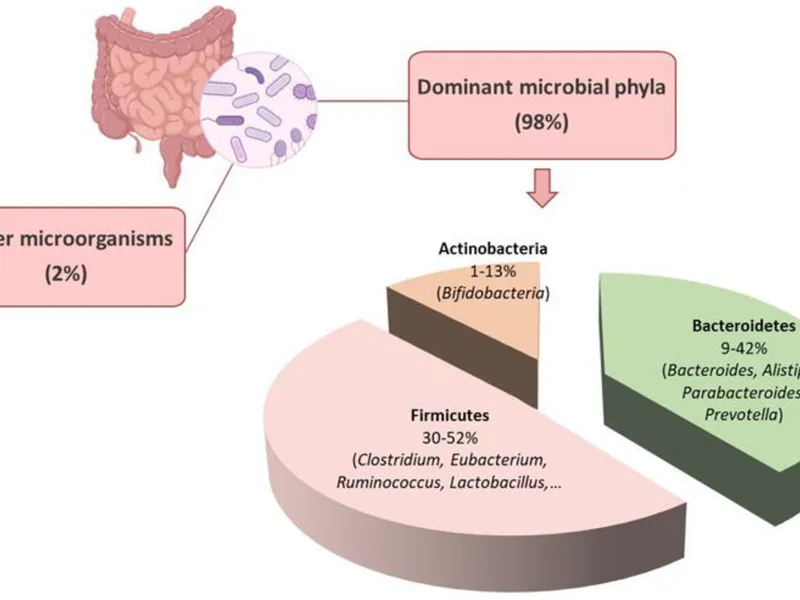
Scientists at the University of Cambridge tested 39 common sweeteners against 25 species of gut bacteria in the lab. About three-quarters of the sweeteners changed how at least one bacterial species grew, and effects got stronger — or weaker — when sweeteners were combined with medications, caffeine
July 23, 2026

Learn about safe skin tag removal in Kolkata, including causes, treatment options, recovery, risks, and when to consult a dermatologist.
May 20, 2026

Looking for corn removal in Kolkata? Learn about symptoms, causes, treatment options, recovery, and prevention tips for painful foot corns.
May 20, 2026