

Emergency & Help
24/7 Emergency & General Advisory
🚨 24/7 Medical Emergency
Non-Emergency Advisory
10:00 AM – 6:00 PM, Mon–Sat
For appointments & general queries.
24/7 Emergency & General Advisory
🚨 24/7 Medical Emergency
Non-Emergency Advisory
10:00 AM – 6:00 PM, Mon–Sat
For appointments & general queries.
Learn about heart blockage treatment options available in Khunti. Understand causes, symptoms, diagnosis, and the latest medical approaches.
Atherosclerosis, often termed coronary artery narrowing, develops as plaque accumulates within the arteries. This accumulation constricts the arteries, impeding circulation to the cardiac muscle. Untreated, this condition risks severe cardiac events, such as myocardial infarctions (heart attacks).
While the prospect of cardiovascular disease can be challenging, understanding available options is crucial for effective management. Across Khunti and India, various advancements and specialized care exist for managing and treating this ailment efficiently.
Cardiovascular diseases pose a substantial burden across India. According to the Indian Association for Cardiac Care, cardiovascular disease remains the primary cause of mortality, responsible for about 25% of all fatalities.
Coronary artery disease (CAD), in particular, contributes significantly to these deaths. Locally, individuals often delay seeking clinical attention until symptoms intensify, underscoring the importance of prompt diagnosis and intervention.
Most people overlook this completely.
Early detection and appropriate management are vital for a positive prognosis.
Several factors contribute to the development of plaque within the arterial walls. Elevated cholesterol levels are a primary culprit; high-density lipoprotein (HDL) cholesterol, or 'good' cholesterol, aids in removing low-density lipoprotein (LDL) ('bad') cholesterol from arteries, thereby preventing buildup. Conversely, high levels of LDL cholesterol significantly promote atherosclerosis.
Uncontrolled hypertension (high blood pressure) also damages artery walls over time, increasing their susceptibility to plaque formation. Diabetes, especially when poorly managed, accelerates this process due to its detrimental effects on vessels. India has a staggering 77 million people living with diabetes (IDF Atlas 2023), highlighting this as a major concern.
Other significant chance factors include:
Recognizing these chance factors empowers individuals to take proactive steps toward improved cardiovascular well-being.
Signs of arterial narrowing can differ among individuals, with early indicators often being subtle. Chest pain, clinically termed angina, represents the most common symptom. This discomfort may manifest as pressure, squeezing, fullness, or aching in the chest, potentially radiating to the arms (frequently the left), neck, jaw, or back.
Shortness of breath, particularly during exertion, serves as another key indicator. These indicators are sometimes mistaken for indigestion or muscle strain, which can lead to delays in seeking care.
Additional signs may include:
In certain instances, particularly for women, manifestations might be less typical, encompassing extreme fatigue or discomfort in the upper abdomen. Prompt clinical evaluation is essential if any of these indicators are experienced, especially if they are new or worsening.
Here's where it gets interesting.
Seek immediate clinical attention if you experience severe or persistent chest discomfort.
Diagnosing arterial narrowing involves a combination of patient history, physical examination, and diagnostic tests. Physicians will inquire about warning signs, lifestyle, and family background. A physical exam might reveal abnormal cardiac sounds or elevated blood pressure.
To assess the extent and location of obstructions, several tests are available. An electrocardiogram (ECG or EKG) records the electrical activity of the heart, identifying abnormalities in rhythm or signs of a past or present myocardial infarction.
Further diagnostic tools include:
These tests assist specialists in Khunti in determining the most appropriate management plan for each individual.
approach strategies for arterial narrowing are customized to the situation's severity, the patient's overall well-being, and the specific location of the obstructions. Primary goals include restoring circulation, alleviating signs, and preventing future cardiac events.
In Khunti, patients have access to both clinical management and interventional procedures.
Often, the initial approach involves major lifestyle adjustments. These are crucial for managing possibility factors and enhancing cardiovascular well-being. A diet beneficial for cardiac well-being, rich in fruits, vegetables, and whole grains, while low in saturated fats and sodium, is vital.
Here's where it gets interesting.
, at least 150 minutes of moderate-intensity aerobic activity per week, per WHO guidelines), helps strengthen the heart and manage weight. Quitting smoking is paramount; physicians frequently offer support and resources for cessation. Maintaining a healthy weight and managing stress through techniques like yoga or meditation are also key components.
Several types of medications can help manage arterial narrowings. Statins are prescribed to lower LDL cholesterol levels. Antiplatelet medications, like aspirin, prevent clots from forming.
Beta-blockers and calcium channel blockers aid control blood pressure and reduce the heart's workload. ACE inhibitors and ARBs are also used to manage hypertension and protect the heart. Your doctor will select the most suitable combination based on your specific disorder.
When lifestyle changes and medications prove insufficient, or when obstructions are severe, interventional procedures become necessary. These minimally invasive techniques are performed by interventional cardiologists.
Specialist cardiac centres in and around Khunti are equipped to perform these advanced procedures, offering hope and improved outcomes for many individuals affected by cardiovascular disease.
The decision regarding the optimal management approach relies on a thorough evaluation by a cardiologist. Factors such as the number and severity of obstructions, the patient's age, presence of other conditions (like diabetes or kidney disease), and patient preferences are all considered.
And yet, so many people miss it.
Open communication between the patient and their physician is vital for making informed choices. Many people discover that a combination of lifestyle adjustments and pharmacotherapy provides marked relief and long-term well-being benefits.
For those requiring intervention, angioplasty offers a less invasive option compared to bypass surgery, with quicker recovery times. However, bypass surgery remains a vital and often life-saving option for complex cases. those affected often recover remarkably well following these procedures, enabling a return to a good quality of life.
Preventing arterial narrowings from occurring is always the best strategy. Focusing on a healthy lifestyle significantly reduces likelihood. Regular check-ups are crucial for monitoring blood pressure, cholesterol, and blood sugar levels. Early detection of any abnormalities allows for timely intervention.
Community wellness programs in Jharkhand are increasingly emphasizing awareness about cardiovascular well-being. Simple habits, such as incorporating brisk walks into a daily routine—perhaps a morning stroll around the local market in Khunti—can make a substantial difference. Your cardiovascular well-being rests largely in your hands.
Most people overlook this completely.
Consistent healthy habits and regular clinical check-ups are your best defence against cardiovascular disease.
Yes, you can generally consume rice in moderation as part of a balanced diet. Opt for brown rice over white rice, as it contains more fiber. It's crucial to control portion sizes and ensure your overall diet is low in saturated fats, sodium, and added sugars, as recommended by your doctor.
While lifestyle changes are essential, no proven 'home remedies' can clear existing arterial obstructions. Focus on a diet beneficial for cardiac well-being, regular exercise, stress management, and adhering to your prescribed medications. Always discuss any dietary changes or supplements with your cardiologist.
Arterial narrowings can be managed effectively, and their progression can be slowed or halted with appropriate approach and lifestyle changes. While complete 'cure' in the sense of removing all plaque might not always be possible, interventions like angioplasty can restore blood flow, and preventing further buildup is achievable, significantly improving quality of life and longevity.
The frequency of follow-up check-ups depends on the severity of your arterial obstruction and the type of care you receive. Typically, after an intervention like angioplasty or bypass surgery, you'll have regular cardiologist appointments, often starting with visits every few months and then extending to yearly check-ups.
This is where most sufferers struggle.
Your doctor will advise the specific schedule tailored to your needs.
Always consult a qualified physician before making medical decisions.Visit Hospital
Near You
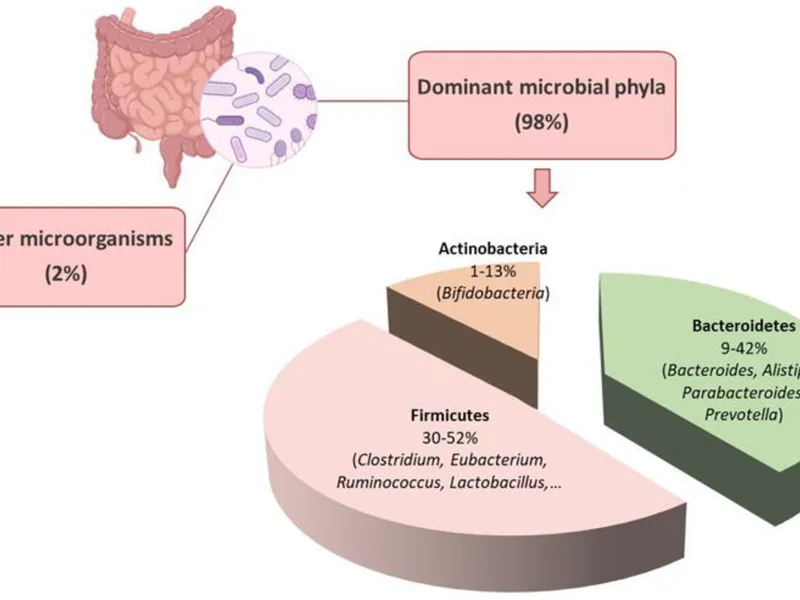
Scientists at the University of Cambridge tested 39 common sweeteners against 25 species of gut bacteria in the lab. About three-quarters of the sweeteners changed how at least one bacterial species grew, and effects got stronger — or weaker — when sweeteners were combined with medications, caffeine
July 23, 2026

Learn about safe skin tag removal in Kolkata, including causes, treatment options, recovery, risks, and when to consult a dermatologist.
May 20, 2026

Looking for corn removal in Kolkata? Learn about symptoms, causes, treatment options, recovery, and prevention tips for painful foot corns.
May 20, 2026