

Emergency & Help
24/7 Emergency & General Advisory
🚨 24/7 Medical Emergency
Non-Emergency Advisory
10:00 AM – 6:00 PM, Mon–Sat
For appointments & general queries.
24/7 Emergency & General Advisory
🚨 24/7 Medical Emergency
Non-Emergency Advisory
10:00 AM – 6:00 PM, Mon–Sat
For appointments & general queries.
Explore heart blockage treatments available in Lohardaga. Understand causes, symptoms, and the latest medical approaches for better heart health.
Coronary artery disease (CAD), commonly referred to as arterial obstructions, constitutes a significant health concern. This medical condition develops when plaque—a collection of cholesterol and other substances—narrows or completely blocks the arteries responsible for delivering oxygenated fluid to the muscular tissue of the primary circulatory organ.
In India, cardiovascular ailments are a primary cause of death, impacting millions each year. For individuals residing in Lohardaga and its adjacent localities, comprehending the available treatment modalities is essential for preserving optimal cardiovascular wellness.
A critical point many individuals overlook is the importance of early detection. Numerous patients postpone seeking medical intervention until their symptoms become severe, which invariably complicates the intervention process.
people frequently present with chest discomfort or difficulty breathing, signs that indicate a more advanced stage of arterial narrowing.
Several elements contribute to the formation of obstructions within the arteries. Elevated systemic pressure (hypertension), high cholesterol levels, diabetes, obesity, and tobacco use are primary contributors. On top of that,, a sedentary lifestyle and a family history of cardiovascular illness also elevate an individual's susceptibility.
That's the part worth remembering.
In practical terms, these identified chance factors foster an environment where plaque accumulation accelerates. For instance, poorly managed diabetes can damage the body's vessels, rendering them more vulnerable to plaque formation.
India has approximately 77 million people living with diabetes (IDF, 2023), which underscores the widespread influence of this particular likelihood factor.
Recognizing the indicators of an arterial obstruction is paramount. Angina, or chest discomfort, which might manifest as pressure, a squeezing sensation, or fullness, represents the most prevalent sign.
Other manifestations include shortness of breath, discomfort extending into the arms, neck, jaw, or back, persistent tiredness, and lightheadedness. Do these sensations resonate with your experience?
Worth keeping in mind: women may experience manifestations differently; they more frequently report nausea, vomiting, and back or jaw pain compared to men. Prompt identification of these indicators can facilitate timely medical intervention.
The diagnosis of arterial obstructions necessitates a series of evaluations conducted by specialists in cardiovascular medicine. These assessments help in pinpointing the extent and exact location of any narrowing, thereby guiding the selection of an appropriate therapeutic strategy.
Recovery is rarely linear.
An ECG captures the electrical impulses of the primary circulatory organ. This test can reveal irregularities in the rhythm of the vital organ and evidence of a prior myocardial infarction (a event where the heart muscle is damaged due to lack of blood supply).
This non-invasive examination is typically among the initial steps in a medical evaluation.
This ultrasound examination of the vital organ generates detailed visual representations of its internal structure and functional performance. It assists in evaluating the efficiency with which the muscular tissue of the primary circulatory organ is propelling fluid throughout the body.
A stress test, alternatively known as an exercise ECG, monitors the function of the vital organ as an individual engages in physical activity on a treadmill. It aids in detecting arterial narrowing that might only cause issues during periods of physical exertion.
This procedure is widely regarded as the definitive method for diagnosing coronary artery disease. A slender, flexible tube, known as a catheter, is inserted into an artery, usually in the groin or arm, and carefully advanced towards the vital organ.
This is where most sufferers struggle.
A contrast dye is then injected, and X-ray images are captured to visualize any obstructions within the coronary arteries. This specialized procedure is conducted at dedicated cardiovascular facilities.
Managing arterial obstructions for residents of the Lohardaga district depends on the situation's severity, the patient's overall health status, and their individual susceptibility factors. intervention strategies range from modifications to daily habits to advanced surgical interventions.
For minor arterial narrowing or as a preventive measure, changes in one's way of life are paramount. These include adopting a diet beneficial for the cardiovascular system, engaging in regular physical activity (as recommended by a physician), ceasing tobacco use, and effectively managing stress.
Reducing excess body weight also significantly enhances cardiovascular wellness.
These adjustments genuinely demand dedication, yet their influence is profound. A balanced nutritional plan, low in saturated fats and sodium, when combined with moderate physical exercise, can aid in controlling cholesterol levels and systemic pressure.
Here's where it gets interesting.
India's National Programme for Prevention and Control of Cancer, Cardiovascular Diseases, Diabetes and Stroke (NPCDCS) actively promotes such interventions focused on lifestyle.
Medical practitioners commonly prescribe pharmaceutical agents to manage arterial obstructions. These prescriptions may encompass:
These drugs function in concert to manage danger factors and improve the flow of vital fluid. Reliable data indicates that therapy with statins can diminish the likelihood of a myocardial event by up to 25% (AHA).
When adjustments to lifestyle and pharmaceutical treatments prove inadequate, interventional procedures are considered. These minimally invasive techniques aim to reopen obstructed arteries.
This procedure involves inserting a catheter with a balloon tip into the narrowed artery. The balloon is then inflated to widen the vessel, and a small mesh tube, known as a stent, is frequently placed to ensure the artery remains open.
Angioplasty offers a swift method to restore the flow of vital fluid. It is a well-established method for many individuals experiencing angina.
Also recognized as bypass surgery, this represents a more invasive approach for severe or multiple arterial obstructions. Surgeons use vessels from other body parts (grafts) to forge new pathways, allowing vital fluid to circulate around the obstructed segments of the coronary arteries.
This surgical operation is typically performed at major hospitals equipped with specialized facilities for cardiovascular surgery.
It is important to acknowledge that the decision between angioplasty and bypass surgery is intricate, contingent upon variables such as the quantity and position of the obstructions, the patient's age, and their overall health status. Both are effective treatments when medically indicated.
The numbers don't lie.
In instances where the electrical system of the vital organ is severely compromised, necessitating a pacemaker may arise. This small apparatus is surgically placed beneath the skin to transmit electrical impulses to the primary circulatory organ, thereby ensuring a consistent rhythm.
Pacemaker implantation is a widely recognized procedure for addressing bradycardia (an abnormally slow rate of the primary circulatory organ) resulting from electrical conduction defects.
Following medical intervention, rehabilitation for the cardiovascular system is a crucial element of recovery. These professionally supervised programs, often accessible via larger healthcare facilities from the Lohardaga area, incorporate structured exercise training, instruction on living a lifestyle beneficial to the cardiovascular system, and emotional encouragement.
They assist individuals in regaining physical strength and self-assurance, facilitating their return to routine activities.
Living with a situation affecting the vital organ is undeniably challenging, yet rehabilitation programs for the cardiovascular system provide both encouragement and practical strategies. Research consistently demonstrates that participation in cardiovascular rehabilitation can reduce the chance of subsequent cardiovascular events by up to 30% (WHO).
While Lohardaga may provide access to primary care physicians and fundamental diagnostic services, complex procedures involving the vital organ, such as angioplasty or bypass surgery, are generally conducted at specialized cardiovascular centers. people from this district frequently travel to larger urban centers like Ranchi or nearby medical hubs for advanced interventions.
This is where most people struggle.
It is essential to consult with a local physician who can provide a referral to the appropriate specialist or facility.
What concrete steps should one take? Initiate discussions about any chest discomfort or unusual manifestations with your general practitioner. They can conduct initial assessments and guide you toward the subsequent actions, whether that involves local care or a referral to a tertiary cardiovascular facility.
Key Takeaways:
A moderate serving of rice, particularly brown rice, can be incorporated into a dietary plan beneficial for the cardiovascular system. Emphasize portion control and overall nutritional equilibrium, limiting high-sodium and high-fat accompaniments. Consult a physician or a registered dietitian for tailored dietary recommendations.
The most usual symptom is chest pain or discomfort, frequently described as pressure, tightness, or a squeezing sensation. This discomfort can extend to the arms, neck, jaw, or back. However, some individuals, especially women, may experience less typical signs like fatigue or indigestion.
The expense of intervention varies considerably based on the specific procedure, hospital, and geographic location. While advanced interventions like angioplasty or bypass surgery can be expensive, government initiatives and insurance plans can benefit alleviate financial burdens. Many healthcare institutions also offer various financing solutions.
Most people overlook this completely.
Prevention entails managing chance factors: maintaining a healthy body weight, adhering to a balanced nutritional plan low in salt and unhealthy fats, exercising consistently, avoiding tobacco, and controlling conditions such as hypertension and diabetes. Regular medical examinations are crucial for prompt detection and powerful management.
Always consult a qualified physician before making medical decisions.Visit Hospital
Near You
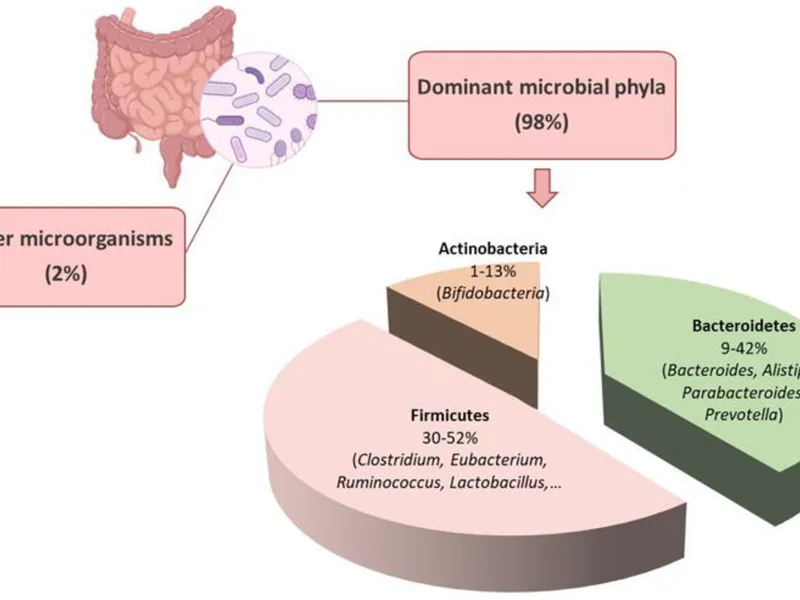
Scientists at the University of Cambridge tested 39 common sweeteners against 25 species of gut bacteria in the lab. About three-quarters of the sweeteners changed how at least one bacterial species grew, and effects got stronger — or weaker — when sweeteners were combined with medications, caffeine
July 23, 2026

Learn about safe skin tag removal in Kolkata, including causes, treatment options, recovery, risks, and when to consult a dermatologist.
May 20, 2026

Looking for corn removal in Kolkata? Learn about symptoms, causes, treatment options, recovery, and prevention tips for painful foot corns.
May 20, 2026