

Emergency & Help
24/7 Emergency & General Advisory
🚨 24/7 Medical Emergency
Non-Emergency Advisory
10:00 AM – 6:00 PM, Mon–Sat
For appointments & general queries.
24/7 Emergency & General Advisory
🚨 24/7 Medical Emergency
Non-Emergency Advisory
10:00 AM – 6:00 PM, Mon–Sat
For appointments & general queries.
Discover advanced heart disease treatments available in Lohardaga. Learn about diagnostics, therapies, and expert care options for cardiac health.
Cardiovascular conditions present a major public wellness issue globally, and the Lohardaga region faces similar challenges. Many individuals express concern about their own cardiovascular well-being, particularly with advancing age or a family history of such ailments.
For preserving optimal circulatory function, comprehending the diverse local treatment strategies is essential. Based on established medical protocols and local healthcare provisions, this guide clarifies the available care pathways for cardiac conditions within the town.
Managing a cardiovascular ailment can be genuinely challenging, impacting daily life and overall peace of mind. Early diagnosis and prompt medical action demonstrably enhance patient prognoses.
Indeed, having specialized medical services readily available in one's community proves invaluable for handling long-term illnesses and addressing acute medical situations.
Accurate diagnosis forms the bedrock of effective therapy for cardiovascular ailments. Physicians in Lohardaga employ a range of diagnostic instruments to pinpoint the exact nature and severity of issues affecting the circulatory system. These investigations assist specialists in tailoring the most appropriate care plan.
A fundamental test, an ECG records the electrical activity of the heart. It helps detect abnormalities like arrhythmias (irregular heartbeats) or signs of a past or current myocardial infarction (heart attack). This painless procedure often serves as the initial step in a cardiovascular evaluation.
This is where most patients struggle.
This ultrasound of the heart provides detailed images of its structure and functionality. An echo assesses the size and thickness of the heart's chambers, the efficiency of its valves, and the pumping strength of the heart muscle. It is vital for diagnosing conditions such as heart failure and valvular abnormalities of the heart.
To evaluate how the heart performs under physical exertion, stress tests are conducted. Typically performed on a treadmill, this procedure monitors heart rate, blood pressure, and ECG readings as the patient walks.
It helps identify coronary artery disease (CAD) by revealing blockages that limit blood flow during increased demand. India has a high prevalence of CAD, with millions affected annually.
For a more precise view of the circulatory system's vessels, angiography is employed. A contrast dye is injected into the coronary arteries, and X-ray images are captured.
Often a precursor to angioplasty, this procedure clearly visualizes blockages or narrowing within the arteries. The Indian Heart Association recommends this for suspected significant CAD.
For many individuals in Lohardaga, medication forms a cornerstone of their management for cardiovascular conditions. These therapies aim to manage risk factors, improve heart function, and prevent complications. Based on the specific diagnosis, a cardiologist will prescribe a suitable regimen.
Hypertension (high blood pressure) constitutes a major likelihood factor for cardiovascular conditions. Medications such as ACE inhibitors, beta-blockers, and calcium channel blockers help lower blood pressure, thereby reducing strain on the heart.
Recovery is rarely linear.
impactful control is vital; uncontrolled hypertension affects over 200 million people in India (ICMR, 2022).
Statins are commonly prescribed to reduce levels of LDL ('bad') cholesterol, which slows the progression of atherosclerosis (plaque buildup in arteries). High cholesterol is a pervasive issue; studies indicate a major portion of the Indian population experiences dyslipidemia.
Drugs such as aspirin or clopidogrel (antiplatelets) and warfarin (anticoagulants) prevent the formation or growth of blood clots. These are crucial for individuals with a history of myocardial infarction, stroke, or conditions like atrial fibrillation. Circulatory clots are a leading cause of acute cardiovascular events.
For those affected by heart failure, diuretics, ACE inhibitors, beta-blockers, and other specialized drugs assist manage fluid retention, strengthen pumping efficiency, and reduce hospitalizations. The prevalence of this condition is substantial, impacting millions across India.
When lifestyle modifications and medications prove insufficient, interventional cardiology offers minimally invasive procedures to address blockages and structural issues.
A key procedure performed in Lohardaga for blocked coronary arteries is angioplasty. A thin tube (catheter) with a balloon is guided to the narrowed artery. Inflating the balloon widens the vessel, and a small mesh tube (stent) is often placed to keep it open.
Recovery is rarely linear.
This approach has dramatically improved outcomes following a myocardial infarction. It represents a proven therapy for acute heart attack.
For severe arrhythmias or heart failure, pacemakers can regulate slow heartbeats. Additionally, implantable cardioverter-defibrillators (ICDs) can deliver shocks to correct life-threatening fast rhythms. These devices significantly enhance the quality of life for affected individuals. Thousands undergo these life-saving procedures annually.
In cases of complex or severe cardiovascular disease, open-heart surgery may become necessary. While not all facilities in Lohardaga may offer the full spectrum, referrals to specialized cardiac centers are common.
Often referred to as bypass surgery, this procedure utilizes healthy blood vessels from other parts of the body to create new pathways around blocked coronary arteries. It is a highly powerful approach for extensive CAD. Success rates are high when performed by experienced surgical teams.
Damaged heart valves can be repaired or replaced with artificial or biological valves. This surgery is vital for restoring proper blood flow through the heart. The World Health Organization (WHO) emphasizes the importance of timely valve intervention.
And yet, so many people miss it.
The journey does not conclude with approach. Rehabilitation and sustained lifestyle modifications are vital for recovery and long-term cardiovascular well-being. This support is available for people in Lohardaga.
These programs combine supervised exercise, education on diet and stress management, and emotional support. They are designed to enable individuals recover safely and regain strength after a cardiovascular event or surgery. Numerous studies, including those published in The Lancet, underscore the benefits of such rehabilitation.
Adopting an eating plan low in saturated fats, sodium, and added sugars is paramount for a healthy heart. Emphasizing fruits, vegetables, whole grains, and lean proteins supports cardiovascular function. Many find that understanding local produce benefits their dietary choices.
Consistent, moderate exercise strengthens the heart muscle and improves circulation. Aiming for at least 150 minutes of aerobic activity per week, as recommended by the American Heart Association (AHA), is beneficial. Starting slowly and gradually increasing intensity is key.
It sounds simple. It rarely is.
Chronic stress negatively impacts cardiovascular well-being. Techniques such as mindfulness, yoga, and adequate sleep are crucial for managing stress levels. Finding healthy coping mechanisms holds importance equal to medical therapy.
Accessing specialized care has become simpler. Lohardaga boasts a growing network of cardiologists and centers dedicated to cardiovascular care.
Many city hospitals, you will find, are equipped with advanced technology for diagnosis and intervention. Local primary care physicians can provide referrals to cardiologists, ensuring a smooth transition to specialized cardiovascular care. It is always best to discuss concerns with a trusted local doctor first.
The Indian Council of Medical Research (ICMR) continuously works towards improving access to cardiovascular care across the nation, including in smaller towns like Lohardaga. This includes promoting awareness and supporting healthcare infrastructure development.
Telemedicine increasingly plays a role, enabling remote consultations with specialists. This assists individuals in Lohardaga who might find travel challenging. Such technology bridges geographical gaps, offering timely advice.
Recovery is rarely linear.
What does this mean for sufferers? It indicates that advanced cardiovascular care is becoming more accessible, even outside major metropolitan hubs. Early detection and consistent management serve as individuals' strongest allies.
Why do these conditions develop? Cardiovascular ailments often emerge over years due to a combination of genetic predisposition and lifestyle factors like diet, smoking, and lack of exercise. Understanding these root causes empowers individuals to make proactive changes.
Yes, rice consumption is generally permissible, but moderation is key, especially for individuals with diabetes or hypertension, which are often linked to cardiovascular ailments. Opt for brown rice over white rice when possible, as it contains more fiber.
Controlling portion sizes is crucial to manage carbohydrate intake and overall calorie consumption.
typical signs include chest pain or discomfort (pressure, squeezing, fullness), pain radiating to the arms, neck, jaw, or back, shortness of breath, and cold sweats. Nausea, vomiting, or lightheadedness can also occur. Promptly seek emergency medical aid if these symptoms arise.
It sounds simple. It rarely is.
The frequency of visits depends on your specific issue and the cardiologist's recommendation. Stable sufferers might visit every 6-12 months, while those with recent events or complex conditions may need more frequent check-ups, perhaps every 1-3 months. Always follow your doctor's advice on follow-up care.
No, bypass surgery is not always necessary. care depends on the number, location, and severity of blockages, as well as the patient's overall well-being. Angioplasty with stenting is often an powerful alternative for less complex cases, while medication and lifestyle changes are the first line of approach for mild conditions.
Always consult a qualified physician before making medical decisions.
Visit Hospital
Near You
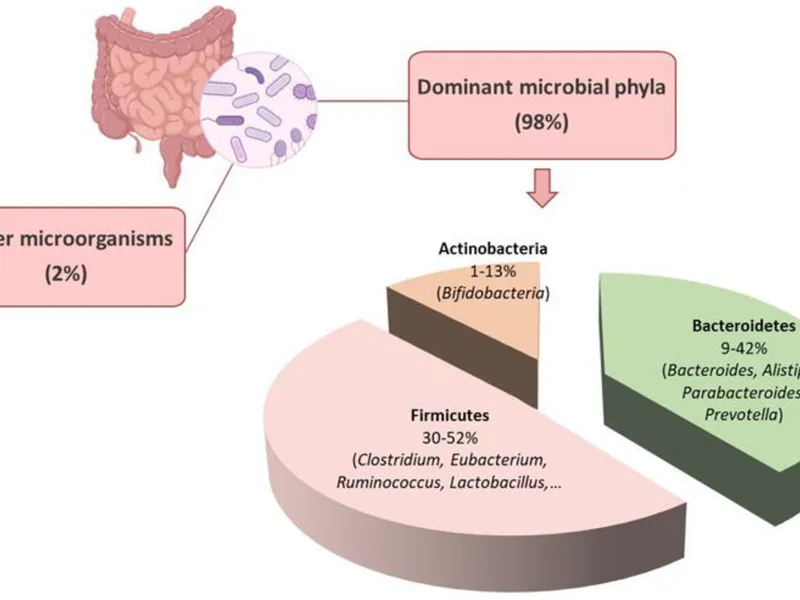
Scientists at the University of Cambridge tested 39 common sweeteners against 25 species of gut bacteria in the lab. About three-quarters of the sweeteners changed how at least one bacterial species grew, and effects got stronger — or weaker — when sweeteners were combined with medications, caffeine
July 23, 2026

Learn about safe skin tag removal in Kolkata, including causes, treatment options, recovery, risks, and when to consult a dermatologist.
May 20, 2026
Looking for corn removal in Kolkata? Learn about symptoms, causes, treatment options, recovery, and prevention tips for painful foot corns.
May 20, 2026