

Emergency & Help
24/7 Emergency & General Advisory
🚨 24/7 Medical Emergency
Non-Emergency Advisory
10:00 AM – 6:00 PM, Mon–Sat
For appointments & general queries.
24/7 Emergency & General Advisory
🚨 24/7 Medical Emergency
Non-Emergency Advisory
10:00 AM – 6:00 PM, Mon–Sat
For appointments & general queries.
Find a trusted heart specialist (cardiologist) in Pakur for expert diagnosis, treatment, and prevention of heart diseases. Learn about symptoms and when to seek care.
For our heart health, finding the right specialist is crucial. In Pakur, locating a skilled heart specialist doctor (cardiologist) ensures you receive expert care for many kinds of cardiovascular conditions. These physicians are dedicated to diagnosing, treating, and preventing diseases affecting your heart and blood vessels.
Many of us experience anxiety about heart health. The reality is, cardiovascular diseases remain a leading cause of mortality globally, including in India. The Indian Heart Association reports that heart disease can affect people at younger ages than previously thought. This makes proactive cardiac care vital.
Recognizing the signs of potential heart problems is the first step towards seeking timely medical attention. Some common indicators warranting a consultation with a cardiologist include:
Think about it this way: your heart works tirelessly every second. When it signals distress through these signs, it’s like a car's warning light – you wouldn't ignore it. Early detection and intervention can significantly improve outcomes.
Chest pain is perhaps the most recognized symptom associated with heart issues, but it can manifest in various ways. It might feel like a squeezing, tightness, or heaviness in the chest. Sometimes, this pain can radiate to the arms (often the left), neck, jaw, or back.
That alone changes everything.
How serious is this really? While not all chest pain indicates a heart attack, it should never be dismissed. Immediate medical evaluation is essential to rule out serious cardiac events like myocardial infarction (heart attack).
Beyond chest discomfort, other vital signs deserve attention. Persistent shortness of breath, particularly when it appears without strenuous activity, suggests the heart may not be pumping blood efficiently. Palpitations, where you feel your heart beating too fast, too hard, or irregularly, are also key indicators.
In real-world terms, these sensations can be alarming and disrupt daily life. Swelling in the lower extremities, often termed peripheral edema, can signal fluid buildup due to heart failure.
A cardiologist is a physician with specialized training in diagnosing and managing heart and blood vessel diseases. Their expertise covers conditions such as coronary artery disease, heart failure, arrhythmias (abnormal heart rhythms), valvular heart disease, and congenital heart defects.
To accurately diagnose conditions, specialists employ a range of diagnostic tools. These include:
Practically speaking, these tests provide a detailed picture of your heart's health. They enable the doctor to pinpoint the exact problem and tailor the most effective treatment plan.
Once a diagnosis is confirmed, the heart specialist will discuss various management options. These can range from lifestyle modifications and medications to minimally invasive procedures and surgery.
The goal of therapy is always to manage symptoms, prevent future cardiac events, and optimise the overall quality of life for those affected.
Locating a reputable heart specialist doctor in Pakur involves a few key steps. Start by asking for referrals from your primary care physician or local clinics. Online health platforms and directories can also provide lists of specialists in the area, often with patient reviews and qualifications.
And yet, so many people miss it.
Consider the following when choosing a specialist:
Living with a heart disorder can be genuinely hard, and having a trusted physician makes a considerable difference. Many of us have seen loved ones benefit from the dedicated care of skilled cardiologists.
Preventive cardiology focuses on reducing the possibility of developing heart disease in the first place. This involves managing likelihood factors like high blood pressure (hypertension), high cholesterol, diabetes, obesity, and a sedentary lifestyle.
According to the World Health Organization (WHO), regular physical activity can reduce the danger of heart disease by up to 30%. Simple actions like maintaining a healthy weight and eating a balanced diet (rich in fruits, vegetables, and whole grains) are incredibly impactful.
What's the bottom line here? Proactive management of possibility factors is as vital as treating existing conditions. A heart specialist can guide you through creating a personalized prevention strategy.
Cardiologists manage a spectrum of heart ailments. Key conditions include:
Understanding these conditions empowers sufferers to take a more active role in their care. Early diagnosis and appropriate therapy can significantly boost long-term health outcomes.
Regular cardiac check-ups are essential, especially for individuals with a family history of heart disease or existing danger factors. These visits allow your doctor to monitor your heart health, screen for potential problems, and adjust your care or prevention plan as needed.
Most people overlook this completely.
Think of it like servicing your car regularly – it prevents major breakdowns. The American Heart Association (AHA) recommends regular screenings for blood pressure and cholesterol levels starting from a young age.
Don't wait for warning signs to appear. Proactive engagement with your healthcare provider is the most reliable way to maintain a healthy heart. A qualified heart specialist doctor in Pakur is your partner in achieving and sustaining cardiovascular wellness.
Key Takeaways:
Moderation is key. While rice can be part of a diabetic and heart-healthy diet, portion control is crucial. Opt for brown rice over white rice when possible, as it has more fiber. Always consult your doctor or a dietitian for personalized dietary advice based on your specific problem and blood sugar control.
The frequency of visits depends on your individual health status and any diagnosed heart conditions. If you have a known heart problem, your cardiologist will recommend a specific follow-up schedule, which might range from every few months to annually.
This is where most sufferers struggle.
For general preventive care or if you have marked likelihood factors, an annual check-up is often advised.
The most widespread sign is chest pain or discomfort, which may feel like pressure, squeezing, or fullness. Other indicators can include pain or discomfort in one or both arms, the back, neck, jaw, or stomach.
You might also experience shortness of breath, cold sweats, nausea, or lightheadedness. If you suspect a heart attack, seek emergency medical help immediately.
While meaningful heart damage may not be fully reversible, the progression of many heart conditions, particularly coronary artery disease, can often be halted or even improved with aggressive lifestyle changes and medical care. Factors like diet, exercise, weight management, and controlling blood pressure and cholesterol play a vital role in managing and potentially reversing some aspects of heart disease.
Always consult a qualified physician before making medical decisions.Visit Hospital
Near You
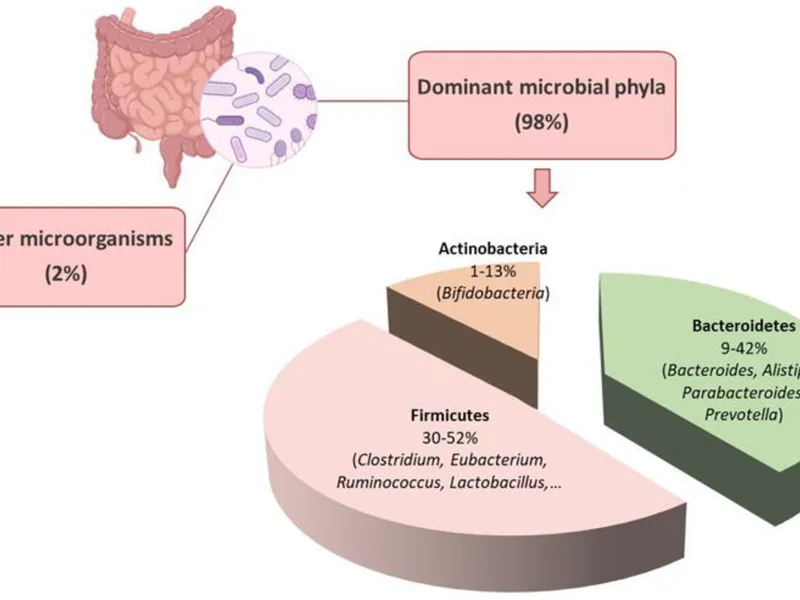
Scientists at the University of Cambridge tested 39 common sweeteners against 25 species of gut bacteria in the lab. About three-quarters of the sweeteners changed how at least one bacterial species grew, and effects got stronger — or weaker — when sweeteners were combined with medications, caffeine
July 23, 2026

Learn about safe skin tag removal in Kolkata, including causes, treatment options, recovery, risks, and when to consult a dermatologist.
May 20, 2026

Looking for corn removal in Kolkata? Learn about symptoms, causes, treatment options, recovery, and prevention tips for painful foot corns.
May 20, 2026