

Emergency & Help
24/7 Emergency & General Advisory
🚨 24/7 Medical Emergency
Non-Emergency Advisory
10:00 AM – 6:00 PM, Mon–Sat
For appointments & general queries.
24/7 Emergency & General Advisory
🚨 24/7 Medical Emergency
Non-Emergency Advisory
10:00 AM – 6:00 PM, Mon–Sat
For appointments & general queries.
Discover effective Irritable Bowel Syndrome (IBS) treatments available in Chhapra. Get expert medical advice and find relief.
Irritable Bowel Syndrome, widely recognized as IBS, represents a prevalent gastrointestinal condition impacting millions across the globe. This disorder primarily affects the large intestine, resulting in various uncomfortable manifestations.
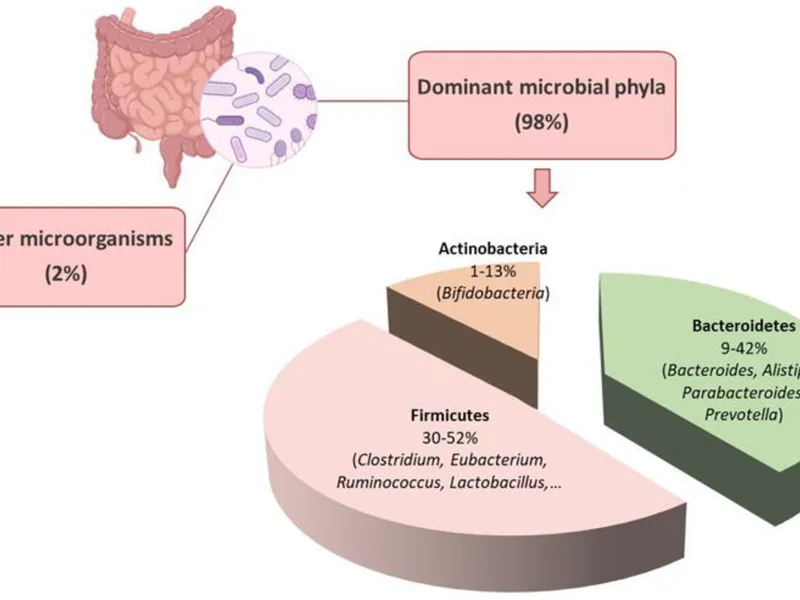
Crucially, many individuals overlook that IBS is a chronic ailment, demanding sustained care and attention rather than a rapid remedy. While the precise etiology often eludes discovery, several elements contribute significantly, including the intricate gut-brain axis (the bidirectional communication between the central nervous system and the enteric nervous system), irregular muscular contractions within the digestive tract, and the composition of intestinal bacteria.
Experiencing life with IBS presents considerable challenges. The unpredictable character of its indications frequently disrupts daily routines, impacting professional responsibilities, social engagements, and general wellness.
Healthcare providers in Chhapra frequently observe individuals grappling with the embarrassment and physical discomfort linked to this disorder.
Identifying the specific indications of IBS constitutes the initial stride towards efficacious care. Since these indicators can differ markedly from person to person, a tailored therapeutic strategy becomes essential. Among the most prevalent manifestations are:
This is where most patients struggle.
These manifestations can span from minor irritations to profound disruptions. Ascertaining a diagnosis of IBS can prove difficult, as its indicators frequently coincide with those of other gastrointestinal ailments. Consequently, a comprehensive diagnostic assessment by a qualified medical professional is indispensable.
The diagnostic procedure for IBS within the Chhapra region typically encompasses a thorough medical history review and a physical examination. Clinicians will meticulously inquire about an individual's manifestations, their periodicity, and any potential precipitants. It is important to understand that no singular test definitively confirms IBS. Instead, medical practitioners systematically exclude other conditions presenting with analogous indicators, such as inflammatory bowel disease (IBD) or celiac disease.
This investigative approach frequently includes blood analyses, stool specimen evaluations, and occasionally imaging assessments like a colonoscopy, particularly when concerning "red flag" indicators emerge. Such warning signs may comprise unintentional weight reduction, rectal hemorrhage, or the onset of manifestations after the age of 50. AIIMS, a prominent medical establishment, underscores the necessity of a meticulous diagnostic protocol to guarantee precise identification.
Effective therapeutic strategies for IBS in Chhapra concentrate on alleviating manifestations and enhancing the quality of life for affected individuals. A multifaceted approach is frequently necessary, integrating lifestyle adjustments, dietary modifications, and, at times, pharmacological interventions.
Most people overlook this completely.
The primary objective involves identifying the most suitable combination tailored to an individual's unique requirements.
Nutrition plays a pivotal role in addressing IBS. Although no singular dietary regimen universally suits all individuals with IBS, specific food categories can provoke manifestations. A frequently advised strategy is the Low-FODMAP diet.
This methodology entails a temporary restriction of foods rich in Fermentable Oligosaccharides, Disaccharides, Monosaccharides, and Polyols (FODMAPs are specific types of carbohydrates that are poorly absorbed in the small intestine). These carbohydrates, when poorly absorbed in the digestive tract, can lead to gas, abdominal distension, and discomfort. Illustrative high-FODMAP foods encompass particular fruits (such as apples and pears), vegetables (like onions and garlic), dairy items, and wheat.
Adhering to a Low-FODMAP diet necessitates meticulous planning and frequently benefits from the expertise of a registered dietitian. Subsequent to the initial restrictive period, food items are progressively reintroduced to pinpoint specific trigger substances. For numerous individuals, identifying these dietary triggers can substantially diminish the intensity of their manifestations.
Observations indicate that straightforward substitutions, such as selecting lactose-free dairy or preferring rice instead of wheat for certain meals, can yield considerable improvements. The Indian Council of Medical Research (ICMR) similarly underscores the significance of comprehending individual physiological responses to diet.
That's the part worth remembering.
In addition to dietary considerations, modifications to one's lifestyle are crucial for bolstering intestinal health and addressing IBS. Consistent physical activity demonstrably assists in regulating digestive function and mitigating stress, which is a recognized precipitant of IBS. Endeavoring to achieve a minimum of 30 minutes of moderate physical exertion on most days of the week can prove advantageous.
Stress reduction methodologies, including yoga, meditation, or diaphragmatic breathing exercises, can also markedly contribute to soothing the gut-brain connection. Allocating moments for relaxation, perhaps enjoying a tranquil cup of chai in the evening or taking a brief post-dinner stroll, can be remarkably impactful.
Should lifestyle alterations and dietary adjustments prove insufficient, medical practitioners might prescribe pharmacological agents to address particular IBS manifestations. Such treatments may encompass antispasmodics (medications that reduce muscle spasms) to alleviate cramping, laxatives for managing constipation, or anti-diarrheal compounds.
In certain cases, antidepressants, especially when administered at low dosages, can aid in pain control and modulate intestinal function by influencing neural signaling within the digestive tract. The World Health Organization (WHO) guidelines recommend that these pharmaceutical interventions be employed under stringent medical oversight.
And yet, so many people miss it.
Psychological interventions, such as Cognitive Behavioral Therapy (CBT), are also demonstrating considerable efficacy. CBT assists individuals in cultivating coping mechanisms for dealing with stress and the emotional repercussions of enduring illness.
This therapy enables people to modify their cognitive frameworks and behavioral responses linked to their physical discomforts.
Residents in Chhapra seeking alleviation from IBS will find that engaging with expert specialists is paramount. Gastroenterologists represent the foremost medical professionals proficient in diagnosing and overseeing intricate digestive conditions.
These experts can furnish a customized treatment regimen specifically adapted to an individual's distinct presentation. It is advisable not to delay in seeking professional assistance, as prompt intervention can preclude the exacerbation of manifestations.
Numerous healthcare establishments throughout Chhapra provide consultations with seasoned gastroenterologists. These specialists possess a deep comprehension of the complexities of IBS and are equipped to navigate individuals through the array of available therapeutic choices.
That alone changes everything.
They collaborate with those affected to formulate a dependable care strategy, thereby ensuring ongoing assistance.
Although IBS undeniably poses difficulties, it need not dictate an individual's existence. Through an appropriate strategy for therapy and oversight, a satisfying life remains entirely attainable. It is imperative to recall that patience and perseverance serve as crucial partners.
Modest, consistent adjustments frequently produce the most substantial outcomes. Individuals should adopt a proactive stance regarding their digestive well-being and recognize the profound impact of seeking assistance from medical experts and personal support networks. The path towards enhanced intestinal health is indeed within reach.
Always consult a qualified physician before making any medical decisions.
For individuals diagnosed with diabetes, careful regulation of rice consumption is paramount. Although rice can be incorporated into a diabetic diet, judicious portion control and the selection of brown or whole-grain variants are advised.
These particular types exhibit a lower glycemic index, indicating they induce a more gradual elevation in blood glucose levels when contrasted with white rice.
Primary precipitants for IBS frequently involve specific foods (such as those rich in FODMAPs), psychological stress, hormonal fluctuations, and even infections. The identification of individual triggers through a detailed food diary and careful tracking of manifestations constitutes a crucial stage in the proven oversight of the problem.
That alone changes everything.
At present, no definitive cure for IBS has been identified. Nevertheless, it stands as a problem amenable to regulation.
By employing a combination of dietary modifications, lifestyle adaptations, stress reduction techniques, and occasionally pharmacological interventions, the majority of individuals can substantially control their manifestations and enhance their overall quality of life.
Alleviating bloating associated with IBS frequently entails dietary adjustments, including the reduction of gas-generating foods and adherence to a low-FODMAP diet when advised. Mild physical activity, stress-mitigation strategies, and non-prescription treatments such as simethicone may also offer respite.
Persistent abdominal distension should always be discussed with a medical practitioner.
Visit Hospital
Near You
Scientists at the University of Cambridge tested 39 common sweeteners against 25 species of gut bacteria in the lab. About three-quarters of the sweeteners changed how at least one bacterial species grew, and effects got stronger — or weaker — when sweeteners were combined with medications, caffeine
July 23, 2026

Learn about safe skin tag removal in Kolkata, including causes, treatment options, recovery, risks, and when to consult a dermatologist.
May 20, 2026

Looking for corn removal in Kolkata? Learn about symptoms, causes, treatment options, recovery, and prevention tips for painful foot corns.
May 20, 2026