

Emergency & Help
24/7 Emergency & General Advisory
🚨 24/7 Medical Emergency
Non-Emergency Advisory
10:00 AM – 6:00 PM, Mon–Sat
For appointments & general queries.
24/7 Emergency & General Advisory
🚨 24/7 Medical Emergency
Non-Emergency Advisory
10:00 AM – 6:00 PM, Mon–Sat
For appointments & general queries.
Discover effective Irritable Bowel Syndrome (IBS) treatments available in Simdega. Expert advice, dietary changes, and medical therapies for relief.
Irritable Bowel Syndrome, or IBS, is a common disorder affecting the large intestine. It causes cramping, abdominal pain, bloating, gas, diarrhea, or constipation (or both). The reality is, IBS can significantly impact daily life, often leading to distress and discomfort for those affected.
What most people miss is that IBS is not a disease itself, but rather a functional gastrointestinal disorder. This means the gut doesn't work properly, but there are no visible signs of damage or disease in the digestive tract. Statistics from the Indian Society of Gastroenterology suggest that up to 15-20% of the Indian population may experience IBS symptoms at some point.
The signs of IBS vary greatly among individuals. Some prevalent indicators include:
Living with these persistent indicators is genuinely hard. The unpredictability of warning signs can make planning daily activities, like attending work or social events in Simdega, a significant challenge. How serious is this really? For many, it's a daily struggle to manage discomfort and maintain a semblance of normalcy.
Accurate diagnosis is the first crucial step towards effective management. Physicians in Simdega will typically:
It’s vital to remember that there isn't a single test to confirm IBS. Diagnosis relies heavily on symptom patterns and excluding other possibilities. The Indian Council of Medical Research (ICMR) emphasizes a thorough clinical evaluation.
And yet, so many people miss it.
Managing IBS involves a tailored approach, often combining lifestyle adjustments with medical therapies. Here’s a look at the proven strategies available:
Diet plays a vital role in managing IBS manifestations. A specialist might recommend:
Here's the thing — dietary changes are not a one-size-fits-all solution. What works for one person might not work for another. Careful observation and professional guidance are essential.
Beyond diet, several lifestyle adjustments can significantly boost gut health and alleviate IBS discomfort:
So what does that mean for you? Integrating these habits can lead to a substantial improvement in your quality of life.
When lifestyle and dietary changes aren't enough, physicians may prescribe medications to manage specific IBS warning signs:
Honestly, finding the right medication often requires patience and close collaboration with your doctor. The goal is targeted relief with minimal side effects.
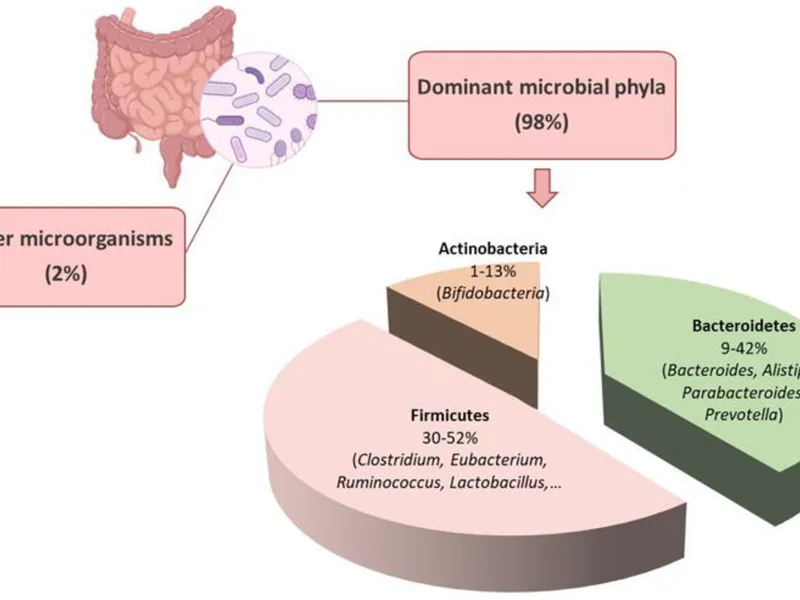
Emerging research highlights the role of the gut microbiome — the trillions of bacteria living in your digestive tract — in IBS. Probiotics, which are live beneficial bacteria, may benefit restore balance. Some strains have shown promise in reducing bloating and improving bowel regularity.
The World Health Organization (WHO) acknowledges their potential role, though more research is ongoing. It's important to discuss probiotic use with your physician to select the most appropriate strains for your needs.
For individuals in Simdega seeking expert IBS management, accessing qualified healthcare professionals is key. Look for:
Many healthcare facilities in and around Simdega offer these services. Don't hesitate to seek professional assist to manage your condition effectively. Remember, you are not alone in this journey.
While IBS presents challenges, it is a manageable concern. With the right combination of dietary adjustments, lifestyle changes, and medical support, many people find considerable relief and can lead fulfilling lives. Think of it like navigating the monsoon season in Jharkhand – there might be heavy downpours, but with preparation and the right shelter, you can get through it comfortably.
Embracing a proactive approach to your gut health is empowering. The journey to better digestive wellness begins with seeking knowledge and expert guidance.
For many individuals with IBS, plain white rice is often well-tolerated, especially those with IBS-D or IBS-M, as it is low in fermentable carbohydrates. However, preparation methods and added ingredients can influence tolerance.
That's the part worth remembering.
It's advisable to consume it in moderation and observe your body's response. Consulting with a dietitian familiar with Indian cuisine can provide personalized guidance.
Natural management of IBS bloating often involves dietary adjustments like reducing gas-producing foods (beans, certain vegetables) and potentially following a low-FODMAP diet under guidance. Regular physical activity aids digestion, and stress-reduction techniques such as deep breathing or meditation can significantly benefit by calming the gut-brain axis.
IBS is generally considered a chronic concern, meaning it can persist for a long time, often years. However, it is not progressive and does not lead to more severe diseases like IBD or cancer.
With consistent management strategies, including diet, lifestyle, and appropriate medical care, most individuals can achieve meaningful symptom control and maintain a good quality of life.
frequent trigger foods vary but often include fatty or fried foods, spicy meals, caffeine (coffee, tea), alcohol, artificial sweeteners (sorbitol, xylitol), and carbonated beverages. For some, dairy products and gluten can also be problematic. Keeping a detailed food and symptom diary is the most reliable way to identify personal triggers.
Always consult a qualified physician before making medical decisions.Visit Hospital
Near You
Scientists at the University of Cambridge tested 39 common sweeteners against 25 species of gut bacteria in the lab. About three-quarters of the sweeteners changed how at least one bacterial species grew, and effects got stronger — or weaker — when sweeteners were combined with medications, caffeine
July 23, 2026

Learn about safe skin tag removal in Kolkata, including causes, treatment options, recovery, risks, and when to consult a dermatologist.
May 20, 2026

Looking for corn removal in Kolkata? Learn about symptoms, causes, treatment options, recovery, and prevention tips for painful foot corns.
May 20, 2026