

Emergency & Help
24/7 Emergency & General Advisory
🚨 24/7 Medical Emergency
Non-Emergency Advisory
10:00 AM – 6:00 PM, Mon–Sat
For appointments & general queries.
24/7 Emergency & General Advisory
🚨 24/7 Medical Emergency
Non-Emergency Advisory
10:00 AM – 6:00 PM, Mon–Sat
For appointments & general queries.
Explore kidney failure treatment options in Gopalganj. Learn about dialysis, transplant, and lifestyle changes from medical experts.
Renal impairment, also known as end-stage renal disease (ESRD), signifies a critical stage where the organs can no longer adequately filter waste products and excess fluid from the circulatory system. This condition profoundly impacts an individual's well-being, affecting everything from blood pressure regulation to red blood cell production.
Living with such a concern presents significant challenges, demanding substantial lifestyle adjustments and consistent medical attention. Fortunately, for residents in and around Gopalganj, access to specialized care and advanced treatment approaches is becoming increasingly available.
The kidneys are vital organs, roughly the size of a fist, performing essential functions. Should they cease to function, toxic substances accumulate within the body.
Many individuals take these crucial organs for granted until their function declines significantly. Early detection and prompt intervention are crucial for managing the progression of chronic kidney conditions and improving outcomes for those affected.
Understanding the root causes of renal dysfunction is the first step toward prevention and effective management. In India, and globally, the most common culprits are chronic ailments that damage these organs over time.
Most people overlook this completely.
Other contributing factors include long-term use of certain pain medications (NSAIDs), autoimmune conditions like lupus, and congenital abnormalities of the urinary system. Early recognition of these possibility factors enables proactive measures.
The indicators of renal dysfunction often develop gradually, making them easy to overlook in the early stages. As the issue progresses, warning signs become more pronounced. Paying attention to subtle changes can be lifesaving.
Should you experience any of these signs, especially if you have known likelihood factors like diabetes or hypertension, seeking medical evaluation is essential.
When these vital organs fail, the primary goal of care is to replace the lost function and manage complications. Several reliable intervention modalities are available, with the choice depending on the individual's clinical status, preferences, and the availability of resources.
Dialysis is a medical procedure that artificially performs the functions of the kidneys. It removes waste products and excess fluid from the blood when the organs can no longer do so effectively. This process acts as an external filter for the body.
Here's where it gets interesting.
This is the most frequent form of renal replacement therapy. It involves cleaning the blood through a specialized machine. A vascular access – typically an arteriovenous (AV) fistula or graft, or a central venous catheter – is created to allow blood to be drawn from the body, passed through a dialyzer (artificial organ), and returned.
Treatments are usually performed three times a week in a specialized center, lasting about 3-4 hours per session. Specialists meticulously monitor the process to ensure safety and efficacy. For patients in Gopalganj, access to well-equipped intervention centers is crucial.
This approach uses the body's own peritoneal membrane (the lining of the abdominal cavity) as a natural filter. A specialized solution is introduced into the abdomen through a catheter, dwells for a specific period to absorb waste and excess fluid, and is then drained out.
It can often be performed at home, offering greater flexibility. While less frequent than hemodialysis, it represents a viable option for many.
The World Health Organization (WHO) emphasizes the importance of patient education for successful management of this therapy. Understanding the procedure and adhering to dietary and fluid restrictions are key components.
That's the part worth remembering.
A renal transplant is a surgical procedure to place a healthy organ from a donor (living or deceased) into a person whose own organs have failed. It is considered the most successful long-term management for end-stage renal disease, offering the potential for a more normal lifestyle.
However, it requires lifelong immunosuppressive medication to prevent the body from rejecting the new organ.
Finding a suitable donor is a critical step. This can be a relative, a spouse, or even an unrelated altruistic donor.
The Indian government has established guidelines and regulatory bodies, like the NOTTO (National Organ and Tissue Transplant Organisation), to ensure ethical organ donation and transplantation practices. While transplant centers are concentrated in major cities, awareness and referral systems are improving even in regions like Gopalganj.
For some individuals, particularly the elderly or those with notable co-existing conditions, aggressive treatments like dialysis or transplant may not be suitable or desired. In such cases, conservative management focuses on alleviating manifestations, slowing disease progression, and maintaining the best possible quality of life without resorting to renal replacement therapy.
This approach involves close monitoring by physicians, managing fluid and electrolyte balance, controlling blood pressure, and treating associated ailments.
Regardless of the chosen therapy path, lifestyle changes are fundamental to managing chronic renal conditions. These adjustments help slow disease progression, prevent complications, and improve overall well-being.
Recovery is rarely linear.
These changes require commitment, but their impact is substantial. Support groups and counseling can provide valuable assistance.
While Gopalganj may not possess the extensive specialized facilities of a major metropolitan area, access to care for renal conditions is evolving. Several healthcare providers and diagnostic centers offer services for managing these conditions.
The Indian Council of Medical Research (ICMR) supports research and guidelines aimed at improving outcomes for renal conditions across India. Navigating the healthcare system can be challenging, but seeking information and support from healthcare providers is the first step.
The most proven strategy against renal dysfunction is prevention and early detection. By managing underlying conditions like diabetes and hypertension effectively, many individuals can significantly reduce their likelihood of developing severe organ impairment.
Regular health check-ups, especially for those with chance factors, are paramount. Simple urine and blood tests can reveal early signs of organ damage long before warning signs appear.
A proactive approach can preserve organ function for many years. The Lancet has published numerous studies highlighting the benefits of early intervention in CKD management.
Educating oneself and one's family about renal wellness empowers informed decisions. Promptly addressing any unusual health changes and maintaining open communication with your physician are vital components of proactive healthcare.
It sounds simple. It rarely is.
Renal impairment presents a formidable challenge, but it is not a definitive end. With timely diagnosis, appropriate care—whether dialysis, transplant, or conservative management—and dedicated lifestyle adjustments, affected individuals can lead fulfilling lives.
The medical community in Gopalganj and across India is continually working to enhance access to quality renal care. Embracing a positive outlook and actively participating in your therapy plan are powerful steps towards managing this concern effectively.
Always consult a qualified physician before making medical decisions.
Dietary recommendations for renal impairment are highly individualized and depend on the stage of the concern and whether you are on dialysis. While rice is a widespread staple, portion sizes and preparation methods may need adjustment.
It's crucial to consult with a renal dietitian to create a personalized meal plan that manages sodium, potassium, and phosphorus levels.
Early signs of renal impairment can be subtle and often include persistent fatigue, swelling in the legs or ankles, changes in urination frequency, and dry, itchy skin. Many people don't experience noticeable warning signs until the issue is advanced. Regular health check-ups are vital for detecting issues early.
That alone changes everything.
In many cases, the damage leading to renal impairment, particularly from chronic conditions like diabetes and hypertension, is progressive and irreversible. However, early-stage renal conditions can sometimes be managed or slowed down with appropriate approach and lifestyle changes.
care for established organ failure itself (like dialysis or transplant) aims to replace organ function, not reverse the underlying damage.
The cost of dialysis can vary depending on the facility and the specific type of care. Government schemes and health insurance often provide coverage for dialysis treatments.
It is advisable to inquire directly with local dialysis centers in Gopalganj and explore available financial assistance programs or government subsidies for ESRD sufferers.
Visit Hospital
Near You
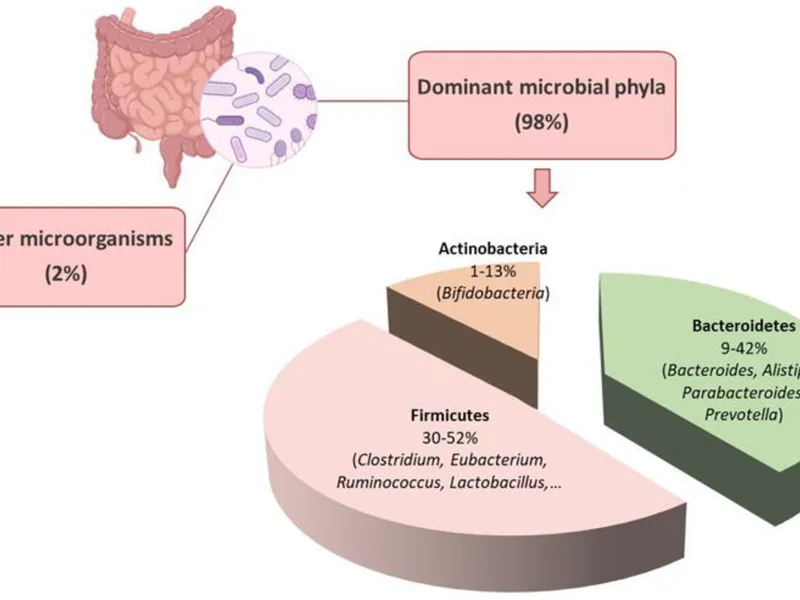
Scientists at the University of Cambridge tested 39 common sweeteners against 25 species of gut bacteria in the lab. About three-quarters of the sweeteners changed how at least one bacterial species grew, and effects got stronger — or weaker — when sweeteners were combined with medications, caffeine
July 23, 2026

Learn about safe skin tag removal in Kolkata, including causes, treatment options, recovery, risks, and when to consult a dermatologist.
May 20, 2026

Looking for corn removal in Kolkata? Learn about symptoms, causes, treatment options, recovery, and prevention tips for painful foot corns.
May 20, 2026