

Emergency & Help
24/7 Emergency & General Advisory
🚨 24/7 Medical Emergency
Non-Emergency Advisory
10:00 AM – 6:00 PM, Mon–Sat
For appointments & general queries.
24/7 Emergency & General Advisory
🚨 24/7 Medical Emergency
Non-Emergency Advisory
10:00 AM – 6:00 PM, Mon–Sat
For appointments & general queries.
Explore effective kidney stone treatments in Murshidabad. Learn about causes, symptoms, and when to seek specialist care for relief.
Renal calculi, commonly referred to as nephrolithiasis in clinical contexts, are solid mineral and salt deposits that develop within the kidneys. These formations are capable of causing significant pain and discomfort. Many individuals residing in areas such as Murshidabad often seek information regarding their prevalence and optimal management strategies.
Several elements, including dietary habits, climatic conditions, and genetic predispositions, significantly influence their development. A frequently overlooked aspect is that even small formations can lead to considerable distress if they migrate or obstruct the urinary pathway.
The occurrence rate of these calculi can be affected by environmental factors. In warmer climates, insufficient hydration is a frequent concern, which results in concentrated urinary output.
This increased concentration heightens the risk of calculus formation. Consequently, maintaining adequate fluid intake represents a crucial initial measure for both prevention and management.
Various factors contribute to the emergence of these deposits:
The defining symptom of a renal calculus is intense pain, frequently characterized as sharp and cramping. This discomfort typically originates in the side and back, beneath the ribs, and may extend to the lower abdomen and groin area.
The pain often manifests in waves as the calculus navigates through the urinary tract.
Coping with the discomfort associated with renal calculi presents considerable challenges. Therefore, prompt attention from a healthcare provider is essential once indicators appear.
Murshidabad provides a variety of effective therapies for renal calculi, designed to address different sizes and types of formations. Physicians often begin with conservative strategies for smaller calculi. These methods primarily aim to alleviate discomfort and facilitate the natural expulsion of the calculus.
And yet, so many people miss it.
For calculi measuring less than 5mm, healthcare practitioners frequently advise conservative management. This strategy encompasses:
This initial approach is frequently the first line of therapy, particularly in uncomplicated cases. Its objective is to support the body's inherent expulsion mechanism.
ESWL represents a non-invasive procedure that employs focused high-energy sound waves (shock waves) to fragment the calculus into smaller pieces. These smaller fragments can then be more readily passed during micturition.
ESWL is performed on an outpatient basis and generally does not necessitate anesthesia. It proves most powerful for calculi situated within the kidney or the upper portion of the ureter.
The procedure typically lasts approximately one hour. Following the therapy, some people might experience minor bruising or discomfort. Hospitals in Murshidabad that are equipped with advanced lithotripsy apparatuses offer this established method.
Ureteroscopy is a minimally invasive technique involving the insertion of a slender, flexible tube fitted with a camera (ureteroscope) through the urethra and bladder, advancing into the ureter. Upon locating the calculus, a laser fiber is employed to break it into minute fragments.
These pieces are then either easily expelled or retrieved using a small basket.
This methodology is highly impactful for calculi located within the ureter or directly inside the renal organ. Laser lithotripsy provides both precision and a high success rate. Many specialists in Murshidabad favor this approach due to its reliability and minimal recovery period.
It sounds simple. It rarely is.
PCNL is a surgical intervention reserved for larger or more intricate renal calculi. A small incision is made in the back, allowing a scope to be directly inserted into the kidney. The calculus is then fragmented and extracted. This method is exceptionally proven for formations exceeding 2 cm.
Although more invasive than ESWL or ureteroscopy, PCNL offers a high calculus-free rate for substantial concretions. Recovery typically involves a brief inpatient stay. Expert urologists in Murshidabad perform PCNL when alternative procedures are deemed unsuitable.
Open surgical intervention for renal calculi is now rarely performed. It is generally reserved for exceptionally large or complex formations where minimally invasive techniques have failed or are not technically feasible. This procedure entails a larger incision to gain direct access to and remove the calculus.
The choice of the most suitable therapeutic approach depends on several crucial factors:
Optimal outcomes are typically achieved when sufferers collaborate closely with their healthcare providers. Specialists at prominent healthcare facilities in Murshidabad are skilled in accurately diagnosing and effectively treating renal calculi.
That alone changes everything.
Prevention consistently surpasses the need for a cure. Implementing specific lifestyle modifications can considerably diminish the likelihood of calculus recurrence:
Undertaking these alterations may appear challenging, but they are fundamental for sustained renal well-being. Small, consistent endeavors yield substantial benefits.
Murshidabad is home to several experienced urologists and nephrologists who specialize in the management of renal calculi. These practitioners are affiliated with reputable hospitals and clinics, utilizing advanced diagnostic tools and therapeutic modalities.
When seeking care, it is advisable to look for specialists with expertise in minimally invasive procedures such as laser lithotripsy and ESWL. , 'Murshidabad Medical College and Hospital'] frequently host dedicated urology departments.
A timely consultation with a qualified specialist is paramount. Such professionals can precisely diagnose the condition and recommend the most appropriate therapy. Early intervention frequently leads to superior results and quicker recovery.
Navigating the intervention for renal calculi can be demanding, but with the correct approach and dedicated healthcare professionals available in Murshidabad, relief and long-term wellness are attainable. Continue striving for improved health!
And yet, so many people miss it.
Moderate consumption of tea and coffee might be acceptable for some individuals; however, a high intake could potentially increase the acidity of the urine. It is advisable to discuss specific dietary habits with your physician, as individual calculus types and physiological responses vary.
The most prevalent type of renal calculus is the calcium variety, specifically calcium oxalate. These form when calcium combines with oxalate within the urine. Dietary elements and hydration levels significantly influence their development.
The duration required for a renal calculus to pass varies considerably, depending on its size and location. Small formations (under 4mm) may pass within a few days to two weeks with adequate fluid intake. Larger formations can take much longer or may necessitate medical intervention.
While mild discomfort from very small formations likely to pass can be managed at home with hydration and over-the-counter pain relievers, severe pain, fever, or the presence of blood in the urine indicates an urgent need for professional healthcare. Home remedies alone are insufficient for substantial formations or associated complications.
Recovery is rarely linear.
Visit Hospital
Near You
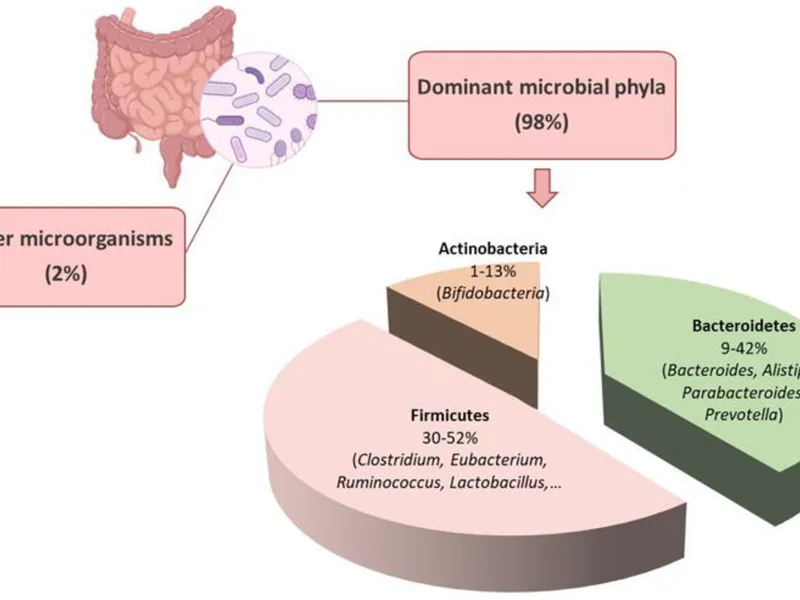
Scientists at the University of Cambridge tested 39 common sweeteners against 25 species of gut bacteria in the lab. About three-quarters of the sweeteners changed how at least one bacterial species grew, and effects got stronger — or weaker — when sweeteners were combined with medications, caffeine
July 23, 2026

Learn about safe skin tag removal in Kolkata, including causes, treatment options, recovery, risks, and when to consult a dermatologist.
May 20, 2026
Looking for corn removal in Kolkata? Learn about symptoms, causes, treatment options, recovery, and prevention tips for painful foot corns.
May 20, 2026